Abalone Shell
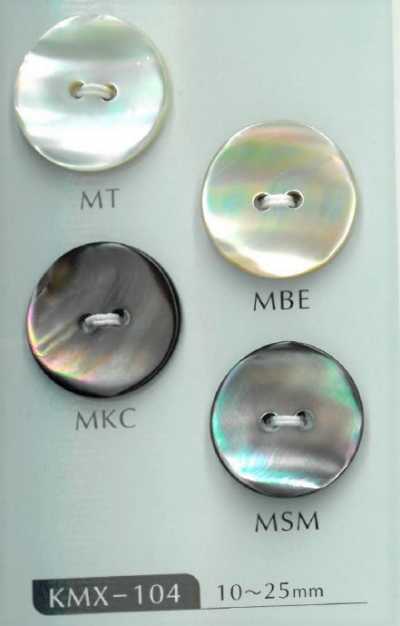
Abalone shell is a natural shell material made by processing abalone shells for shell buttons, and it is characterized by its iridescent luster and unique, individual variations.
Contents5 sections
Definition and Material Characteristics
Abalone shell is a natural material made by thinly processing abalone shells for use. Its mother-of-pearl layer gives it a complex luster that can include blue, green, and purple tones, and its decorative characteristic is that it is difficult to achieve the same color tone or pattern consistently. For buttons, it is also called abalone or abalone shell.
Because it is shell-derived, it is not a material whose color and pattern can be managed uniformly like resin buttons. There are individual differences in thickness, luster, and mottling, so it is suited to uses that make use of the unevenness characteristic of natural materials as part of the product design.
Button Construction and Size
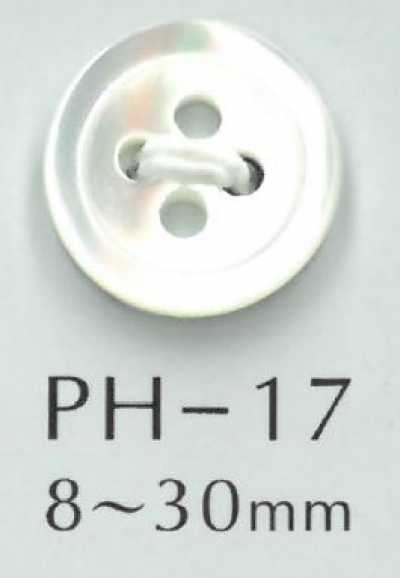
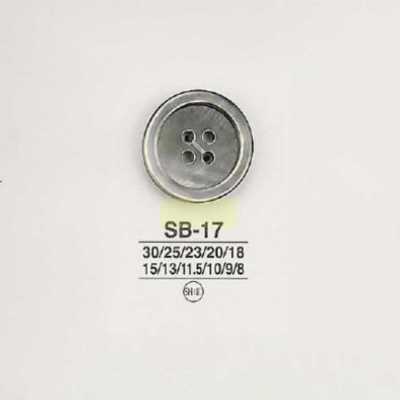
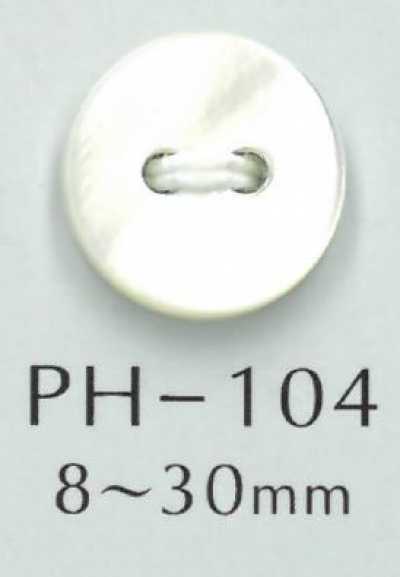
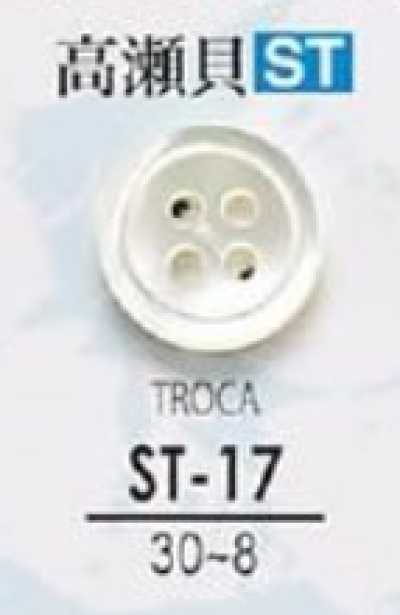
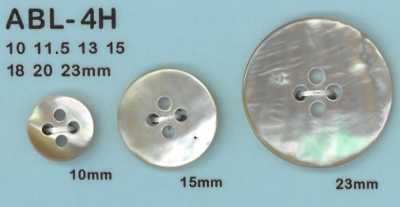
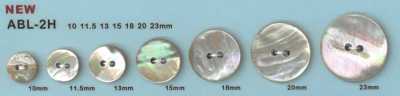
Abalone shell buttons are available in two-hole and four-hole specifications with holes on the surface. Because they are sewn on by passing thread through the flat button face, they are also used for shirts, blouses, and other garments made from light to medium-weight fabrics. Shank specifications have a structure in which thread is passed through a shank on the back of the button, making them suitable for thicker fabrics and designs that call for a more three-dimensional look.
Button size is shown by diameter in mm, and is also expressed in lignes. Lignes are a conventional unit for buttons, and when ordering, it is important to confirm not only the listed unit but also the actual diameter, thickness, hole diameter, and hole spacing in the specification sheet.
- Two-hole and four-hole: A specification in which thread is passed through the holes on the surface.
- Shank: A specification in which thread is passed through the shank on the back.
- Ligne and mm: Since size notation may be mixed, actual dimensions must be checked.
Main Applications
Taking advantage of its natural luster, it is used for shirt fronts, blouses, dresses, cardigans, and the front openings and cuffs of light garments. It is used where the material texture should stand out, from casual styles to resort-style clothing and decorative accents in women's apparel.
When selecting buttons, it is important to check not only the color of the garment fabric, but also how it appears under different lighting and how it harmonizes with other trims. Because natural materials vary in color, mass production should assume differences in appearance from product to product, and the variation in color tone and pattern should be checked in advance with actual samples.
Attachment and Handling Precautions
For holed abalone shell buttons, do not tighten the thread too much; if necessary, make a thread shank to leave a slight gap between the button and the fabric. If the fabric's force continues to act directly on the button, it may cause cracking or chipping. For light fabrics, a backing button may also be attached on the reverse side to reinforce the sewn area.
Because shell can crack from impact, care should be taken to avoid strong pressure during wear or washing, and contact with other hard trims. Resistance to washing, dry cleaning, and ironing varies depending on processing and specifications, so do not judge based only on the trim itself; conduct a preliminary test on the finished product and handle it according to the care label.
Do not apply the iron directly to the button; iron around it or use a pressing cloth. Long-term exposure to strong sunlight, heat, or chemicals may affect the luster and surface condition. Check for discoloration, peeling, and cracks before mass production and after washing tests.
Frequently Asked Questions
What is the difference between abalone shell buttons and general shell buttons?
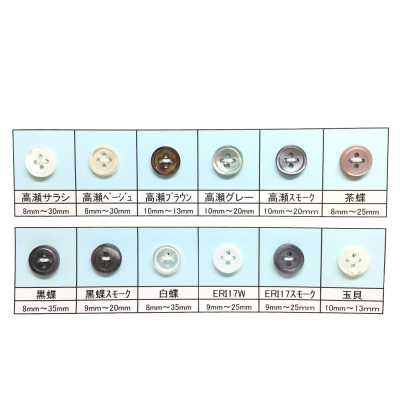
Abalone shell buttons are a type of shell button made from abalone shells. They are characterized by a variety of lustrous tones such as blue-green produced by the mother-of-pearl layer, but the color and pattern vary from piece to piece. Shell button is a general term for the material category and also includes trochus shell, mother of pearl shell, black mother of pearl shell, and others.
Can abalone shell buttons be machine washed at home?
Whether they can be washed depends on the thickness of the button, surface processing, sewing method, and the specifications of the garment as a whole. Because shell is vulnerable to impact, care is needed when using a washing machine, such as turning the garment inside out and placing it in a laundry net. Before mass production, confirm by washing test on the finished product.
What should I be careful about when ironing abalone shell buttons?
Avoid applying a hot iron directly to the button. This is because heat and pressure may change the surface condition or cause it to crack. Iron around the button, and if you need to work close to it, use a pressing cloth and keep the temperature and pressure low.