Compatible Textile Thickness
Compatible textile thickness refers to the range of thickness needed, with textile and auxiliary materials layered between the parts, so that hardware such as press fasteners and eyelets can be properly crimped and function correctly.
Contents6 sections
Definition and Overview
Compatible textile thickness is a specification that indicates the fabric thickness that allows hardware such as press fasteners, eyelets, and cap and close posts to be properly secured when attached. It is judged not simply by the thickness of the outer fabric, but by the total thickness at the area clamped by the hardware, including interfacing, facings, tape, and similar materials.
Even hardware of the same apparent size can have different compatible textile thicknesses if the leg length or component structure differs. Choosing a combination suited to the textile thickness is important for resistance to coming loose, ease of opening and closing, and stable finishing.
Component Combinations and Thickness
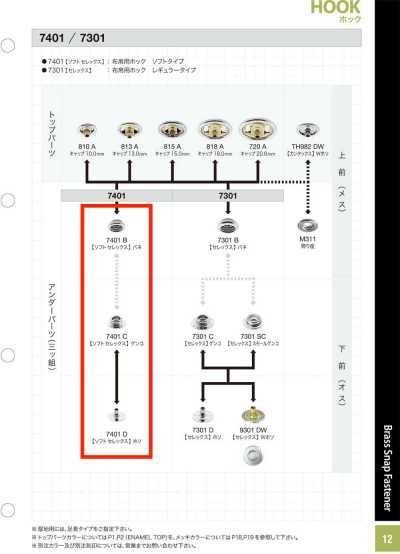
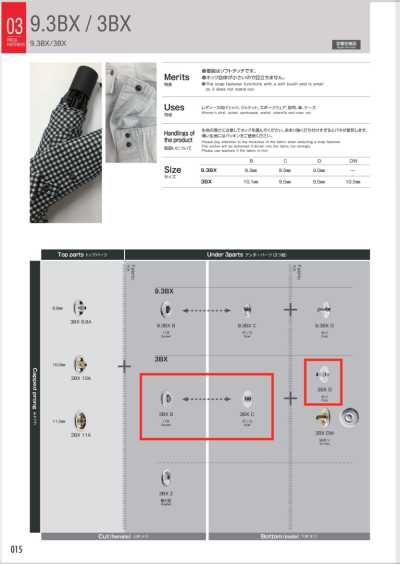
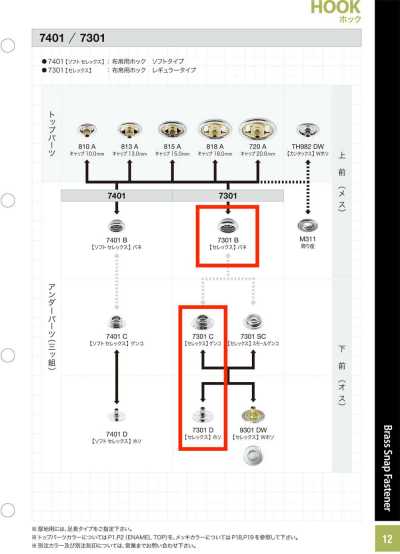
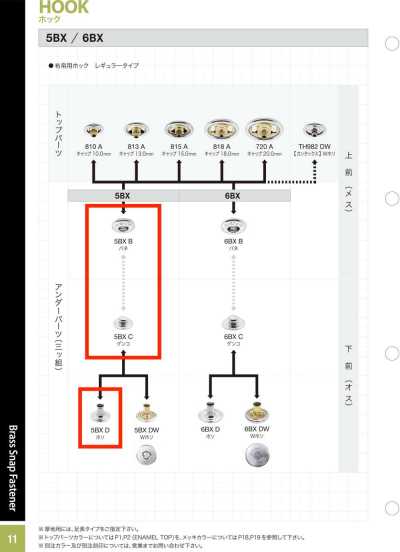
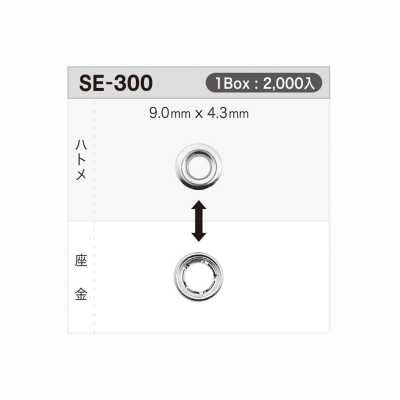
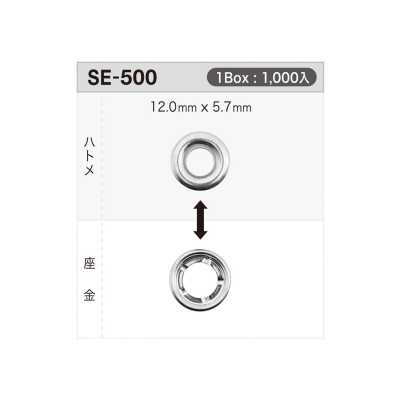
Press fasteners are generally used in combinations of the outer cap, spring or stud, and the receiving part. Eyelets may be used with the eyelet body and washer, and cap and close posts are also secured by crimping the front and back parts. As a rule, each part should be used in the specified combination.
Compatible textile thickness indicates the range in which the hardware leg can pass through the materials and deform into the proper shape after setting. If the leg is too short, crimping will be insufficient; if it is too long, the hardware is more likely to rise, wobble, or deform.
- Areas where the outer fabric and lining are layered
- Areas where interfacing or reinforcement fabric is applied
- Areas where tape, button seal, or reinforcement tape is inserted
- Areas that become locally thicker due to overlapping seam allowances
How Size Is Expressed and How to Check It
Compatible textile thickness is often expressed in millimeters, such as up to approx. how many millimeters, or around how many millimeters. This is a guideline for checking the material thickness at the attachment point before compression, not the thickness of the finished garment as a whole.
The thickness of materials changes depending on the pressure applied. For bulky materials such as brushed fabric, knit, or quilt materials, do not determine suitability by measurement alone; instead, test with the actual layered construction and check the crimped condition and opening/closing feel.
Attachment Method and Main Applications
For attachment, use a setting tool matched to the type and size of the hardware, and apply pressure with a hand press or foot-operated press machine. If the setting tool does not match, it can cause damage to the cap, deformation, poor crimping, or poor opening and closing, so the hardware and tool should be matched to the same specification.
Hardware used after checking compatible textile thickness is used for front openings, pockets, cuffs, collars, flaps, and bag openings. Choose a leg length for thin materials and a specification suited to thicker sections or heavily layered areas for thick materials.
Points to Note When Selecting
If the textile is thinner than the compatible range, problems such as the hardware rotating, coming off, or weak fastening may occur. It is possible to compensate for thickness with reinforcement fabric or button seal, but confirm in advance the combination with the specified hardware parts, surface marks, and condition after washing.
If it is thicker than the compatible range, the leg may not turn sufficiently, and the hardware may not be secured. Rather than forcing the thickness flat for attachment, consider parts with a longer leg or hardware with a different structure, and perform tensile and opening/closing tests on actual textile before mass production.
For metal hardware, attention is also needed for rust and discoloration caused by sweat, moisture, detergent, and similar factors. For items that touch the skin, check whether a nickel-free specification is required, and for products that need needle detection, also confirm whether the hardware is needle detector compatible.
Frequently Asked Questions
Should compatible textile thickness be measured using only the outer fabric?
No. Measure by layering all materials that the hardware actually clamps. Check the thickness at the attachment point, including the lining, interfacing, facings, tape, and reinforcement fabric. Areas where seam allowances overlap become locally thicker, so separate confirmation is needed.
If it is within the compatible textile thickness range, is a trial setting unnecessary?
A trial setting is necessary. The finished result changes depending on the compressibility of the textile, stretch, surface pile, whether interfacing is used, and the press pressure or condition of the setting tool. Use the same material composition as in actual production, and check hardware rotation, lifting, opening/closing feel, and whether it comes off under tensile force.
What should be done if the textile is too thin?
The basic solution is to switch to hardware for thin materials. If necessary, reinforcement fabric or button seal can be added to the back side, but this affects the hand feel, appearance, and washing durability. Confirm that the total thickness after reinforcement falls within the hardware's compatible range.