Carabiner
A carabiner is a ring-shaped fastening fitting with an opening and closing gate that allows tape, cord, keys, and similar items to be attached and detached, and is used as an accessory for clothing and bags.
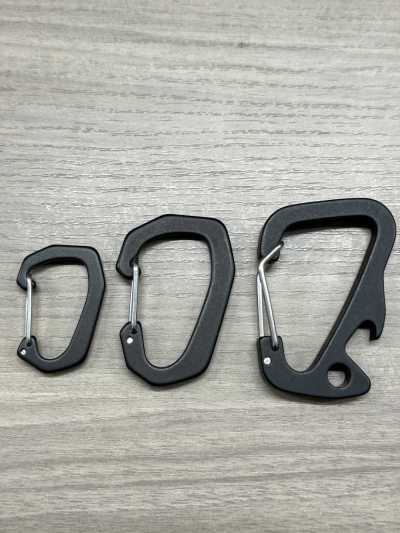
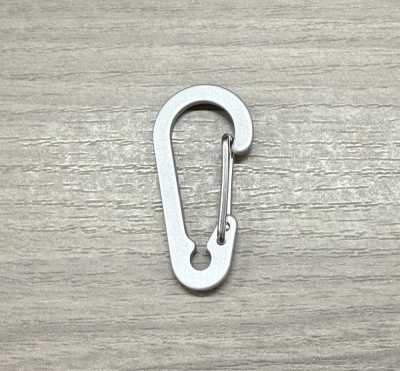
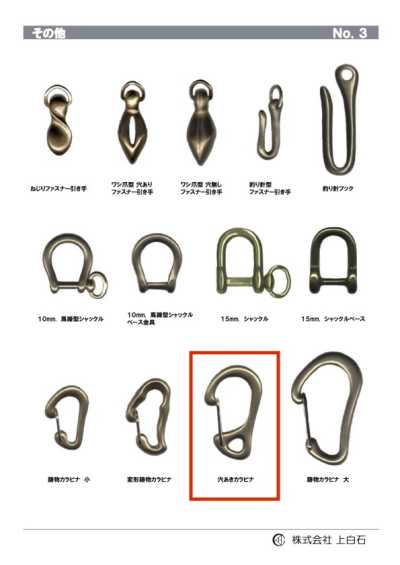
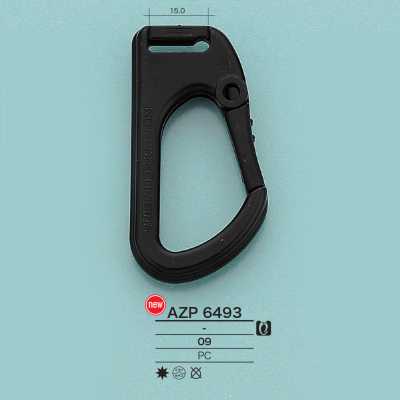
Contents6 sections
Definition and Overview
A carabiner is a fastening fitting with a movable gate on part of the body that opens when pressed, allowing tape, cord, rings, and similar items to be attached and connected. In apparel and clothing materials, it is used as an accessory for removal and hanging.
There are also carabiners used as safety equipment for mountaineering, but those distributed for clothing applications may mainly be intended for decoration or for holding small items. Depending on the application, it is important to distinguish and check the specifications for load resistance.
Materials and Construction
Materials include metals such as aluminum alloy, stainless steel, iron, and zinc alloy, as well as resins such as polyacetal. When lightness is a priority, aluminum alloy or resin is chosen; when corrosion resistance is a priority, stainless steel is an option.
The typical structure consists of a ring-shaped body and a gate that closes with spring force. In addition to round shapes, there are decorative shapes such as hearts and stars, and they are also used where an accessory-like appearance is desired.
- Aluminum alloy is lightweight, but care is needed regarding surface scratches and deformation.
- Iron and zinc alloy vary in appearance and corrosion resistance depending on the type of surface treatment.
- Resin products are lightweight, but the effects of heat, ultraviolet light, and repeated loading should be checked according to the application.
How Sizes Are Expressed
Carabiner size is generally indicated by the outer dimensions of the body. However, since the dimensions through which tape or rings can actually pass are determined by the inner dimensions, do not judge compatibility by outer dimensions alone.
When threading tape directly, check the inner width and the gate opening relative to the tape width to be inserted. The ease of threading also changes depending on the tape thickness, folded seam sections, and angle, so it is necessary to combine actual samples before mass production.
- Outer dimensions of the body: check the appearance and occupied dimensions when attached to the finished product.
- Inner dimensions: check the effective dimensions for tape, cord, and rings to fit in.
- Gate opening: check whether the part to be attached can be hooked on and removed.
- Tape width to be threaded: consider not only the tape width but also the thickness and folded sections.
Main Applications
In clothing, they are used for loops for pants and outerwear key holders, removable pouches, and connection points for cords. In bags, they are used for attaching and detaching shoulder straps, holding keys and small items, and as decorative accessories.
They are also attached to small items such as reel keys and used for hanging on bags or belt loops. Where loads are repeatedly applied during product use, design must take into account not only the body but also the tape, sewn sections, and the hardware on the mating side.
Selection and Precautions
When selecting, organize the application, expected load, opening and closing frequency, required inner dimensions, weight, and appearance. For applications involving heavy suspended objects or matters related to the body or safety, confirm whether performance indications such as load capacity meet the application requirements, and do not substitute decorative hardware for apparel use.
Metal products may develop rust, discoloration, or plating wear due to sweat, moisture, detergent, friction, and similar factors. For products that are washed, also check compatibility with the washing method, as well as color transfer to and scratching of other components.
For products that go through a needle inspection process, metal carabiners will respond to the metal detector. Before production, coordinate with the factory and inspection standards whether to make them removable or incorporate them into the metal detection operation.
- Check that the gate closes securely and is not likely to open unintentionally.
- Avoid use beyond the allowable load, impact loads, climbing, or fall-prevention applications.
- Design sewn sections and tape ends so they do not rub against the corners of the hardware when pulled.
- For plated products, check color tone, corrosion resistance, and appearance after wear through prototyping.
Frequently Asked Questions
Can apparel carabiners be used for mountaineering?
Apparel carabiners are intended for key holders, bag accessories, decoration, and similar uses. Do not use them for climbing, fall prevention, or body-support applications; select products with the safety specifications and performance indications required for those applications.
How do you choose the tape width to thread through a carabiner?
Check the inner dimensions of the body and the gate opening, and consider the tape thickness in addition to the tape width, as well as the thickness of the folded sewn section. Even if the numbers indicate it will pass through, it may become harder to thread after sewing, so confirm ease of attachment and detachment and the range of movement with a prototype.
Can metal carabiners be used with metal detectors?
Metal carabiners generally respond to metal detectors, so they are not components that can be excluded from metal detection. Based on the product specifications, metal detector settings, and foreign-object prevention measures, decide in advance with the sewing factory how to manage them as hardware.
- Search products for "Carabiner"
- Products with material "Aluminum"
- Products with material "Stainless Steel"
- Products with material "Zinc"
- Products with material "Iron"
- Products with material "Polyacetal"
- Products for style "Outdoor"
- Products for style "For Sports"
- Products for style "For Bags"
- Browse Buckles And Rings products