Cloisonné
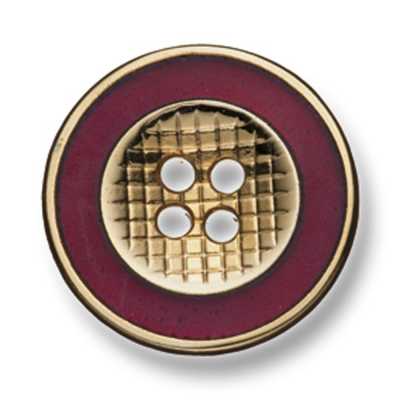
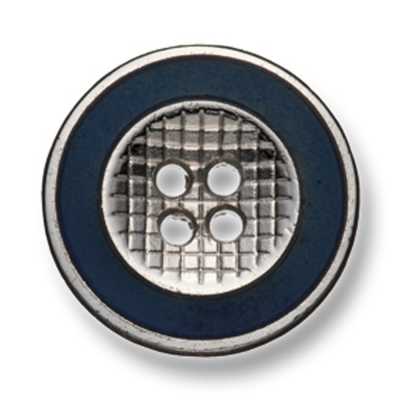
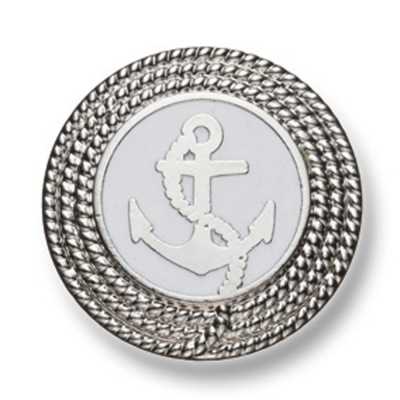
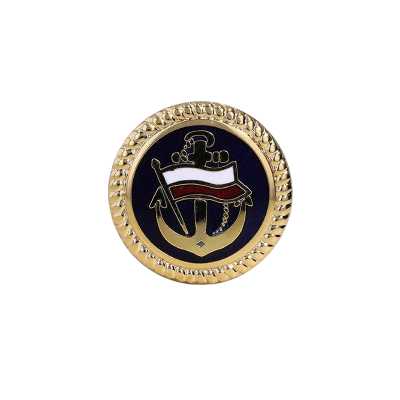
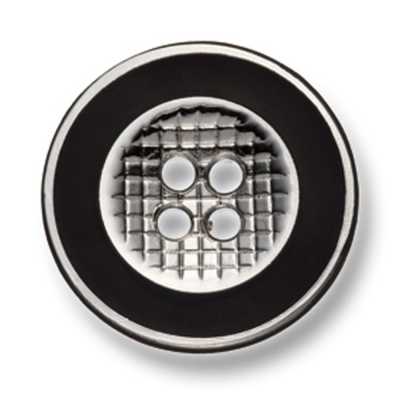
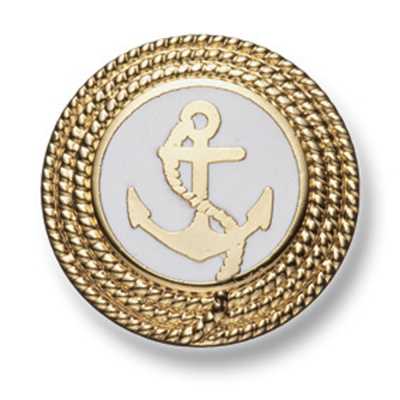
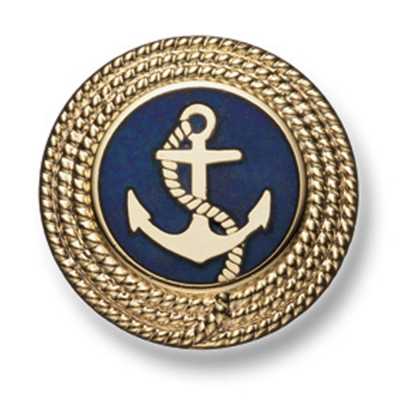
Cloisonné is a highly decorative button finish and material in which glassy glaze is fused onto a metal base to create colors and patterns.
![ロータリー Made In Japan Metal Button For Suits And Jackets, Cloisonné Gold [Outlet]](/img/item/thumb/YX/1064277_t2.jpg)
Contents6 sections
Definition and Overview
Cloisonné buttons are buttons in which a glassy glaze is applied to a metal base such as brass and fired to create colored surfaces and patterns. They are characterized by a glossy color finish and the sense of solidity created by the metal outline, and are used both as garment fasteners and as decorative trims.
“Cloisonné” originally refers to a technique or finish in which glaze is fired onto a metal surface. As a button name, it often refers to products in which cloisonné is applied to a brass body, and it is handled separately from simple colored metal buttons.
Materials and Structure
Brass and other materials are used for the base, and the colored surface is formed by fired glaze. Base shapes include flat single-plate types and hollow types, which differ in thickness, weight, and how they sit on clothing.
Rather than hole-style construction, shank buttons with a foot on the back are more common. The foot may be a rectangle ring foot or a half-round ring foot, and they can be attached without visible stitching on the front. Check the presence of holes, the shape of the foot, and the height for each product number.
- Shank style makes the cloisonné surface on the front easier to show and helps preserve its decorative quality.
- A rectangle ring foot is a square-shaped loop, while a half-round ring foot is a rounded loop-shaped foot.
- A single plate is relatively thin and easy to make look slim, while a hollow type may create a sense of dimension while keeping thickness down.
Size Notation and Applications
Button size is shown in mm by diameter, and may also be expressed in lignes. The ligne is a traditional size unit for buttons, and 1 ligne is approx. 2.54 mm. When ordering, check not only the stated unit but also the actual size, thickness, and height including the foot.
Used for blazers, jackets, coats, dresses, and decorative buttons on uniforms. Because the gloss of the metal and cloisonné stands out, they are often placed in design focal points such as front closures, cuffs, and pocket areas.
Attachment Method and Handling Precautions
Cloisonné buttons with shanks are sewn on by passing thread through the foot. If you make a thread shank with enough space between the button and the textile, it will be easier to fasten and unfasten even on thick fabrics. If the button is heavy, avoid using it on thin fabrics or use a support button on the reverse side to distribute the load.
The glazed area may chip or break if subjected to strong impact. Resistance to washing, dry cleaning, and ironing varies depending on the base metal, glaze, adhesive, and foot structure, so it is important to conduct advance testing with both the trim alone and the finished product.
Do not apply the iron directly to the button; use a pressing cloth to avoid direct contact. Collision with other metal trims during washing, strong friction, and prolonged contact with chemicals may cause surface scratches, discoloration, and loss of gloss.
Differences from Similar Terms
Metal buttons refer broadly to buttons whose main material is metal. Cloisonné buttons are those among them that have a fired glaze color surface on a metal base. Metal buttons colored with paint or resin are not necessarily cloisonné, even if they look similar.
Glass buttons refer to buttons made by shaping glass itself, whereas cloisonné buttons generally combine a metal base with a glassy glaze. Also, shank buttons refer to a type of attachment structure, and are classified differently from names that indicate the material or finish of a cloisonné button.
Frequently Asked Questions
Can cloisonné buttons be machine washed at home?
Whether home washing is possible cannot be determined from the name cloisonné button alone. It depends on the condition of the glaze, the metal base, how the foot is secured, and the product’s washing conditions. Before mass production, check whether there is any cracking, chipping, discoloration, or detachment with the planned washing method, and decide the product care label accordingly.
What should be noted when replacing cloisonné buttons?
It is important not to place tools against the cloisonné surface or press hard on it. With shank specifications, pass the thread only through the foot and secure the spacing from the textile with a thread shank. For heavy buttons or thin fabrics, consider using a support button together with the button or reinforcing the sewn area.