Eyelet Button
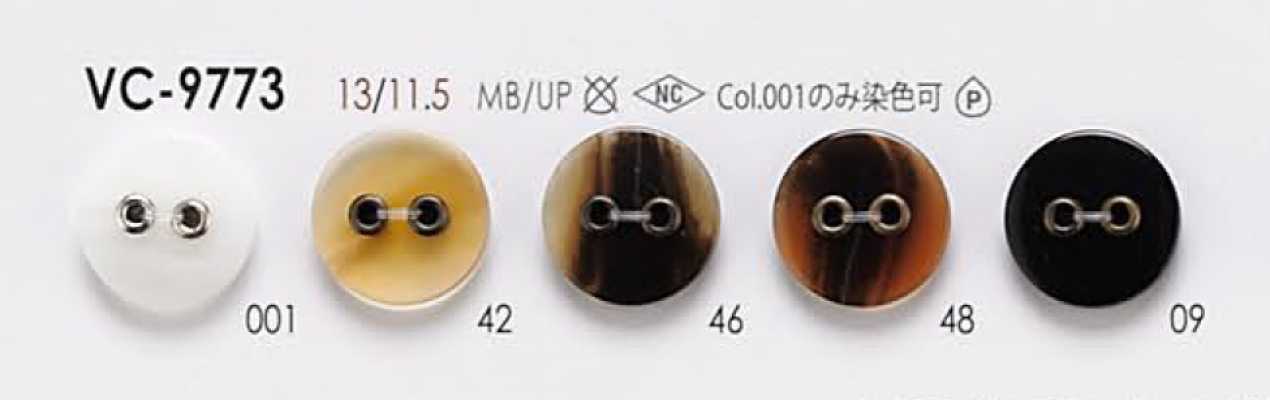
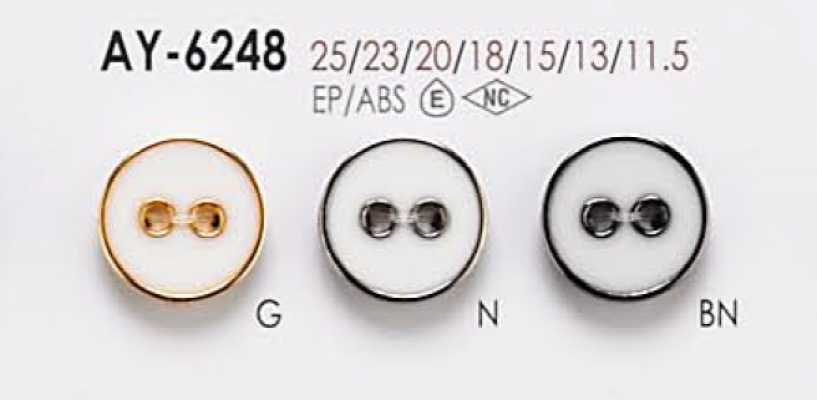
An eyelet button is a button with holes that has an eyelet-like rim or recess around the thread holes, characterized by the decorative finish around the holes and the way the sewing thread sits in place.
Contents6 sections
Definition and Overview
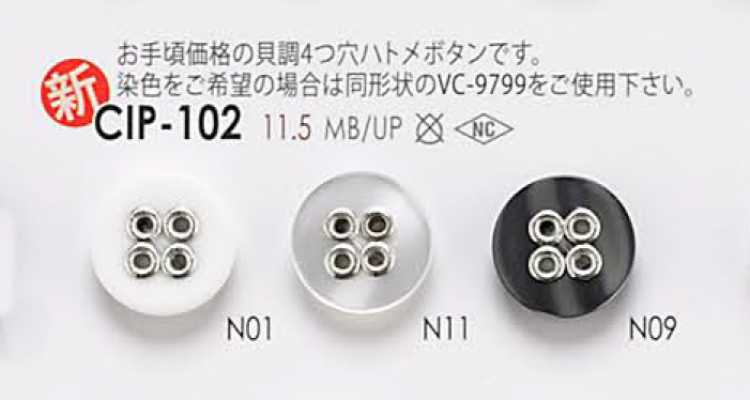
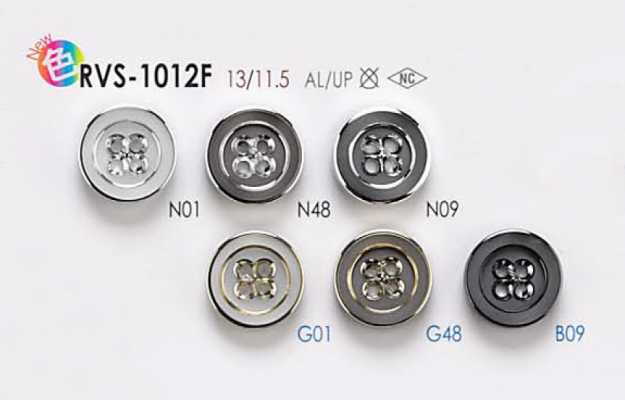
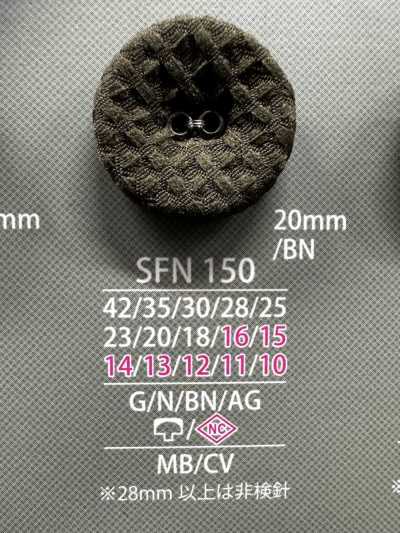
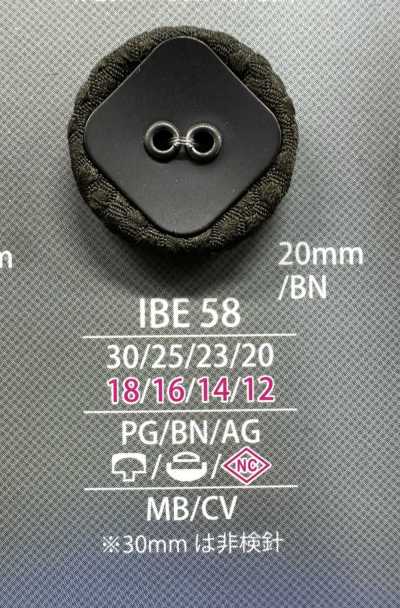
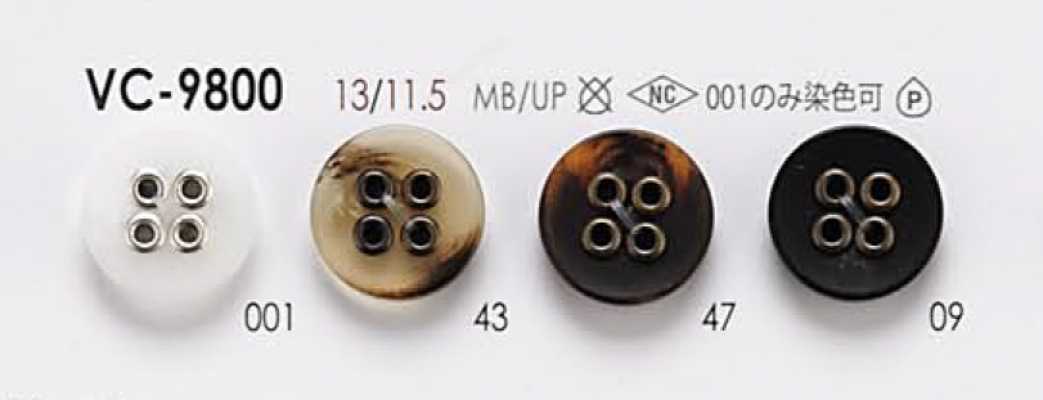
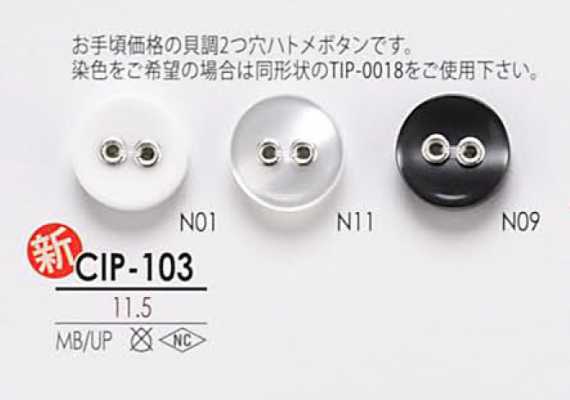
An eyelet button is a button with a decorative finish around the thread holes on the front, such as an eyelet-like rim, recess, or separate component around two holes or four holes. Because it is sewn onto the textile through the holes, its structure differs from a shank button.
The appearance around the holes varies by product, and there are not only styles that show a metal-like rim, but also shell-like, water buffalo, and covered-in-self-fabric specifications. Since “eyelet” can also refer to a reinforcing metal fitting for a hole, listing the number of holes, hole shape, and material together in the specification helps avoid misunderstandings.
Materials and Structure
The button body may be made of shell, water buffalo, polyester resin, and other materials, and the eyelet-like part around the holes may be integrated with the body or combined with a different material. Gloss, color, and the height of the hole rim affect the finished appearance and how the thread looks.
Two-hole and four-hole styles are most common. Two-hole buttons have less thread bridging and look cleaner, while four-hole buttons can create patterns such as a cross or parallel stitching with the sewing thread. Cat's-eye buttons have thread run through a central groove, and are distinguished from eyelet buttons, which are characterized by the area around the holes.
- Two holes: The direction connecting the holes and the thread color affect the appearance.
- Four holes: You can specify how the thread is sewn, such as cross stitching or parallel stitching.
- Hole diameter: Check the thickness of the sewing thread and needle passage.
- Hole rim: Check for sharp sections that could cause chipping, cracking, or thread breakage.
Size Notation
Button size is shown by diameter in millimeters, and may also be expressed in lignes. Lignes are a button measurement unit, and generally one ligne is approx. 0.635 mm. In purchasing and specifications, confirm the diameter in millimeters as well as the ligne notation.
Even with the same stated diameter, the presence or absence of a rim, thickness, and the design around the holes change the apparent size and how easily the button passes through the buttonhole. It is important to match samples with the textile and check buttonhole length, overlap in heavy fabrics, and passage during fastening and unfastening.
Main Applications and Attachment
Eyelet buttons are used for shirts, blouses, cardigans, jackets, coats, dresses, and more. Because the decorative finish around the holes is easy to show, they are used not only on front openings but also on cuffs, pocket openings, and decorative buttons.
When sewing them on as hole buttons, decide whether to use a thread shank based on the thickness of the textile and how the back of the button sits. On heavy fabrics or overlapped sections, leaving an appropriate thread shank between the button and the textile makes it easier to fasten and unfasten through the buttonhole. If necessary, use a backing button on the reverse side to distribute the load on the sewn area.
Handling and Precautions
Resistance to washing, dry cleaning, and ironing depends on the body material, the material of the eyelet-like part, and the surface finish. In addition to the product care label, confirm in advance the resistance as an accessory to washing, dry cleaning, and heat, and test it in the product state before mass production.
Resin and shell may crack or chip under impact, and metal-like parts may discolor due to friction, chemicals, or moisture. Do not apply the iron directly to the button; follow the handling conditions for the selected button, such as using a pressing cloth. If product washing or processing is carried out, the appearance and strength after processing must also be checked.
Frequently Asked Questions
What is the difference between an eyelet button and a shank button?
An eyelet button is a hole button sewn on by passing the sewing thread through the holes on the front. A shank button passes the thread through a shank or ring-shaped part on the back, so the sewing thread is less visible on the front. Choose according to fabric thickness, the look you want, and how easily it passes through the buttonhole.
How do you specify the size of an eyelet button?
Specify the diameter in millimeters or lignes. The ligne notation is widely used for buttons, but it is more reliable to confirm the supplier's or specification's notation and include the diameter in millimeters as well. Final confirmation of the buttonhole size is done with the actual product.
Can eyelet buttons handle washing and dry cleaning?
Whether they are suitable depends on the material and surface finish. Resin, shell, water buffalo, and metal-like hole areas each react differently to heat, chemicals, impact, and friction. Before adoption, check washing and dry cleaning both for the accessory alone and in the product state.