Sew-through
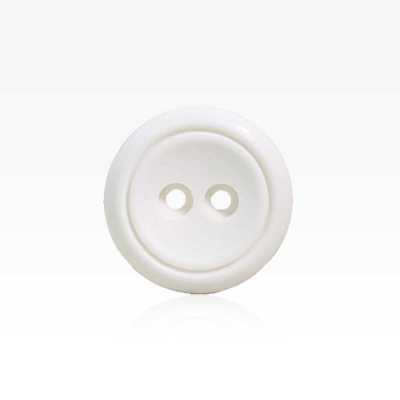
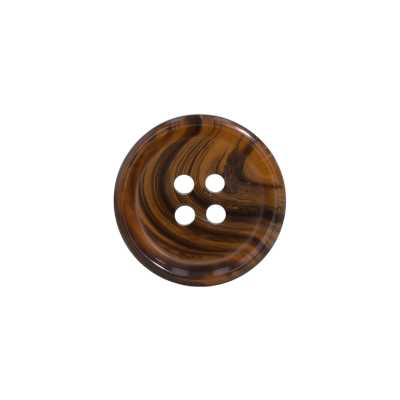
Sew-through refers to a structure in which the holes for passing the sewing thread are visible on the front of the button, or to a button with that structure, and it is classified by the number of holes, such as two-hole or four-hole buttons.
Contents6 sections
Definition and Overview
Sew-through is a button structure in which the holes are visible on the front of the button. Because the thread is passed through the holes and sewn directly to the textile, the color and way the sewing thread is passed are also part of the design. In product names, it may also be written as sew-through button.
Sew-through does not refer to the button’s material, but to the way the holes are visible and the sewing construction. It is used for buttons made of various materials such as shell, resin, and metal.
Hole and Shank Structure
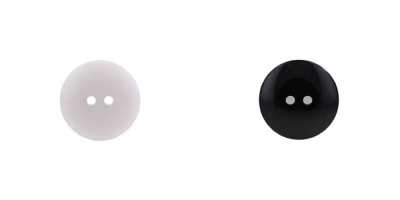
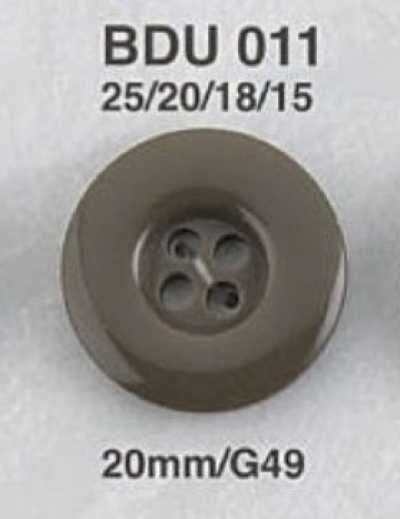
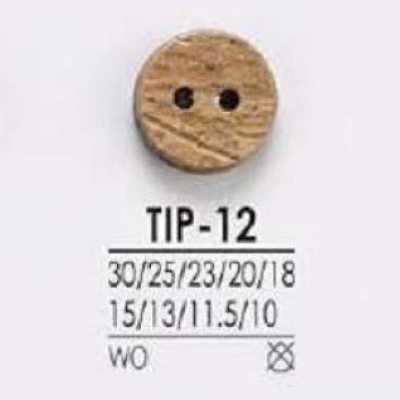
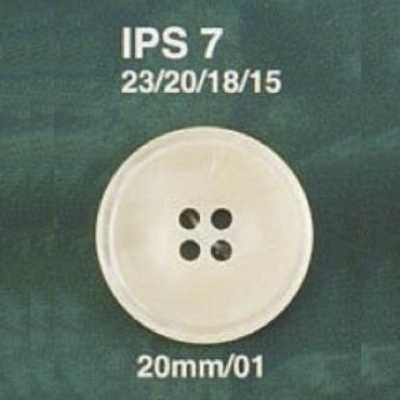
Sew-through buttons are often found with two holes or four holes. Two-hole buttons tend to create a clean impression, while four-hole buttons can create different looks depending on how they are attached, such as crossing the thread. Some also have a raised edge around the holes.
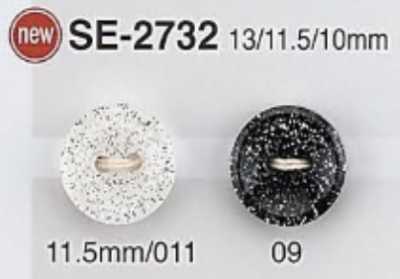
A cat-eye button is a type of sew-through button with a hole at the bottom of a groove on the surface. By contrast, a shank button is attached by passing thread through a shank on the back, so no sewing holes appear on the front. Note that sew-through and shank differ in stitching method and the distance between the button and the textile.
- Two-hole: A basic shape with the holes arranged in a straight line.
- Four-hole: Uses four holes and is sewn in a cross or parallel pattern.
- Cat-eye: A shape in which the holes are placed in a central groove, making the thread less visible from the front.
- Shank: A structure attached by a shank on the back, so the holes are not visible on the front.
How Sizes Are Written
Button size is generally expressed by diameter in millimeters. The ligne unit is also used in the button industry. 1 ligne is approx. 0.635 millimeters, and the listed ligne size is converted to millimeters for checking against specifications and buttonhole dimensions.
Even with the same diameter, the appearance and the thickness of thread that can pass through vary depending on thickness, whether or not there is an edge, hole size, and material. When ordering, it is important to confirm not only the diameter but also the number of holes, thickness, surface shape, color, and the textile to be used.
Main Applications and Attachment Method
Sew-through buttons are used for shirts, blouses, cardigans, jackets, pants, skirts, and dresses. They can be used on everything from lightweight to relatively heavy textiles, but if the textile thickness and button thickness do not match, fastening and appearance may be affected.
When sewing on the button, match the number of passes of thread through the holes and the thread thickness to the button hole diameter and intended use. In heavy textiles or areas where the front edge is thick, create an appropriate thread shank between the button and the textile, and if necessary make a thread shank wrap so the button passes through the buttonhole more easily.
Handling and Quality Precautions
Resistance to washing, dry cleaning, and ironing depends not on the sew-through structure but on the material, dyeing, and surface finishing. Follow the product care label, and before mass production it is safe to conduct a washing test using the actual textile, sewing thread, and attachment method together.
Natural materials and resin may crack, chip, or discolor due to impact, sudden temperature changes, or chemicals. For metal, also check for scratches, discoloration, and plating wear. Direct contact with an iron should be avoided, and handling appropriate to the material is necessary, such as using a pressing cloth.
Frequently Asked Questions
How should sew-through buttons and shank buttons be used differently?
Because the sewing thread is visible on the surface, sew-through buttons are a structure that can make use of the appearance of the thread in shirts and casual apparel. Shank buttons do not show thread on the front, and are also used on thicker textiles or areas where a more dimensional look is desired. Choose based on textile thickness, design, and buttonhole specifications.
Should the size of a sew-through button be checked in ligne or millimeters?
Check it according to the unit used in the specification sheet or purchase order. If it is written in ligne, it can be converted based on 1 ligne being approx. 0.635 millimeters. However, in actual selection, it is important to check not only the diameter but also the thickness, hole diameter, and compatibility with the buttonhole using the actual item.
How can a sew-through button be prevented from cracking?
Because each material has different properties against impact and heat, choose a button suitable for the intended use. When sewing on, do not pull the thread too tightly, and in heavy textiles secure an appropriate thread shank. Before mass production, checking the product under expected processes such as washing, dry cleaning, and ironing after sewing can help identify the risk of breakage and discoloration.