Molded Cup
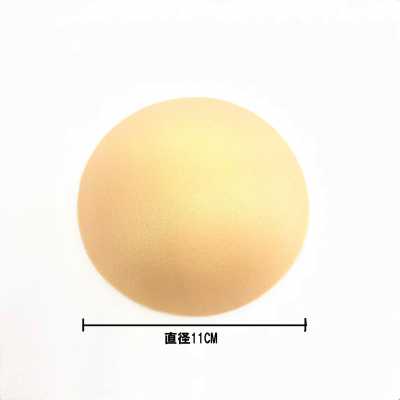
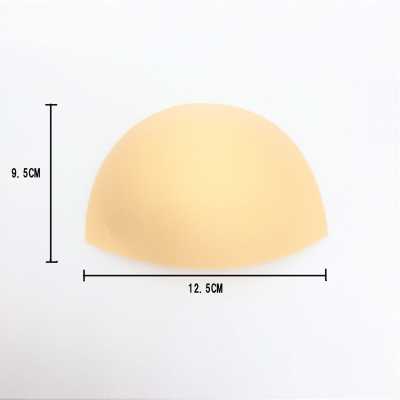
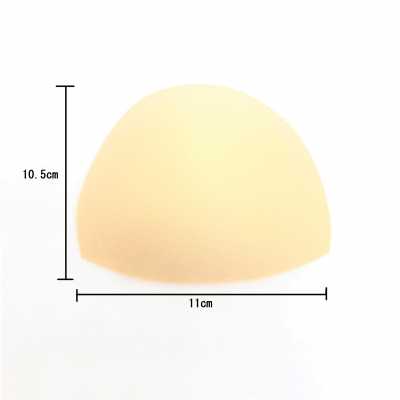
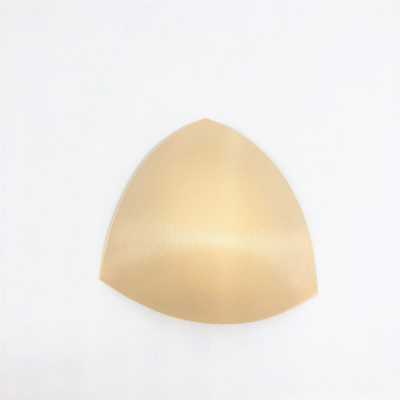
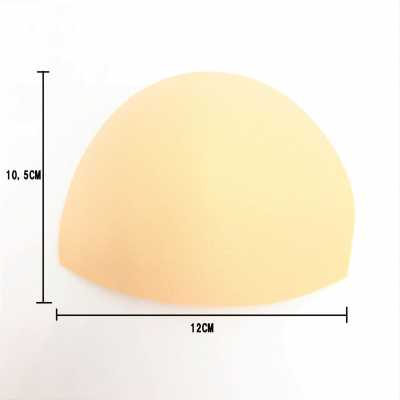
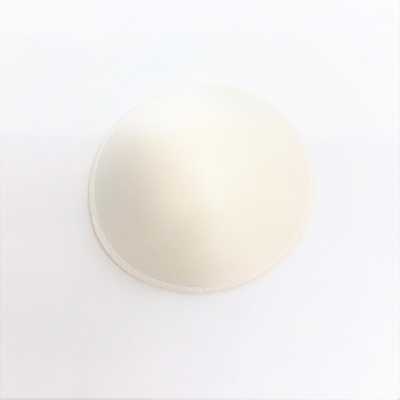
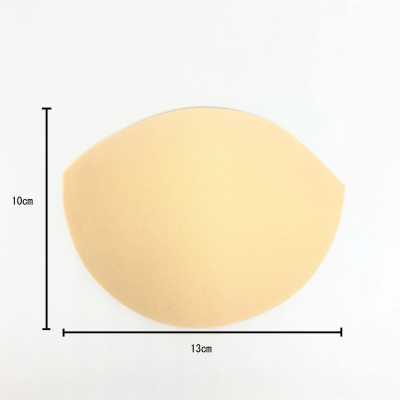
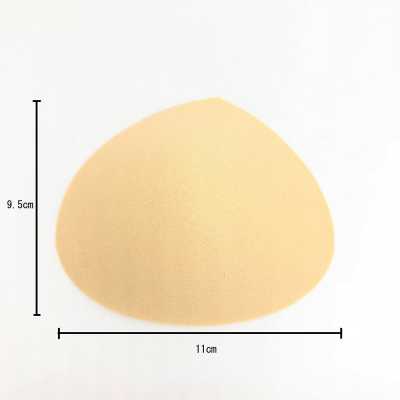
A molded cup is a cup formed into a three-dimensional breast shape using heat and a mold. It is an auxiliary material that shapes the bust line and gives structure to bras and cup-insert garments.
Contents6 sections
Definition and Overview
A molded cup is a breast cup made by forming a flat sheet material into a three-dimensional shape with heat and a mold. Its feature is that it creates a smooth bust line without showing seam lines from stitching on the surface.
In general, it refers to cups for bras, but it may also be used as an integrated or removable component in camisoles, innerwear, swimwear, dresses, and more. Depending on the product, it may be supplied as a left-right pair.
Area Used and Function
It is mainly placed on the inside of the bust area of garments to cover and shape the bust. Even with a thin outer fabric, seam irregularities are less likely to show, and it helps stabilize the garment silhouette.
In garments with cups, the cup is sewn to the outer fabric or lining, or inserted into a pocket provided on the inside. The insert type allows for removal or replacement during washing, but it must be designed so it does not shift while being worn.
Materials and Types
Lightweight, resilient polyurethane foam is often used as the material. Some types have a knit fabric or nonwoven fabric laminated to the surface, and the feel against the skin, appearance, and ease of handling during sewing vary depending on the construction.
There are variations in thickness, firmness, molding depth, and outer edge shape. Thin types are suited to a natural look, while thicker types are suited to creating a sense of volume. The cup depth affects the bust measurement of the garment and the ease allowance during wear.
- The one-piece molded type has a smooth surface and is used for applications that emphasize shape retention.
- The removable type is used in cup-equipped garments that allow insertion and removal through the cup opening.
- In addition to left and right separate types, there are also designs joined at the center.
Main Applications
In lingerie, it is used in the bust area of bras and bralettes. It is suitable for cases where a low-seam appearance is desired or for specifications that are less likely to show through thin outerwear.
It is also used in camisoles with cups, tank tops, dresses, dance costumes, swimwear, and more. However, for uses involving a lot of movement, water exposure, or frequent washing, the specification should be considered, including retention and quick-drying performance.
Selection, Handling, and Sewing Precautions
When selecting, check the cup width, depth, thickness, and outer edge shape on the pattern and dress form. Rather than trying to determine the bust position with the cup alone, it is important to match it with the overall garment design, such as the underbust support area, side hold, and shoulder strap position.
When sewing in the cup, pulling it too hard or crushing it may distort the molded shape. Check whether the seam allowance and sewing position will show on the outside, and for stretchable bodices, also pay attention to waviness or shifting caused by differences in stretch amount.
High-temperature ironing or pressing may cause deformation, crushing, or surface changes. Follow the cup material composition and the care label for the entire garment regarding washing and drying conditions, and before mass production, confirm shape retention through washing and wear tests.
Frequently Asked Questions
What is the difference between a molded cup and a bust pad?
A molded cup usually refers to a cup shaped into a three-dimensional form with heat and a mold, and it is suited to applications that cover the entire bust and define its contour. A bust pad is a general term for auxiliary materials inserted into the bust area, and includes flat types, partially thickened types, and molded types.
Can molded cups be washed at home?
Some are suitable for home washing, but whether they can be washed depends on the cup material composition and the garment specification. Since deformation or creasing may occur in a washing machine, check the care label and handling instructions for each product, such as removing the cup if possible or using a laundry net.
What causes cups to shift in garments with cups?
Causes include a mismatch between the cup and bodice dimensions or stretch, the cup opening or pocket fabric being too large, or the sewing position being improper. Check the pulling direction during wear, and during the prototyping stage, evaluate shifting after washing as well.
- Search products for "Molded Cup"
- Products with material "Polyester"
- Products with material "Polyurethane"
- Products for style "For Innerwear"
- Products for style "For Lingerie"
- Products for style "For Swimwear"
- Products for style "For Sports"
- Products for style "For Costumes/dresses"
- Products for style "For Nightwear"
- Browse Bra Pad products