Pearl Button
A pearl button is a highly decorative button that uses imitation pearl or similar materials to create a pearl-like luster and rounded shape.
Contents6 sections
Definition and Overview
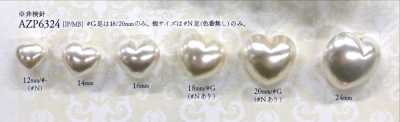
Pearl buttons are buttons that incorporate a pearl-like luster, milky white tones, and a rounded shape into their design. Most use imitation pearl and combine fastening function with decoration. In addition to round shapes, there are also heart-shaped designs and specifications combined with other materials.
This does not mean using natural pearls themselves for buttons; it generally refers to buttons that artificially express a pearl-like appearance. Shell buttons are a different material that uses the luster of the mother-of-pearl layer of shell, and differ from pearl buttons in both material and appearance.
Materials and Structure
Imitation pearl is used for the pearl portion, and the surface is finished to make the most of its luster and color tone. Not only buttons that are entirely pearl-like, but also combination specifications paired with a metal-like base, rhinestones, resin, and other materials are available.
The representative attachment structure is a shank button with a loop on the back for threading sewing thread. Because the shank has thickness, the button sits slightly above the fabric surface, making the rounded design easier to show. Depending on the product, there are also hole styles such as two-hole and four-hole types.
- Shank button: A shape attached by threading sewing thread through the shank on the back.
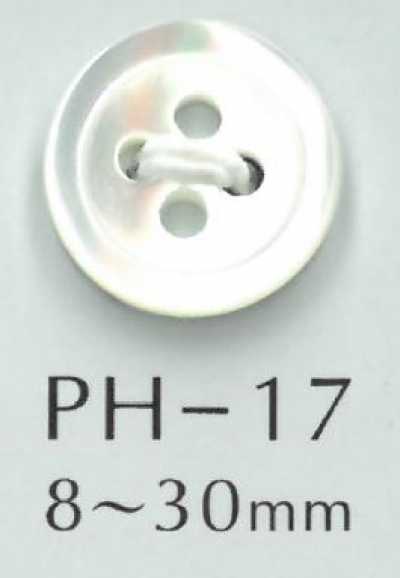
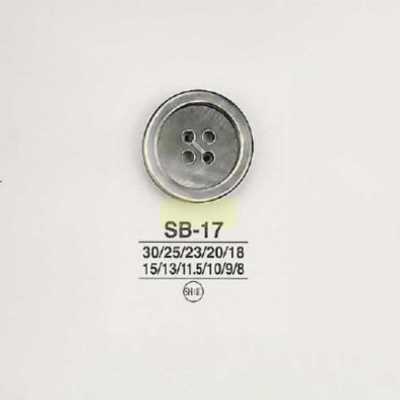
- Two-hole / four-hole button: A shape attached by threading sewing thread through the holes on the surface.
- Combination button: A button that combines pearl-like parts with different materials.
Size Representation and Applications
Sizes are indicated by diameter in mm, and also written in lignes. Lignes are the customary size unit for buttons, and in specifications, standardizing whether lignes notation or mm notation is used makes ordering and buttonhole design easier to confirm.
Used for blouses, shirts, cardigans, dresses, skirts, jackets, and more. In particular, they are used as accents for front openings, cuffs, and necklines in neat, feminine, and formal-leaning designs. Shape, height, and the strength of the luster are selected to match the feel of the garment fabric and design.
How to Attach and Handling Notes
For shank types, stress tends to concentrate at the base of the shank, so do not tighten the sewing thread too much, and if necessary, add a wrapping stitch at the base to leave appropriate space between the button and the fabric. On thin fabrics and highly stretchy fabrics, attaching a backing button on the reverse side can help reduce fabric damage and button wobble.
Resistance to washing, dry cleaning, and ironing varies depending on the construction, such as the pearl layer, adhesive section, and base. Check not only the garment care label but also the handling conditions for the attachment itself, and do not apply a hot iron directly. It may crack from impact or pressure, or its surface may become scratched, and discoloration may also occur due to chemicals or prolonged light exposure.
Differences from Similar Terms
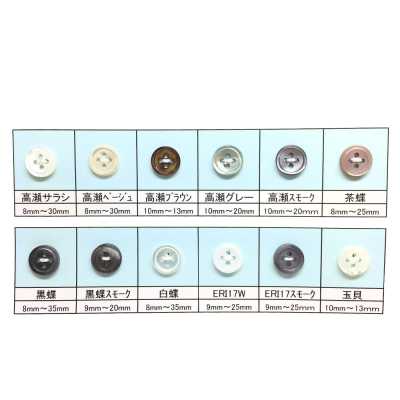
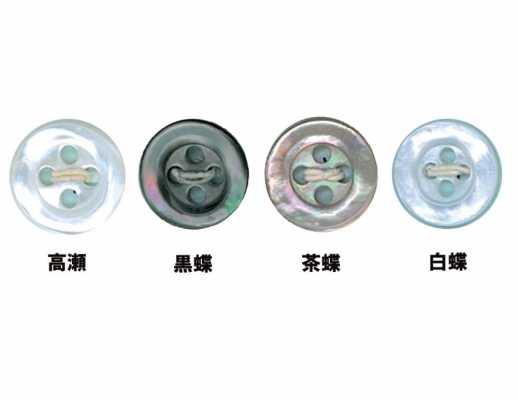
Shell buttons are buttons made by processing shells such as white mother-of-pearl shell and trochus shell, and individual pieces vary in pattern and luster derived from natural materials. Pearl buttons, on the other hand, focus on a pearl-like appearance, and are characterized by a rounded bead-like look and uniform luster in many cases.
Glass buttons are buttons that make use of the transparency and light refraction of glass, and differ from pearl buttons in both decorative effect and handling precautions. Also, while buttons with rhinestones place the stone-like decoration at the center, pearl buttons use pearl-like components as the main design element.
Frequently Asked Questions
Can pearl buttons be washed at home?
Whether home washing is possible depends on the surface treatment of the pearl-like component, the bonding method, the base, and other construction details. Do not judge only by the garment care label; check the handling conditions for the attachment itself. Even when washing, methods such as turning the garment inside out and putting it in a laundry net are effective for reducing collisions with other clothing.
How do you sew on a shank pearl button?
Pass the thread through the shank several times to secure it, and add a wrapping stitch to leave a little room between the button and the fabric. Tightening the thread too much puts strain on the shank and fabric. For thin fabrics, knits, or plackets subject to stress, consider using a backing button on the reverse side.
Are pearl buttons and shell buttons the same?
No, they are not the same. Pearl buttons are buttons that express a pearl-like appearance using imitation pearl or similar materials. Shell buttons are made from shell material and are characterized by the luster and patterns of natural mother-of-pearl. When deciding specifications, confirm not only the appearance but also the material description and handling conditions.
- Search products for "Pearl Button"
- Products with material "Imitation Pearl"
- Products for style "For Shirts/blouses"
- Products for style "For Skirts And Dresses"
- Products for style "For Jackets/Suits"
- Products for style "For Formal Wear"
- Products for style "For Costumes/dresses"
- Products for style "For Kids"
- Browse Button products