Pewter
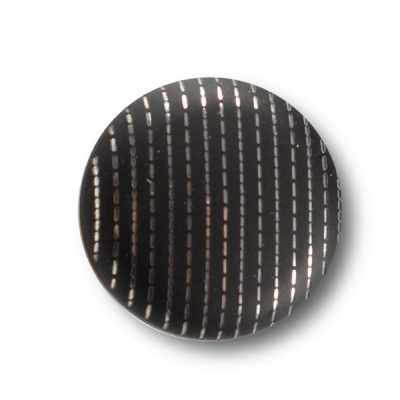
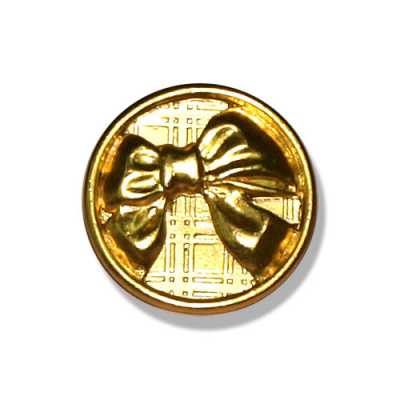
Pewter is an alloy with tin as its main component, with other metals added, and is a button material that makes use of cast raised designs and a subdued metallic appearance.
Contents6 sections
Definition and Material Characteristics
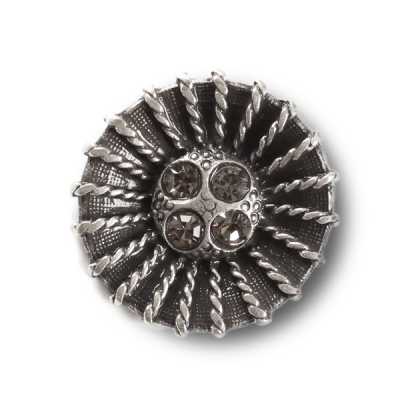
Pewter is an alloy with tin as its main component. In apparel buttons, it is often made by casting molten alloy into molds, and is used for finely modeled raised designs such as carved patterns, emblems, animals, and flowers.
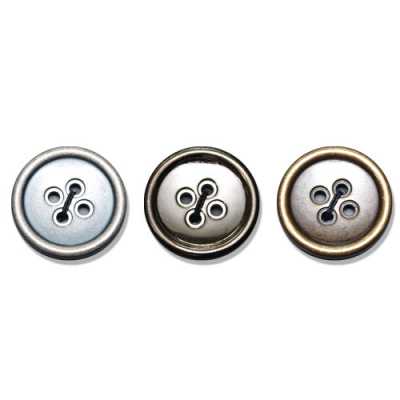
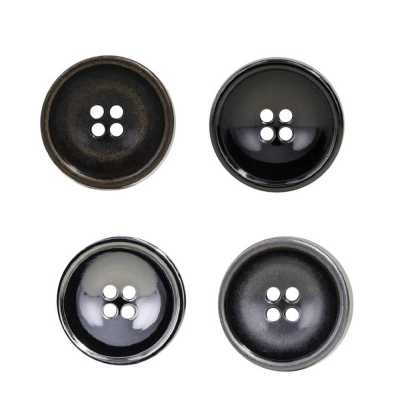
It is characterized by a metallic look ranging from silver to a dull gray. The sheen and shading vary depending on the surface finish. It may look similar to metal buttons containing brass, but pewter is a material name that indicates the type of alloy.
Shape and Hole/Shank Structure
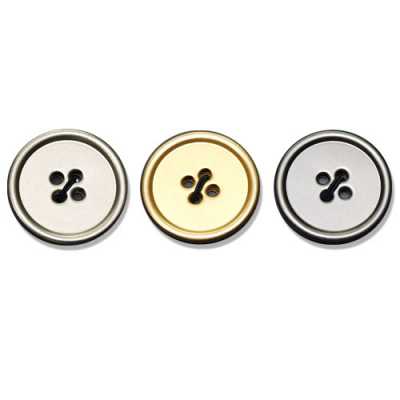
Pewter buttons come in shapes with two or four holes on the front, and shapes with a shank on the back for threading. Hole buttons are easy to use on relatively flat plackets such as shirts and cardigans, while shank buttons are suitable for thicker fabrics or places where a three-dimensional look is desired.
Shank styles include ring shanks, which are looped shanks for threading, and tunnel shanks, which have a horizontal hollow section. The shank height, hole size, and button thickness affect sewing specifications, so confirm them according to fabric thickness and the thread used.
- Two-hole/four-hole: A shape attached by threading through the holes on the front.
- Ring shank: A shape attached by threading through the looped shank on the back.
- Tunnel shank: A shape attached by threading through the horizontal hole on the back.
Size Indication
Button size is shown not only by diameter in mm, but also in lignes. Lignes are a traditional size unit used for buttons, and 1 ligne is approx. 0.635 mm. In ordering and specifications, standardizing whether to manage sizes in lignes or mm can reduce confirmation mistakes.
Even with the same indicated size, the apparent size and how the button sits in the buttonhole change depending on the raised edge, surface texture, and whether or not there is a shank. Before mass production, check the hole size and thickness with the actual item and test compatibility with the buttonhole.
Main Applications
Pewter buttons are used on jackets, coats, blousons, vests, and knit cardigans. They can add a substantial, classic impression and also suit workwear, military, ethnic, and country-style designs.
They are used not only as practical front-opening buttons, but also as decorative buttons for cuffs, pockets, and collars. However, because the button itself may be heavy, consider the installation position and whether reinforcement is needed on thin fabrics or fabrics that stretch easily.
How to Attach and Handling Precautions
For pewter buttons with shanks, make an appropriate thread shank between the button and the fabric, and secure it with a thread shank wrap if necessary. To prevent force from concentrating on the button, a backing button may also be used on the reverse side. If tightened too much, it may not conform to the fabric thickness and can cause thread breakage or damage.
Depending on the alloy composition and surface finish, discoloration or changes in surface texture may occur due to moisture, sweat, detergent, or friction. For washing, dry cleaning, and ironing, check the product label and the accessory's resistance, and avoid pressing the iron directly and strongly against the button.
Cast products may crack or deform due to strong impact, excessive bending, or dropping. When washing, turn garments inside out and use a laundry net to reduce contact with other metal fittings. For mass-produced items, it is important to confirm accessory compatibility, including washing and dry-cleaning tests.
Frequently Asked Questions
What is the difference between pewter and metal buttons?
Metal buttons is a general term for buttons made of metal, while pewter refers to buttons made with an alloy whose main component is tin. The material differs from metal buttons made of brass, zinc alloy, and similar materials. Since it is difficult to distinguish by appearance alone, confirm the material, surface finish, and structure separately in accessory specifications.
Can pewter buttons be machine washed at home or dry cleaned?
Whether this is possible depends on the alloy composition, surface finish, sewing specification, and the wash care instructions for the entire product. To prevent discoloration, scratches, cracks, and detachment, it is important to check wash and dry-cleaning compatibility with the actual fabric before mass production.