


Phenolic Resin
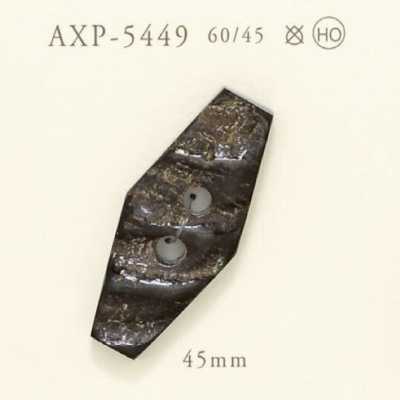
Phenolic resin is a button material made by molding a phenolic thermosetting resin, with a hard, subdued texture.
Contents6 sections
Definition and Overview
Phenolic resin is a thermosetting resin that hardens when heated and becomes difficult to melt again with heat. In buttons, it is used as a molded product and is handled as a material that can express a hard, substantial feel and deep color tones.
Bakelite is a name used for phenolic resin-based materials. However, since the exact material composition and manufacturing method vary by product, when placing an order, confirm not only the name but also the material labeling and quality conditions.
Material Characteristics and Structure
Phenolic resin buttons are generally relatively resistant to heat and friction and are easy to give a crisp appearance, but they may chip or crack under strong impact or excessive tightening. Special care is needed for thin shapes and styles with narrow shanks.
Shapes include hole styles such as two-hole, four-hole, and cat's-eye, as well as shank styles with a shank on the back. Hole styles follow the garment body well, while shank styles make it easier to show the surface design, so choose according to fabric thickness and design.
- Hole styles are used for the front opening and cuffs of shirts, jackets, and pants.
- Shank styles are used for coats and dresses when you want the button surface to appear raised.
- For thick fabrics, shank styles or thread shanking that can create suitable space between the button and fabric are appropriate.
How Sizes Are Expressed
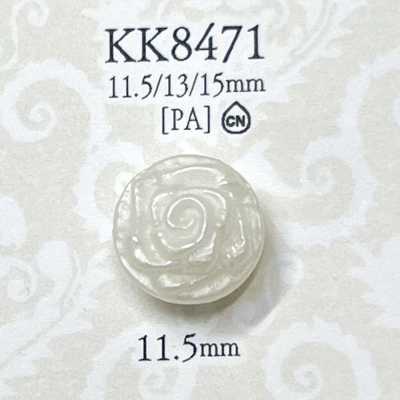
The outside diameter of buttons is expressed in millimeters and lignes. Lignes are a customary unit used for buttons, and generally one ligne is approx. 0.635 millimeters. In specifications, to avoid confusion, listing both lignes and millimeters makes confirmation easier.
Even with the same stated diameter, the appearance and how smoothly the button passes through the buttonhole change depending on whether there is a rim, the thickness, the roundness, and the shank height. Before mass production, it is important to check the fit between the actual buttonhole size and the button.
Main Applications and Selection
Taking advantage of their hard, classic impression, they are used for jackets, coats, cardigans, dresses, pants, and more. In addition to solid colors, there are mottled and patterned designs, and they can also be matched to designs seeking a natural-material look.
When selecting, check not only color and gloss but also the diameter, thickness, number of holes or shank shape, type of buttonhole, fabric thickness, and the load during wear. For main front buttons and cuff or pocket buttons, the size may be changed depending on the application.
Attachment and Handling Precautions
For hole styles, attach them without pulling the sewing thread too tightly and leave a slight gap between the button and the fabric. On thick fabrics, making thread shanking to create a thread stem stabilizes the front overlap and reduces the force applied to the button. For shank styles, sew them on with an appropriate number of stitches and tension so that the thread does not concentrate at the base of the shank.
Suitability for washing, dry cleaning, and ironing varies depending on the resin formulation, coloring, and surface finishing. Direct contact with a high-temperature iron or repeated impact with hard objects may cause discoloration, gloss changes, or cracking. In product testing, confirm the appearance and attachment strength after washing and dry cleaning.
Frequently Asked Questions
What is the difference between phenolic resin buttons and polyester buttons?
Phenolic resin buttons are characterized by the hard, substantial texture of a thermosetting resin. Polyester buttons generally offer a wider range of colors, patterns, and shapes, and are a material with broad applications. Select them by comparing not only appearance but also the required heat resistance, impact resistance, and washing test results.
Can phenolic resin buttons be ironed?
As a rule, direct ironing on buttons should be avoided. High temperatures or prolonged heat may cause surface gloss changes, discoloration, or deformation. When finishing garments, avoid the buttons or use a pressing cloth, and confirm the handling conditions for the buttons being used.
Are phenolic resin buttons easy to break?
Although they are a hard material, chips or cracks may occur under strong impact, dropping, or excessive tightening. Extra care is needed especially for thin styles or narrow shanks. Set the sewing thread tension appropriately when attaching them, and confirm the attachment strength and post-wash condition before mass production.





