Rubber Casting
Rubber Casting is a casting method in which molten metal is poured into the cavity of a rubber mold and cooled to form three-dimensional accessories such as buttons.
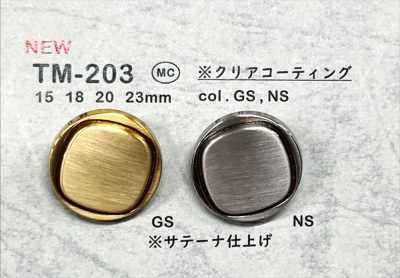
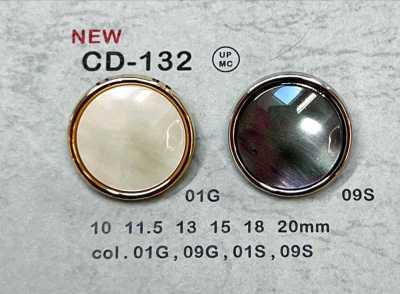
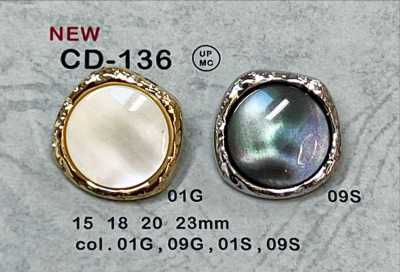
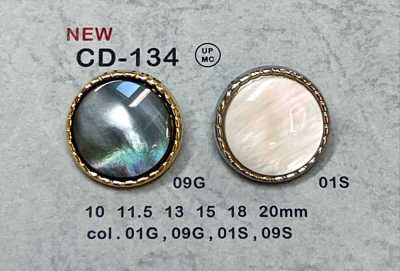
Contents7 sections
Definition and Overview
Rubber Casting is a casting method that uses a rubber mold made from a master pattern. Molten metal is poured into the shape inside the mold, then removed after it cools and hardens. It is used to manufacture buttons and decorative accessories with complex relief, openwork, and three-dimensional patterns.
Spin casting may refer to a Rubber Casting method in which metal is distributed through a rotating rubber mold. Depending on the site or trading partner, Rubber Casting and spin casting may sometimes be treated as having almost the same meaning.
Materials and Structure
Rubber Casting buttons are generally made using metal that can be melted at relatively low temperatures. The finished product can easily express a metallic feel and three-dimensionality, and its appearance may be changed through surface finishing, painting, plating, and similar processes.
Holes may be specified as two-hole, four-hole, cat's-eye, and other surface-hole styles, and there are also shank buttons with a foot on the back. Because the position of the holes or shank, thickness, and back shape affect sewing performance and strength, check not only the front design but also the back specifications.
- Thin edges and narrow openwork areas vary in strength depending on the shape.
- For shank specifications, check the inner diameter of the shank, shank height, and wall thickness at the base.
- For surface-hole specifications, check whether the hole diameter and hole spacing match the button-sewing thread and sewing conditions to be used.
How Sizes Are Shown
Button sizes may be shown by diameter in mm or in lignes. Lignes are a unit used for the nominal size of buttons, and when ordering, it is important to verify not only the lignes notation but also the actual diameter and thickness in the specification sheet.
For Rubber Casting products, even if the outside diameter seen from the front is the same, the required buttonhole size and the way the button sits when sewn on may change depending on the three-dimensional shape and the projection of the shank. Before mass production, check compatibility with the buttonhole using the actual product.
Main Uses and Selection
Taking advantage of the metallic look and fine design details, they are used on front openings and cuffs of jackets, coats, blousons, dresses, uniforms, and similar items. They may also be adopted as accessories for garments that emphasize decoration, or for bags and similar items.
When selecting, in addition to the design, check the strength required for the garment's applications, weight, load on the textile, and washing method. For thin textiles or highly elastic textiles, also consider using interfacing or reinforcing buttons so that the front placket does not stretch or sag under the weight of the button.
How to Attach and Handling Precautions
Surface-hole buttons are sewn on by passing thread through the holes, while shank buttons are secured by passing thread through the shank. When attaching to thick materials or when the button needs to stand away from the textile, making a thread shank by wrapping the base can make it easier to ensure enough room for the buttonhole.
Suitability for washing, dry cleaning, and ironing differs depending on the metal used, surface finish, and whether it is painted. Discoloration, coating damage, and plating deterioration may occur due to detergent, solvents, sweat, moisture, and friction, so testing according to product conditions is necessary.
Casted products may crack, chip, or have their shanks broken by strong impact or excessive bending. Do not apply a hot iron directly to the button; use a pressing cloth or avoid the button area when ironing. Before mass production, perform washing tests after sewing and tensile checks in actual use.
Differences from Similar Terms
Die casting is generally a casting method in which molten metal is injected under pressure into a metal mold. Rubber Casting differs in that it uses a rubber mold, and is handled as a method suitable for complex shapes and small-lot production. In both cases, the term refers to the manufacturing method, not the material name.
Rubber Casting does not mean buttons made from rubber itself. It differs from rubber buttons and silicone buttons in both the main material and the manufacturing method. When selecting a product, check not only the method description but also the base material, surface finish, and the hole or shank specification.
Frequently Asked Questions
Can Rubber Casting buttons be washed?
Suitability for washing depends on the metal used in casting and the surface finish, such as paint or plating. Because discoloration and surface deterioration may occur from moisture, detergent, and friction, washing tests should be conducted on the sewn product, not the button alone, and consistency with the care label should be confirmed.
What is the difference between Rubber Casting and die casting?
The main difference is the mold. Rubber Casting uses a rubber mold and is used as a method that can handle fine relief, complex designs, and small-lot production. Die casting is a casting method that uses a metal mold. Both terms refer to manufacturing methods for metal accessories, not material names.
What should be considered when attaching a Rubber Casting button with a shank?
Select thread that passes through the inner diameter of the shank, and sew it so that excessive force does not concentrate at the base of the shank. Make a thread shank according to the textile thickness to ensure enough clearance for the button to pass through the buttonhole. Before mass production, check for shank breakage, thread breakage, and button wobble.