Skin-on Shell Button
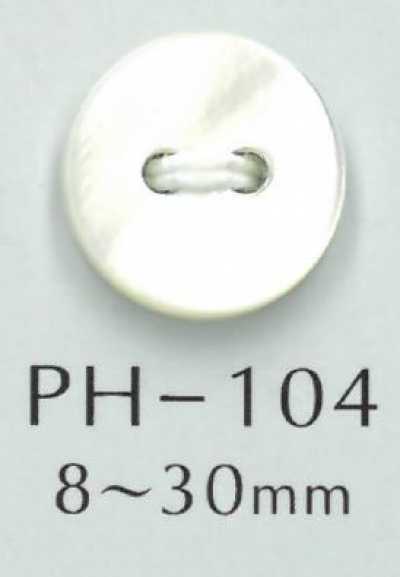
A skin-on shell button is a shell button carved while leaving part of the brownish outer skin on the surface of the shell, using the natural color variation and texture as a design feature.
Contents6 sections
Definition and Material Characteristics
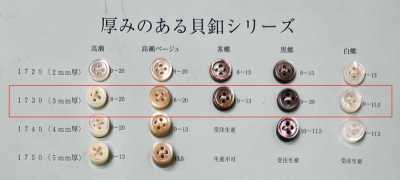
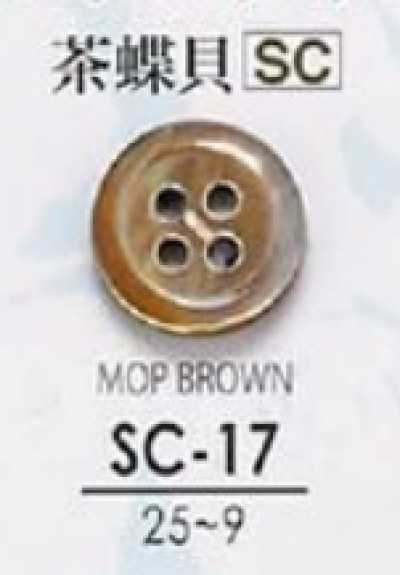
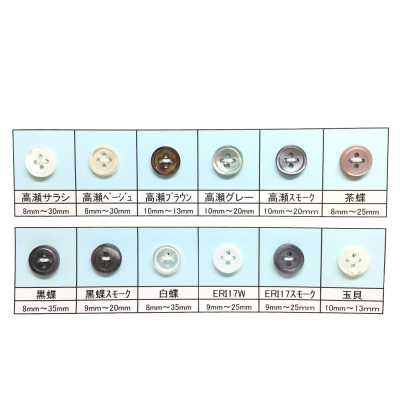
Compared with ordinary shell buttons that show the luster of the nacre layer, skin-on shell buttons are buttons that retain the outer skin and color layers of the shell. Their surfaces show shades and irregular patterns such as brown, gray, and black, giving them the unique character of a natural material.
“Skin-on” does not indicate the type of shell, but refers to a finish that leaves the outer skin in place. Even within the same product number, individual variations can occur in color, pattern, thickness, and luster, so prior confirmation is necessary for applications that require a uniform appearance.
Hole and Shank Structure
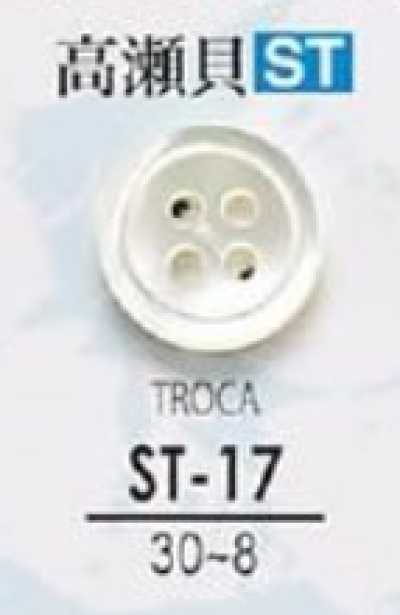
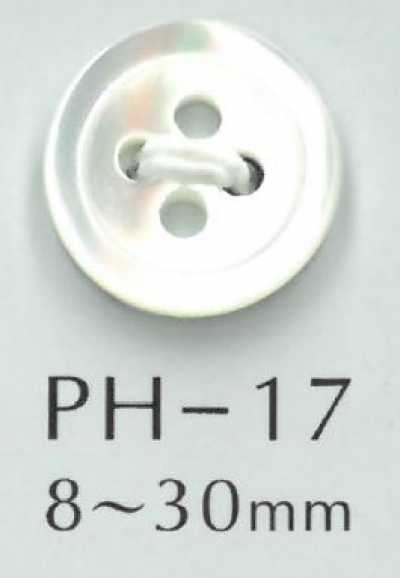
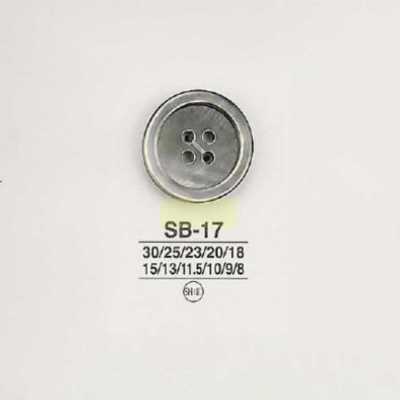
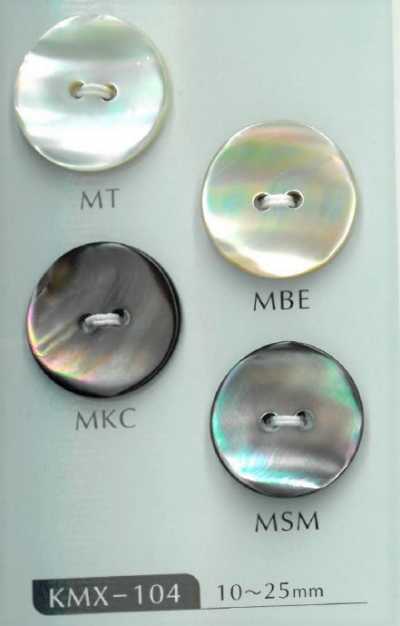
Many are hole buttons with openings in the button body, including two-hole, four-hole, and cat-eye types. Cat-eye buttons have a groove between the holes, which helps the thread sit neatly and can make the button appear slightly raised.
They may also be made as shank buttons, but the term skin-on shell button alone does not determine the number of holes or whether a shank is present. In design drawings and accessory specifications, specify the hole shape, thickness, and back side finish in addition to the material.
- For lightweight fabrics, check for fabric indentation and seam shrinkage.
- For heavy fabrics, check the hole diameter for threading and the button thickness.
- Including spare buttons, check the color tone and the amount of outer skin showing.
How Sizes Are Shown
Button sizes are shown by diameter in millimeters, and also in lignes. Lignes are a traditional unit for buttons, and 1 ligne is approx. 0.635 millimeters. In orders and specifications, listing both lignes and millimeters helps prevent misunderstandings.
Natural materials may show slight individual differences around the outer edge. Buttonholes should not be determined by the stated diameter alone; set the dimensions by checking the actual thickness, edge shape, and how easily it passes through after finishing.
Main Applications
Taking advantage of the natural color tone and rustic look, they are used for shirts, blouses, cardigans, dresses, jackets, and light clothing. They tend to pair well with fabrics made from natural materials such as linen and cotton, washed fabrics, and products with a natural feel.
They are used not only for the main buttons on front openings, but also as accents on cuffs and pocket openings. However, because a strong outer-skin appearance can affect the overall look of the product, check the color balance for each placement location.
Attachment and Handling Notes
Hole buttons are sewn on with button-sewing thread, and root wrapping is performed when needed. Root wrapping is a method of wrapping thread between the button and the fabric to create a thread shank, which helps accommodate fabric thickness and reduce stress on the button. A backing button may also be used on the reverse side.
Although shell is hard, strong impact or excessive tightening can cause cracking or chipping. Whether washing, dry cleaning, and ironing are allowed, and under what conditions, should be confirmed for each product. During pressing, avoid applying strong pressure or high heat directly to the buttons.
Because the natural color layers are retained, the color tone and surface appearance may change due to washing, chemicals, heat, ultraviolet light, and similar factors. Before mass production, it is important to conduct washing tests, cleaning tests, and pressing tests with the fabric combination.
Frequently Asked Questions
What is the difference between skin-on shell buttons and regular shell buttons?
Skin-on shell buttons retain the color layer and outer skin on the outside of the shell as part of the design. Compared with ordinary shell buttons that mainly show the nacre layer, they have stronger color variation and material character. Since both are natural materials, selection should be made with individual variation in mind.
Can skin-on shell buttons be machine washed at home?
Whether washing is possible is judged not by the button alone, but by the specifications and test results of the entire product. Because shell may chip from impact, it is common to use a laundry net in home washing and avoid contact with other hard accessories. Follow the product care label.
How are buttonholes determined for skin-on shell buttons?
While using the stated diameter as a guide, determine them by checking the actual thickness, edge roundness, and unevenness of the outer skin. Repeat opening and closing during prototyping to check for difficulty in passing through and for hole stretching. If the fabric is thick, the height of the thread shank also affects how easily it opens and closes.