Anodizing
Anodizing is a surface treatment that electrochemically oxidizes the surface of aluminum to form an oxide film, improving corrosion resistance and dyeability.
Contents6 sections
Definition and Overview
Anodizing is a process that treats aluminum as the anode and forms an aluminum oxide film on the surface. It is a treatment that changes the material surface itself, and the way the film forms is different from general painting, which applies paint on top.
It is used as a surface finish for aluminum parts in zippers and apparel hardware. In addition to improving corrosion resistance, it is used to adjust color and texture and create an appearance that matches the product design.
Structure and Coloring Concept
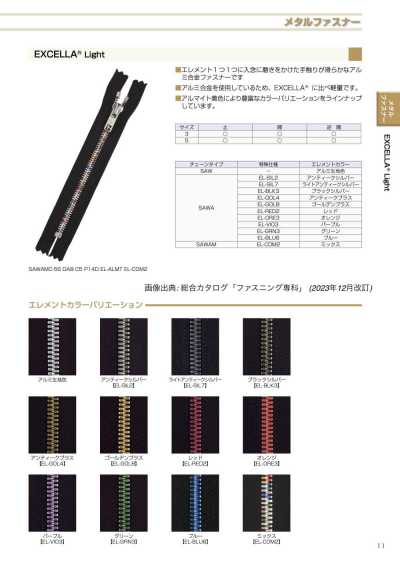
The oxide film created by the process has microscopic pores. When coloring is performed, dyes or similar materials are added to these pores and then stabilized by sealing. For this reason, anodized coloring is one of the standard methods for adding color to aluminum parts.
Color tone, gloss, and appearance vary depending on the film thickness, pretreatment, alloy type, and coloring method. Even with the same color name, the impression may differ depending on the lot or part shape, so visual color confirmation with the actual item before mass production is important.
Applications in Zippers and Hardware
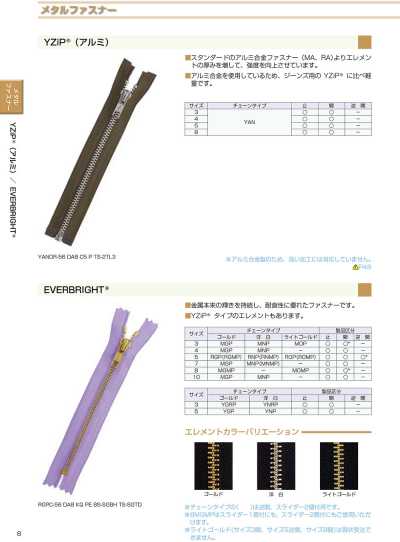
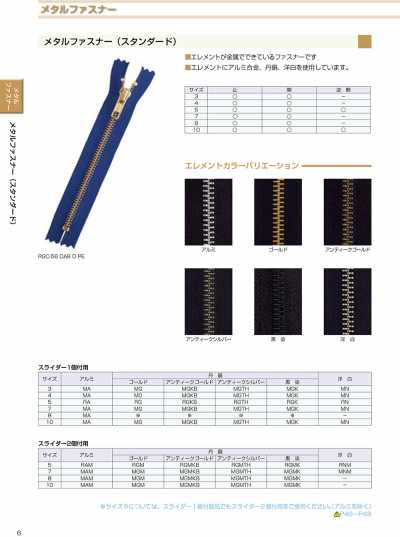
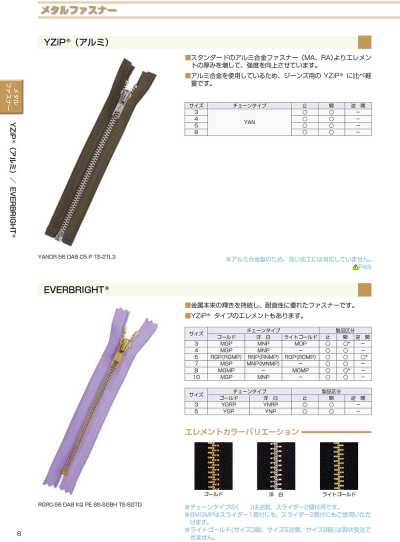
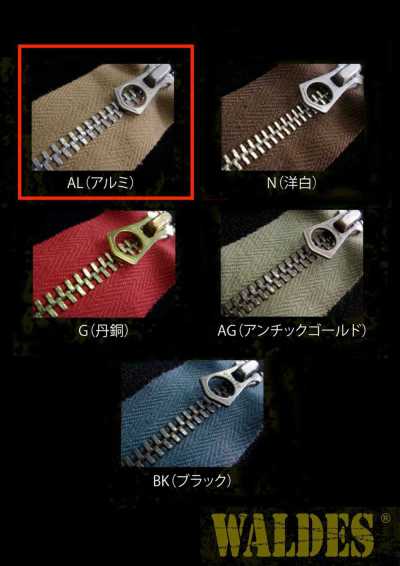
For aluminum teeth and pull tabs, anodizing allows color to be added while maintaining a metal-like texture. It is adopted for clothing, bags, outdoor goods, and other products where light weight is important, balancing design and weight.
However, anodizing does not refer to the overall type of zipper or its opening/closing specification. It is a term that indicates the surface treatment and color finish of aluminum parts, separate from categories such as coil zippers, metal zippers, and open-end zippers.
- Teeth are the elements that interlock on the left and right.
- A pull tab is the part pinched by hand to move the slider.
- A slider is the part that engages or separates the teeth.
Selection and Handling Precautions
When selecting, confirm that the part material is aluminum, the desired color tone, the usage environment, and the combination with the matching textile and other metal parts. In applications where there is strong friction or where moisture, sweat, or chemicals are likely to come into contact with the part, appearance and durability must be checked using prototypes.
During sewing, take care not to let the sewing machine needle hit the teeth or slider. During washing or garment washing, the appearance may change depending on detergents, bleach, and processing conditions, so pretests should be performed on the finished product including accessories.
Differences from Similar Terms
Anodic oxidation is a technical term referring to nearly the same process principle as anodizing. Anodizing is the name commonly used in Japan in the apparel and hardware fields. Electroplating, on the other hand, is a process that applies a metal film, and differs from anodizing, which grows an aluminum oxide film.
Painting is a finish that forms a coating film on the surface, and its process and appearance tendencies differ from anodized coloring. When specifying color, do not judge only by the process name; include the color sample, gloss, whether it is matte, and the target part in the specification sheet.
Frequently Asked Questions
What is the difference between anodizing and plating?
Anodizing is a process that oxidizes the aluminum surface to form a film, while plating is a process that applies a film of another metal to the surface. Both affect appearance and corrosion resistance, but the base material, film properties, and resulting color and texture differ.
Can anodized hardware be washed?
Whether washing is possible is determined not only by the anodizing specification but also by the part structure, coloring method, the textile it is combined with, other accessories, and washing conditions. It is important to conduct product tests assuming washing, friction, sweat, and similar conditions before mass production.