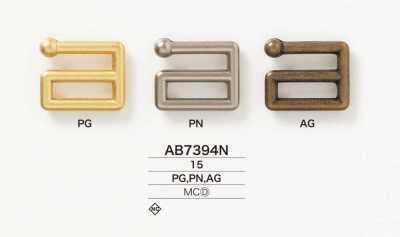
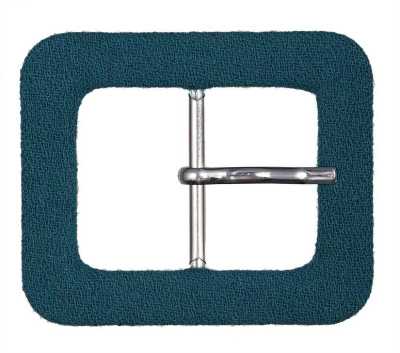
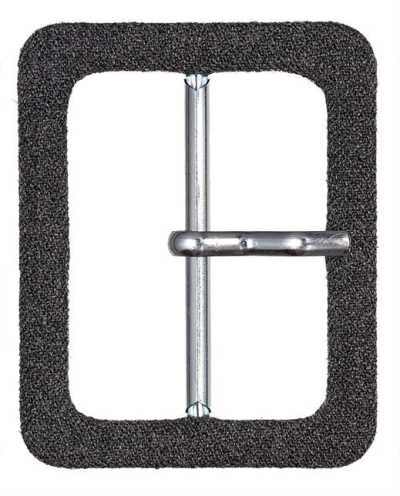
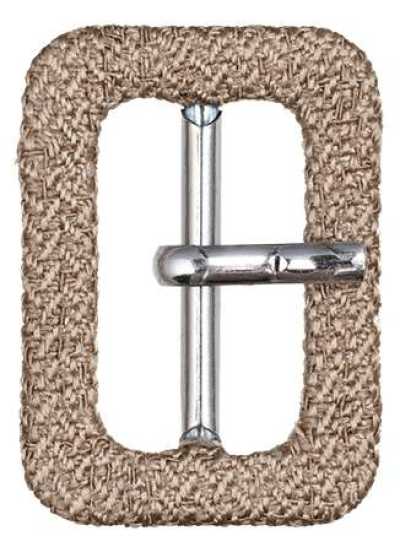
Fixed Keeper And Sliding Keeper
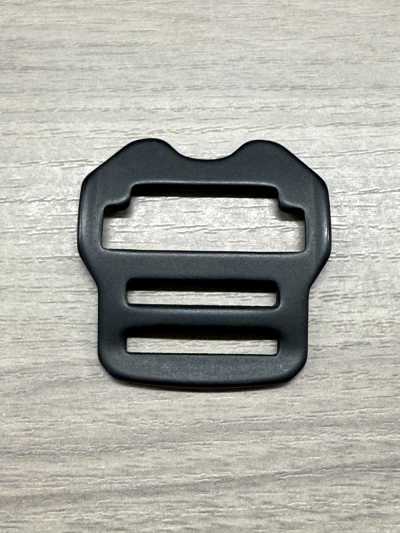
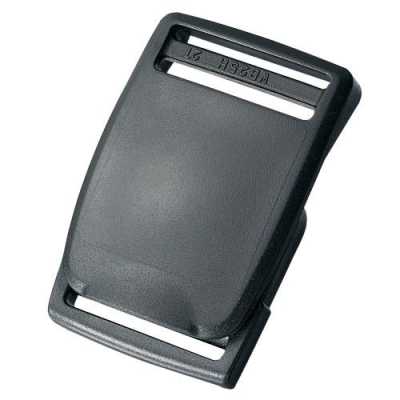
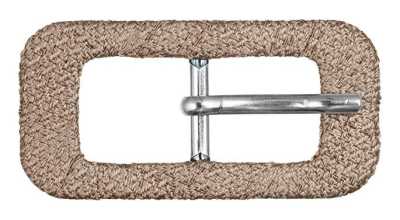
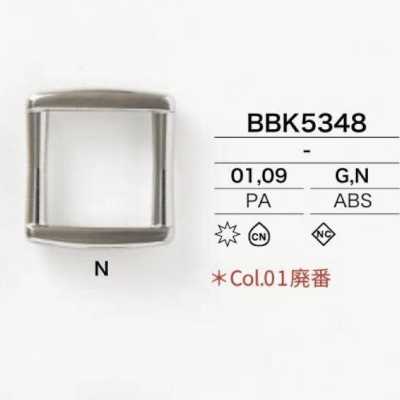
Fixed keeper and sliding keeper are ring-shaped components used to secure the tip end of a belt and prevent it from flapping, and is a collective term for a fixed keeper attached to the belt body and a sliding keeper that can be moved.
Contents6 sections
Definition and overview
Fixed keepers and sliding keepers are ring-shaped components used to hold down the excess tip of a belt after it is fastened with a buckle. A fixed keeper is attached near the buckle and secured to the belt body, while a sliding keeper is threaded onto the belt so its position can be moved.
A sliding keeper is also called a loop keeper. It stabilizes the pointed end of the belt and helps prevent sagging or snagging while worn. It is also a component that helps neaten the appearance of the belt, so it is selected from both functional and design perspectives.
Materials and structure
For leather belts, it is common to use a narrow strip made from the same leather as the belt body or a similar material, formed into a ring. In addition to sewn rings, there are structures made by folding back and bonding or sewing, as well as molded resin and metal types.
A leather sliding keeper blends well with the belt, but repeated friction is applied to the folded section and seams. Metal and resin types are better at maintaining their shape, but it is necessary to confirm that the corners will not damage the belt surface.
- Types made by forming leather, synthetic leather, or similar materials into a ring
- Metal types such as brass, zinc alloy, and stainless steel
- Resin types molded from polyacetal and similar materials
How to indicate size
The size of fixed keepers and sliding keepers is generally checked based on the inside dimension through which the belt or tape passes. The basic rule is to match the stated inside dimension to the width of the belt or tape being threaded. Caution is needed because the ease of threading cannot be judged by the outside dimension alone.
Even with the same compatible width, the threading feel changes depending on the belt thickness, leather firmness, edge thickness, and overlap of seam allowances. Since a sliding keeper moves during wear, confirm ease of threading and holding performance with a prototype close to the actual belt specifications.
Main applications
They are used for narrow to medium-width belts for pants, skirts, and dresses, as well as bag straps, decorative belts, and belts for uniforms and workwear. Depending on the application, some cases prioritize appearance, while others prioritize retention and durability.
A fixed keeper is placed near the buckle to receive the pointed end, while a sliding keeper is moved toward the pointed end to hold down the excess. For belts with a large adjustment range, the movement range and number of sliding keepers are considered during the design stage.
How to choose and points to note
Select the inside dimension and shape that suit not only the belt width, but also its thickness, stiffness, and surface finish. If the inside dimension is too small, threading becomes difficult; if it is too large, the sliding keeper can shift more easily. For sewn-on fixed keepers, also check the sewing position and seam strength.
For metal types, check the weight, the durability of plating or coating, and the possibility of rust or discoloration due to moisture and sweat. For products that undergo needle detection, it is important to confirm in advance whether metal components can be used and whether they will respond to the detector under the production conditions.
The term swivel clip may refer to a ring-shaped fitting used to pass a belt or strap through, but fixed keepers and sliding keepers are specifically names for components used to hold the pointed end of a belt. Their role also differs from belt loops sewn onto the garment body to pass a belt through.
Frequently asked questions
How are fixed keepers and sliding keepers used differently?
A fixed keeper is secured to the belt body near the buckle to stabilize the position that receives the pointed end. A sliding keeper is threaded onto the belt so it can move, then shifted toward the pointed end to hold down the excess. In general, both are used together to suppress flapping of the pointed end.
Should the inside dimension of a sliding keeper be the same as the belt width?
The inside dimension should be based on the belt width, but matching the width alone is not enough. The threading feel changes depending on the belt thickness, the bulge of seams and ends, and the hardness of the material. Check ease of threading and retention against shifting during use with a specification close to the actual product.
What should be considered when choosing a metal sliding keeper?
In addition to the compatible tape width and thickness, check the smoothness of the corners, weight, and abrasion resistance of the surface treatment. For applications exposed to sweat or moisture, consideration for rust and discoloration is also necessary. For products that undergo needle detection, also confirm in advance the compatibility of the metal used and the needle-detection conditions.
- Search products for "belt"
- Products with material "Leather"
- Products with material "Synthetic Leather"
- Products with material "Brass"
- Products with material "Stainless Steel"
- Products with material "Metal"
- Products with material "Polyacetal"
- Products for style "For Pants"
- Products for style "For Skirts And Dresses"
- Products for style "For Bags"
- Products for style "For Uniforms/Workwear"
- Browse Buckles And Rings products