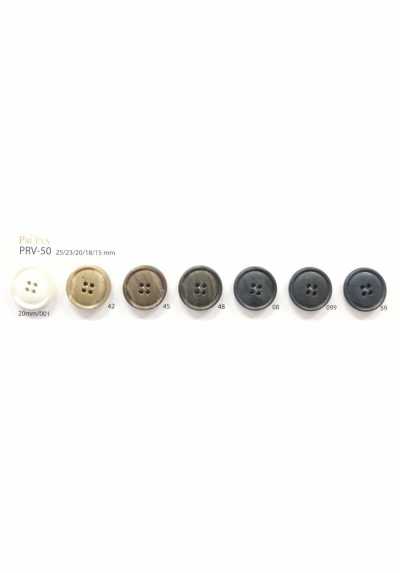
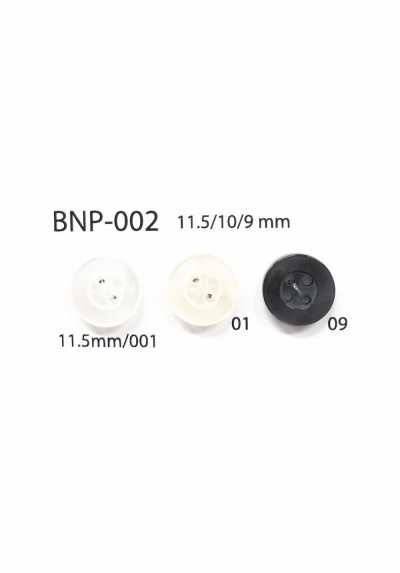
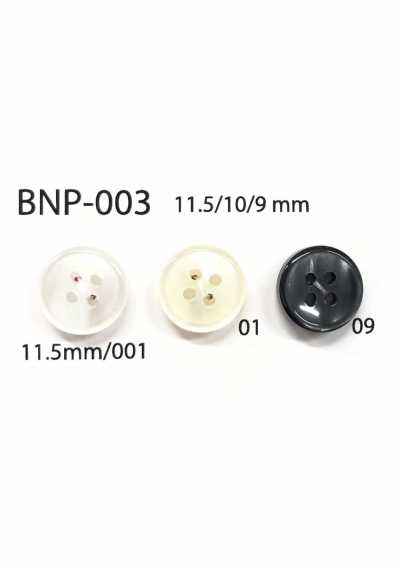
Biomass Plastic
Biomass plastic is a plastic that uses all or part of renewable bio-based resources such as plants as raw materials, and is a resin material also used for garment buttons.

Contents6 sections
Definition and Overview
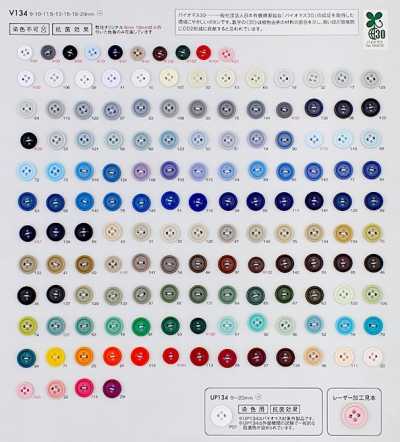
Biomass plastic is a general term for plastics that use plant-derived raw materials rather than relying only on fossil resources such as petroleum. For buttons, its moldability is used to develop a wide variety of shapes, colors, and surface finishes, just like ordinary resin buttons.
It is a term that indicates the raw material is bio-based, and it does not necessarily mean the product will naturally decompose after use. Biodegradability, recyclability, and the use of recycled materials are evaluated separately, so each should be checked individually.
Materials and Structure
Biomass plastic is not a single resin name; it includes bio-based polyester, polyethylene, nylon, and urea resin. Depending on the formulation and molding conditions, hardness, gloss, heat resistance, chemical resistance, and dyeability vary.
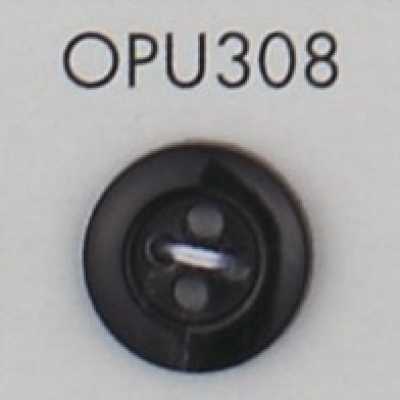
Button structures include holed styles such as two-hole, four-hole, and cat-eye, which have holes on the surface, as well as shank styles that are attached by threading through the back shank. Even if the material is biomass plastic, the hole or shank specification is chosen according to the design and application.
- Flat holed buttons may be used for lightweight shirts and blouses.
- For jackets, coats, dresses, and similar items, shank styles that make it easier to create thickness and three-dimensional form are also an option.
- The durability of a button depends not only on the type of resin, but also on the thickness, the shape of the shank base, and the sewing method.
Size Indication
Button size is expressed by diameter in millimeters, and also in lignes. Lignes are a traditional unit used for a button's outer diameter, and when placing an order, checking the correspondence between ligne notation and millimeter notation helps prevent specification mistakes.
For holed buttons, in addition to the outer diameter, check the hole size, hole spacing, and thickness. For shank buttons, check the outer diameter, overall height, and inner diameter of the shank, and consider the thickness of the sewing thread to be used, fabric thickness, and balance with the buttonhole.
Main Uses and Selection
Biomass plastic buttons are used for shirts, blouses, cardigans, dresses, jackets, coats, kids' clothing, and more. Based on the feel of the garment material, washing method, and environmental considerations required for the trim, select the shape and resin performance.
When reflecting environmental considerations in specifications or labeling, confirm the biomass content ratio, raw material details, and whether certification is available in supplier documents. It is important not to judge the bio-based ratio or the overall environmental impact of the product from the name biomass plastic alone.
Attaching and Handling Notes
Holed buttons are attached by running thread back and forth through the holes, and if necessary, a thread shank is wrapped at the base to create space between the button and the fabric. Shank buttons are attached by passing thread through the shank. On lightweight fabrics or areas subject to stress, adding a backing button on the reverse side can help reduce fabric tearing and button wobble.
Resistance to washing, dry cleaning, and ironing is not determined uniformly by whether the material is bio-based. Directly applying a hot iron to the button, strong impact, or contact with chemicals may cause deformation, cracking, discoloration, or changes in gloss. Before commercialization, washing tests, dry cleaning tests, and pressing tests are performed with the main fabric and trim combined.
Frequently Asked Questions
Do biomass plastic buttons biodegrade?
They do not necessarily biodegrade. Biomass plastic mainly indicates the origin of the raw material, and biodegradability varies depending on the usage environment and the type of resin. Since it does not necessarily indicate decomposition in soil or seawater, the required performance should be confirmed in individual documents.
Can biomass plastic buttons be washed in the same way as ordinary resin buttons?
Washability is not uniform. Appearance and strength can be affected by the type of resin, formulation, whether it is dyed or coated, detergents, and drying temperature. Before mass production, combine the main fabric and trims and test them under the intended washing, drying, and dry-cleaning conditions.
Should button size be specified in lignes or millimeters?
Either notation may be used, but it is important to standardize the notation in planning documents, trim orders, and supplier materials. By listing millimeters as well as lignes and confirming the outer diameter, thickness, and hole or shank specifications, you can reduce differences in understanding between samples and mass production.