Black Nickel
Black nickel is a nickel-based plating finish with a dark tint applied to the surface of metal buttons and similar items, giving them a subdued metallic sheen.
Contents6 sections
Definition and Overview
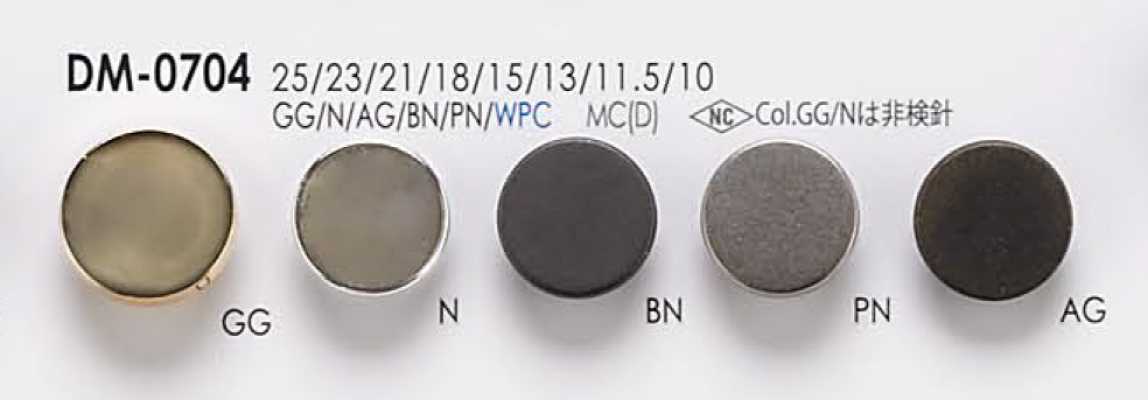
Black nickel is a plating finish that makes the surface of metal buttons appear black to deep gunmetal. It is not a term for the material name or the button shape, but is used as a name for the surface tone and texture. In product numbers and color descriptions, it may also be expressed by the initial letters of black nickel.
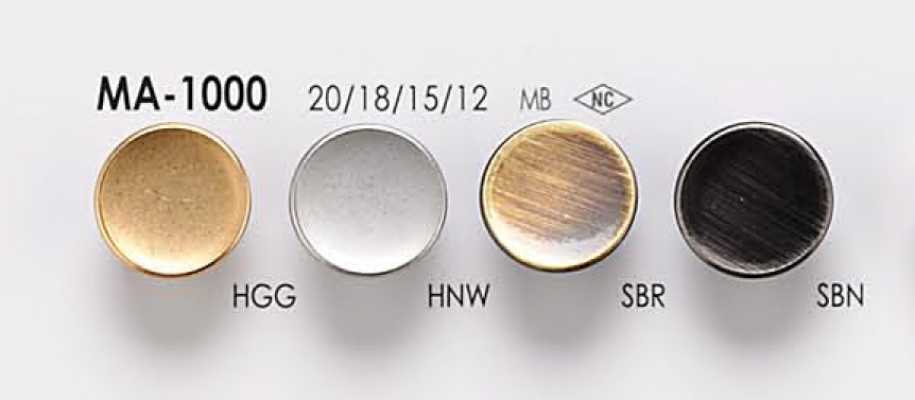
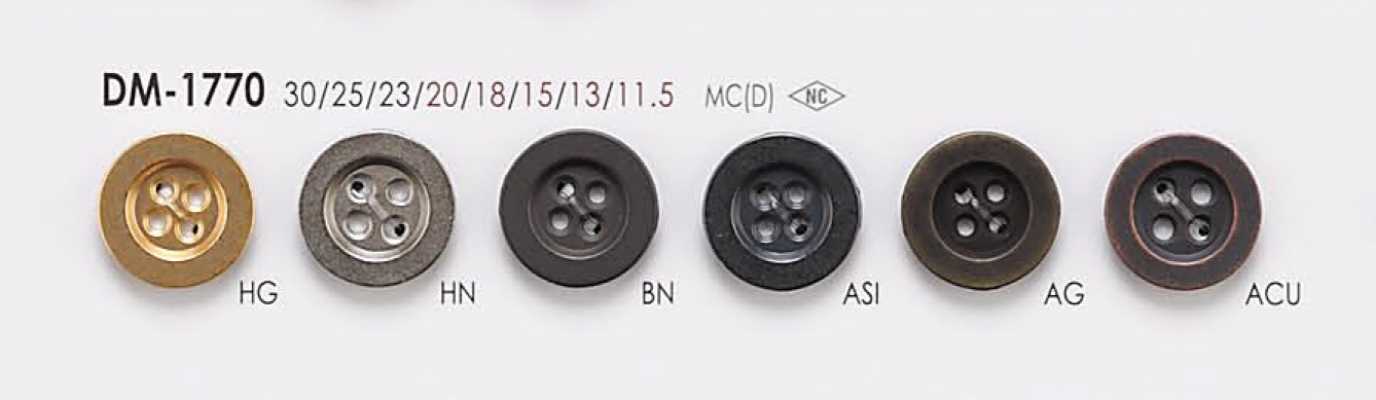
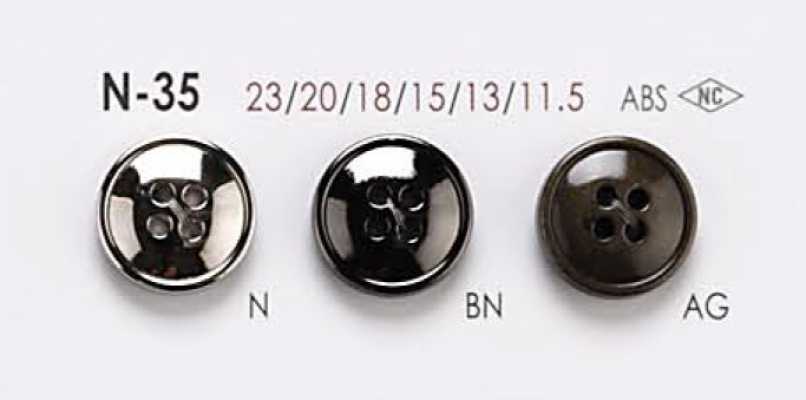
The strength of the gloss, degree of blackness, and slight blue or brown undertones vary depending on the base metal, plating process, and final finish. Because the appearance differs even with the same black nickel description, it is important to check compatibility with the fabric using an actual sample before mass production.
Materials and Button Structure
Black nickel is mainly applied to the surface of metal buttons. The button body may be made of brass, zinc alloy, or similar materials, and black nickel is added as a finish to refine the appearance on top of these base materials.
For sew-through buttons, there are two-hole, four-hole, and cat-eye types; for shank buttons, there are tunnel shank and ring shank structures. Black nickel does not limit the shape of these holes or shanks. Choose a structure that suits the sewing specification, thickness, and buttonhole size.
- Sew-through types are used for shirts, jackets, pants, and similar items.
- Shank types make stitches less visible on the surface and are used for coats and decorative garments.
- On the edge, stamped areas, and recessed areas, the tone may appear different depending on how the light hits it.
Size Indication and Main Applications
Button size is generally indicated by diameter in millimeters or lignes. Lignes are a sizing unit for buttons; when ordering, avoid mixing up ligne and millimeter notation, and confirm the outer diameter using drawings or the actual item.
Black nickel is selected when you want the button to blend into black or dark-colored fabric while still retaining a metallic look. It is used as a fastening or decorative element on jackets, coats, blousons, pants, denim items, uniforms, bags, and similar products.
How to Attach and Handling Precautions
Sew sew-through buttons on with button sewing thread, and add a thread shank if necessary. A thread shank is a process that creates a thread stem between the button and the fabric, making it easier to fasten the button on thick fabrics and plackets. For shank buttons, pass the thread through the shank hole and secure it firmly so the base does not move.
Depending on the effects of washing, dry cleaning, sweat, moisture, friction, chemicals, and similar factors, the plated surface may become dull, discolor, or wear down. Follow the product's care label, and during washing, turning the garment inside out and placing it in a net can help reduce contact with other metal parts and lessen scratches.
When ironing, avoid the button or use a pressing cloth to prevent direct high heat or strong pressure. Since areas where the plating has peeled off may reveal the base color, check washing tests, dry-cleaning tests, and abrasion tests in advance with the chosen button and product conditions.
Differences from Similar Terms
Black nickel refers to a black-toned plating color, while nickel-free refers to a specification regarding the use of nickel. Even if something is finished in black nickel, it is not necessarily nickel-free, so it is necessary to check each separately when considering metal allergies or procurement specifications.
Antique finishing is a finish that creates an aged appearance through uneven coloring or a smoked effect. Black nickel also has a subdued look, but whether it is antique-style or a uniform black tone is a different specification. Also, metal button is a material classification, while black nickel is a surface finish classification.
Frequently Asked Questions
Do black nickel and nickel-free mean the same thing?
No, they do not mean the same thing. Black nickel is mainly a plating finish that indicates the color tone of the appearance, while nickel-free is a specification related to the use of nickel. Whether a part labeled black nickel is nickel-free should be confirmed in the individual specification sheet or inspection documents.
Can black nickel buttons be machine-washed at home?
Whether home washing is possible cannot be determined by the black nickel finish name alone. Durability varies depending on the button's base material, plating specification, fabric of the garment, detergent, and washing method. Before adoption, carry out washing tests suited to the product conditions and handle the item in accordance with the garment's care label.
Is it okay to iron black nickel buttons?
Avoid applying a hot iron directly to the button surface. Heat and pressure may change the surface gloss or make scratches more noticeable. Iron around the button or use a pressing cloth, and check the finish in an inconspicuous area before proceeding.