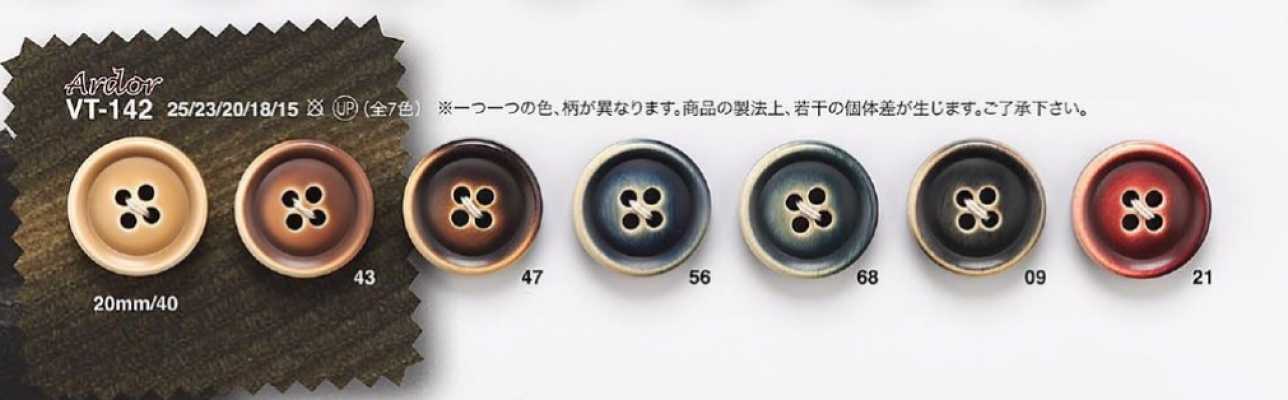
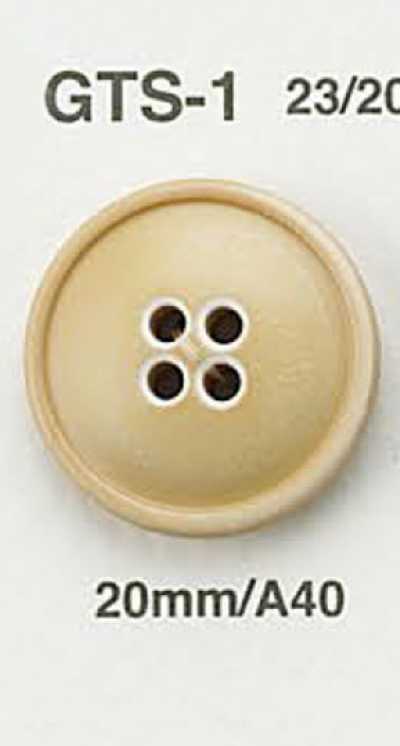
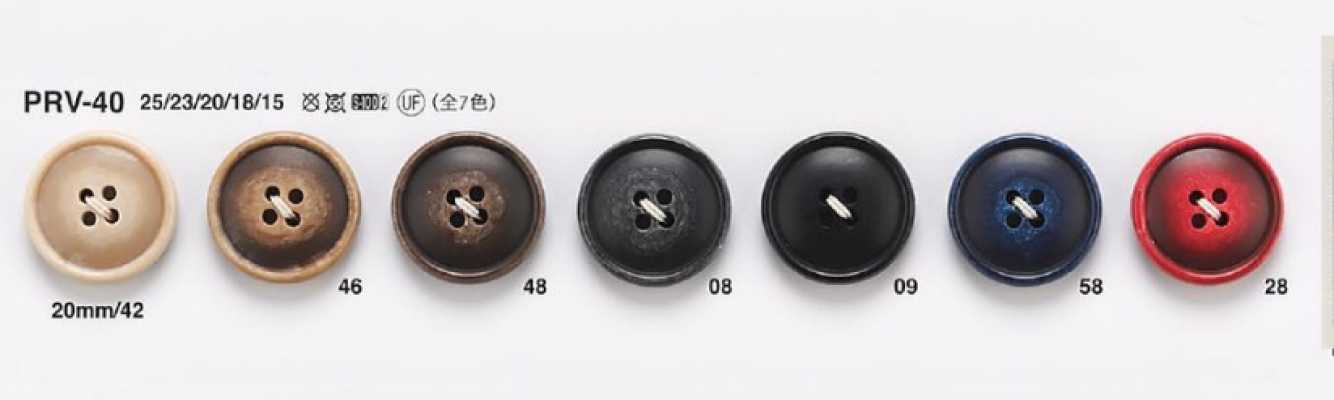
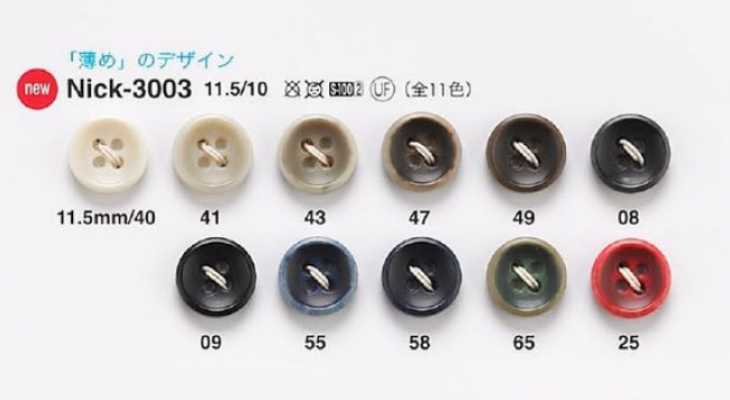
Bone Button
Bone buttons are natural-material buttons made mainly by carving animal bones such as cattle bone. They make use of natural color variation and a hard texture, and are used for shirts, jackets, coats, and more.
Contents6 sections
Definition and Overview
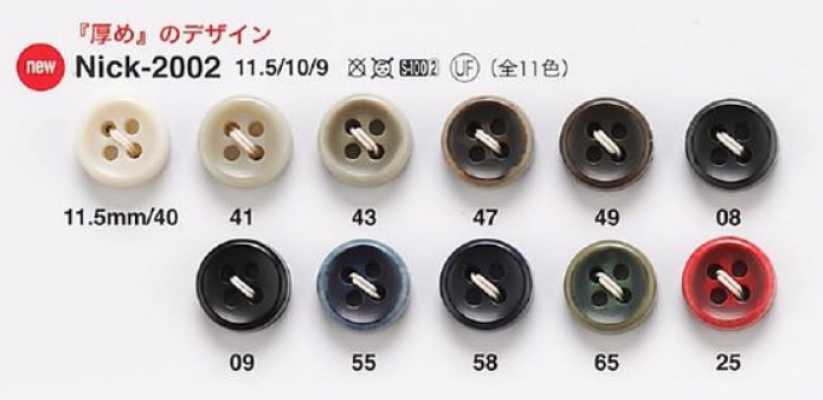
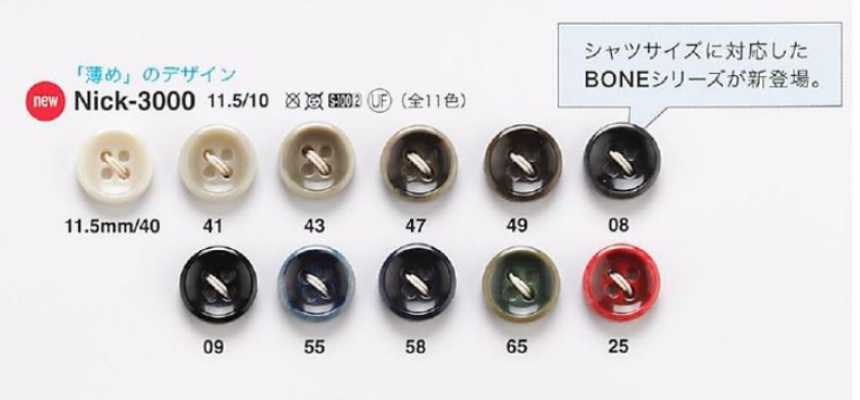
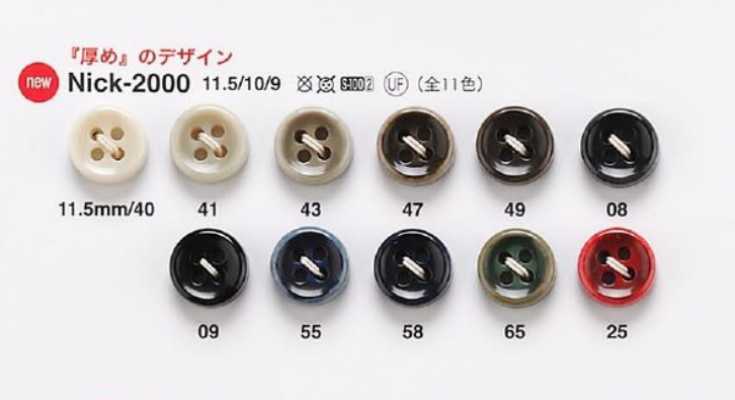
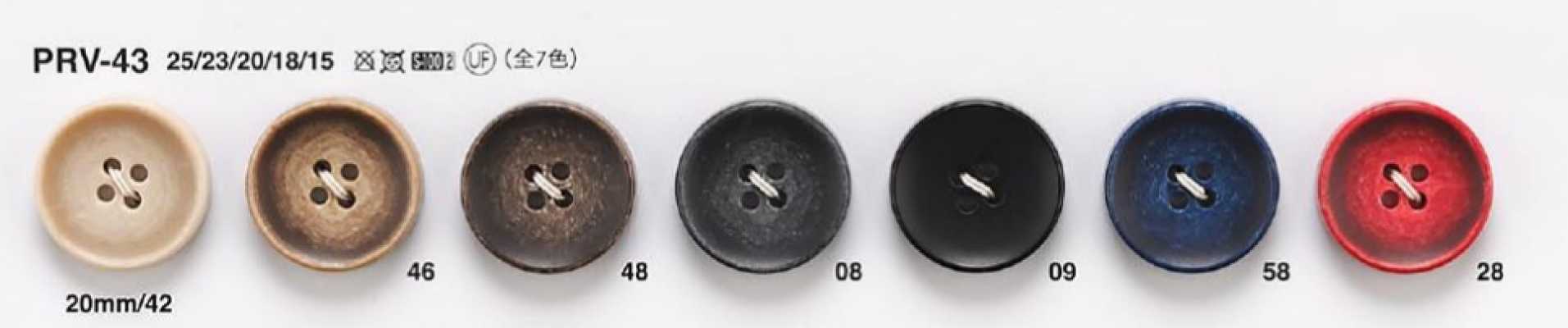
Bone buttons are buttons made from natural material derived from animal bones. Many are made from cattle bone, and when the material is specified clearly, they may also be called cattle bone buttons. Their characteristics include color tones ranging from white to milky white to amber, fine speckling, and changes in appearance over time.
Unlike resin buttons, they are not easily uniform in appearance, and their individual differences are treated as part of their natural texture. They are available with a polished glossy surface, a subdued matte finish, or with dyeing or carving.
Material and Structure
Bone is hard, but it can break from a strong impact or localized force. Thickness, the thickness around the holes, and the tightness of the thread when sewn on all affect durability in actual use. Natural fibrous patterns, microscopic pores, and color variation may be visible.
Common shapes include flat two-hole and four-hole buttons. Cat's-eye buttons, with a groove between the holes, keep the thread from showing on the surface and help reduce abrasion. There are also shank buttons with a shank for threading on the back, which are used for thick fabrics or designs that need more dimensionality.
- Two-hole and four-hole: A style sewn directly to the fabric by passing thread through the holes.
- Cat's-eye: A style with holes in a central groove, allowing the sewing thread to sit neatly.
- Shank: A style with a shank on the back for threading, making the sewing thread less visible on the surface.
Size Description
Button diameter is expressed in mm as well as lignes. Ligne is a traditional unit used for buttons, and 1 ligne is approx. 0.635 mm. When ordering, checking not only the ligne size but also the actual diameter, thickness, and hole size helps prevent misunderstandings.
The appropriate size depends on the intended location of use, such as the front placket or cuffs, the fabric thickness, the buttonhole length, and the design. Buttonholes should be set with the button thickness in mind, and opening and closing should be checked with the actual item before mass production.
Main Applications and Material Selection
Bone buttons are used for shirts, blouses, jackets, vests, coats, and other items that make use of a natural, rustic, vintage, or classic look. They are sometimes combined especially well with fabrics that have a natural appearance, such as cotton, linen, and wool.
Real buffalo horn buttons are made from buffalo horn and differ from bone buttons in both material and appearance. Real buffalo horn is characterized by deep black or brown tones and a translucent quality, whereas bone buttons are mainly white to light-toned. Shell buttons are distinguished by their nacreous luster.
Attaching and Handling Precautions
For flat hole buttons, sew them on with a slight thread shank between the button and the fabric, and add a thread wrap at the base if necessary. When the fabric is thick or overlaps at the front placket, adjust the thread shank length so the button can span the fabric without strain. Overtightening can stress the area around the holes.
Suitability for washing, dry cleaning, and ironing should be judged not for the bone button alone but based on the specifications of the finished product and the test results for all components. Long soaking, strong alkaline detergents, bleach, dryer heat, and impact with hard objects can cause discoloration, cracks, or breakage. Do not apply the iron directly to the button; avoid the button when pressing.
Frequently Asked Questions
What is the difference between bone buttons and real buffalo horn buttons?
Bone buttons are made mainly from animal bone and are characterized by a natural appearance ranging from white to pale amber. Real buffalo horn buttons are made from buffalo horn and show dark black or brown tones and translucency. Because the material, color tone, and visual impression differ, the material name should be written separately in specifications.
Can bone buttons be machine washed at home?
Whether home washing is possible cannot be decided uniformly for bone buttons alone. It should be verified by washing tests together with the garment fabric, dyeing, and sewing specifications, and the product's care label should be followed. During washing, it is common to turn the garment inside out, place it in a laundry net, and reduce contact with other hard accessories.
How should the size of bone buttons be specified?
Specify the diameter in lignes or mm, and also list the thickness, number of holes, hole diameter, and shape. Ligne is a unit in which 1 ligne is approx. 0.635 mm. Since compatibility with the buttonhole is not determined by diameter alone, it is important to verify the actual item, including thickness.