


Bourette
Bourette is silk spun yarn made by spinning short fibers that are difficult to turn into raw silk, or a silk fabric made with that yarn, characterized by nep and a rustic look.
Contents6 sections
Definition and Overview
Bourette refers to silk spun yarn made by spinning short silk fibers, unlike raw silk, which can be taken from cocoons as long continuous filaments. It is also used as the name for woven fabrics made with that yarn. Noil silk and bourette silk are also terms for the same type.
Rather than a fabric name, it is mainly a term that describes the raw yarn and the characteristics of the material. For that reason, the fabric thickness, stiffness, and applications can vary greatly depending on the weave structure such as plain weave or twill weave, yarn thickness, density, blend ratio, and finishing process.
Texture and Function
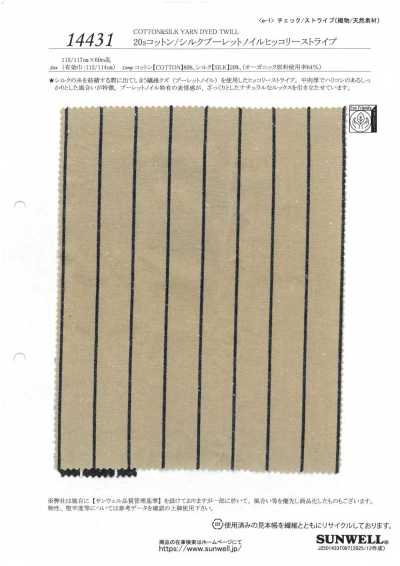
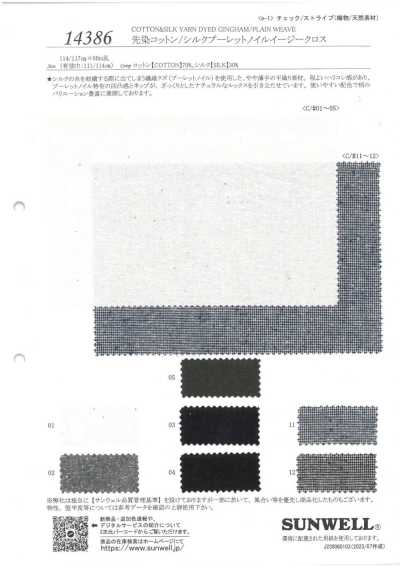
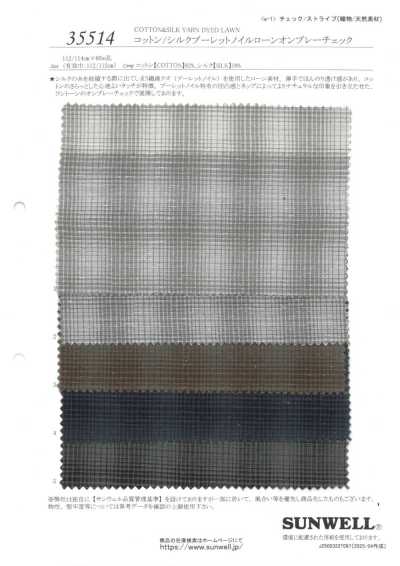
Because the fiber length and thickness are uneven, small nubs called neps and natural irregularities appear on the surface. It has a subdued luster, body, and a dry, rustic appearance, creating a texture different from uniform, smooth raw silk fabrics.
As a silk-based material, it is expected to have moisture absorption and heat retention properties, but the actual wearing comfort depends on the weave structure, fabric weight, blended materials, and processing. The appearance of neps and uneven color is often treated as part of the design, so care is needed in projects that emphasize uniformity.
- It is easy to create a natural, vintage-like surface appearance.
- It has the soft fullness typical of spun yarn.
- Depending on the fabric, fuzziness and fiber nubs may stand out.
Main Uses and Seasons
It is used for shirts, blouses, dresses, skirts, and light jackets. It works well for casual apparel that makes use of neps, designs that seek a natural material look, and products intended for garment washing.
Because it can be designed in a wide range from lightweight to medium-weight fabrics, the season depends on the fabric specification. Lightly woven types are suitable for spring and summer, while denser, heavier-weight types, or those with brushed or washer finish, are also used for autumn and winter.
How to Choose and Handling Notes
When selecting fabric, check the amount and size of neps, sheerness, fabric weight, blend ratio, and shrinkage after washing through swatches and prototypes. To avoid mistaking neps for defects, it is important to share the acceptable range with samples and reflect it in inspection criteria and specifications.
With water washing, shrinkage, wrinkling, and texture changes may occur. Before sewing, carry out water soaking or testing as needed, and confirm the care label and actual care method before mass production. For washing methods, prioritize the material label and the instructions from the fabric supplier.
In sewing, a surface with fuzz or nubs may affect the appearance of the seams. Check the needle, thread, and thread tension on scraps, and prevent seam slippage and puckering. For lightweight fabrics, also pay attention to grain distortion and fraying during cutting.
Differences from Similar Terms
Silk is the general material name for all silk obtained from cocoons. Bourette is a term focused on silk spun yarn made from short fibers, or on the look created by using that yarn, and differs in that it tends to show more nubs and irregularity than ordinary filament silk.
Nep is a term for the state or appearance of nodular bumps seen on the surface of yarn or fabric. In bourette, neps are often a characteristic feature, but not all fabrics with neps are bourette. Neps can also occur in spun yarns other than silk.
Frequently Asked Questions
Are bourette and noil silk the same?
In many cases, both refer to yarn spun from short silk fibers, or materials made with that yarn. However, sales terminology and the yarn usage for each fabric can vary. Check the blend ratio, weave structure, and degree of neps in the product specifications.
Can bourette fabric be washed at home?
Whether it can be water washed is not determined by bourette alone. Shrinkage and wrinkling differ depending on the weave, processing, blended materials, and dyeing. Be sure to check the care label, and during the planning stage, carry out washing tests and confirm dimensional change.
Are neps a fabric defect?
In bourette, neps are often treated as a natural texture resulting from yarn spun from short fibers. However, it is necessary to distinguish them from large nubs, foreign matter, and weaving damage. Set appearance standards with samples and confirm the difference from fabric defects during fabric inspection.





