Prong
A prong is a rod-shaped part that rotates at the center of a buckle and is inserted into a hole in a belt or tape to secure the length.
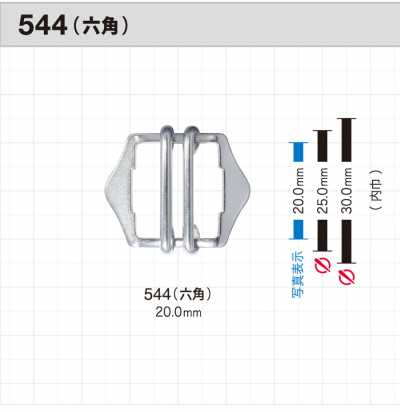
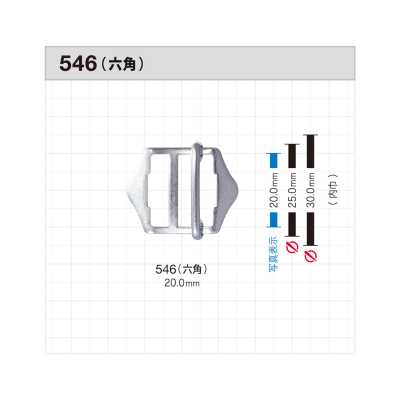
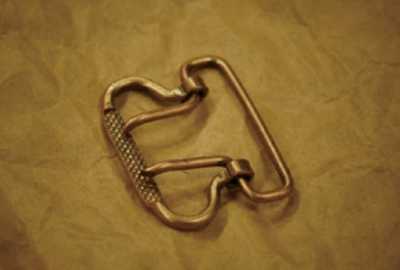
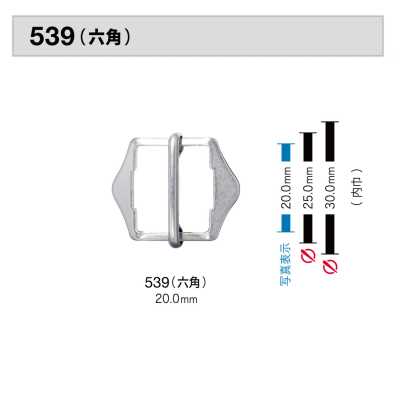
Contents6 sections
Definition and structure
The buckle pin is a movable part found in pin-type buckles. It attaches to a central shaft in the buckle body, and by passing its tip through a hole in a belt or other material, it allows for step-by-step adjustment and fixing of the tightening position.
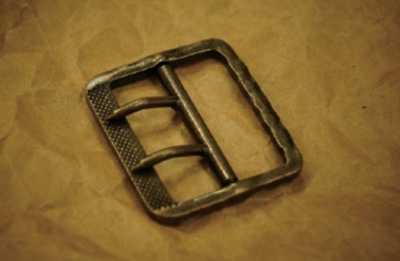
A typical buckle consists of a frame, a central shaft, and a pin. The base of the pin pivots on the shaft, and the tip is shaped to easily fit into a hole. It's important to note that the pin itself is not referred to as the name of the entire buckle.
Materials and finish
The tsuku rod is made from metals such as brass, iron, die-cast metals primarily composed of zinc, and stainless steel. The material, wire diameter, cross-sectional shape, and base structure are selected according to the required strength, weight, appearance, and usage environment.
Metal surfaces may be finished with plating or paint. Because rust, discoloration, and wear of the plating may occur due to sweat, moisture, friction, and washing, we check the corrosion resistance and appearance changes of the main frame and connecting rod.
How to express size
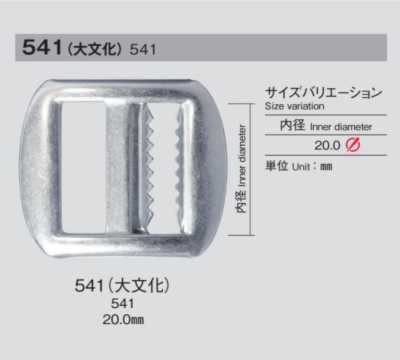
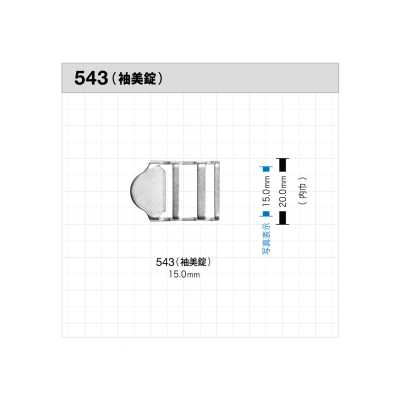
Buckle sizes are often indicated by the inner dimensions of the frame through which the belt or tape passes, i.e., the threading width. The basic rule is to match the threading width with the width of the tape being used, ensuring that it passes through smoothly, including its thickness, and that there is no excessive lateral wobble.
The length of the ferrule alone is not enough to determine suitability. The diameter and length of the holes, the spacing between the holes, and the thickness of the belt material are designed in relation to the thickness of the ferrule and the shape of the tip. If the holes are too small, it will be difficult to thread the belt through, and if they are too large, it will affect the retention and appearance.
- Inner dimensions of the buckle frame and the width of the tape to be used
- Thickness of tape, leather, synthetic leather, etc.
- Thickness, length, and tip shape of the tsuku stick
- Belt hole dimensions, location, and reinforcement method
Main applications
Buckles with a pin are used for belts and prong buckle on trousers, skirts, and coats, as well as for bag straps, aprons, and uniforms. They require adjustment by hole position and are suitable for designs where the buckle is visible.
Depending on the applications, the belt may be pulled forcefully or repeatedly put on and taken off. Even for fashion applications, the weight of the product, the expected load, and any snagging during wear are taken into consideration to create a structure that is less likely to break, deform, or come off the connecting rod.
How to choose and points to note
When selecting a buckle, we verify not only the width of the loop but also that the buckle rod reaches the hole securely and that it can be operated with the correct combination of buckle frame and belt thickness. For thick or rigid materials, hole reinforcement and the precision of hole placement also affect durability and operability.
For products using metal parts, we verify the operation of the metal detection process. The need for needle detector compatible is determined not by the buckle itself, but by the material and specifications of the entire buckle. For products for children, the sharpness of the tip, skin contact, and the risk of detachment or breakage also need to be evaluated.
- Strength against tensile forces and resistance to deformation during use.
- The impact of buckle weight on the product's drape and wearing comfort.
- Checking for rust and discoloration due to sweat, moisture, and washing conditions.
- Whether or not needle detector compatible is required and the inspection method for the entire product.
FAQ
What criteria do you use when choosing the size of the tsuku stick?
First, select the inner dimensions of the buckle frame that match the width of the belt or tape you will be using. Next, check the thickness of the material, the size of the belt holes, and the thickness and length of the buckle pin. Even if the standard width is the same, the operability will change depending on the thickness and hole position, so it is important to check with a prototype.
Are "tsukubou" and "prong buckle" the same thing?
They don't mean the same thing. "prong buckle" is a term that often refers to the entire buckle used to fasten and adjust a belt or similar item, or its specifications. "Pin" refers to the movable pin part that is incorporated into the prong buckle and inserted into a hole to secure it.
Can a buckle with a pin be used for needle detection?
Buckles containing metal pins generally trigger metal detectors. However, the degree of reaction varies depending on the material, shape, and settings of the metal detector. For products requiring needle detector compatible, both the buckle itself and the entire product are checked according to the inspection conditions adopted.
- Search products for "Prong"
- Products with material "Brass"
- Products with material "Stainless Steel"
- Products with material "Zinc"
- Products with material "Iron"
- Products with material "Metal"
- Products for style "For Pants"
- Products for style "For Skirts And Dresses"
- Products for style "For Outerwear/blousons/coats"
- Products for style "For Uniforms/Workwear"
- Products for style "For Bags"
- Browse Buckles And Rings products