Cationic Dye
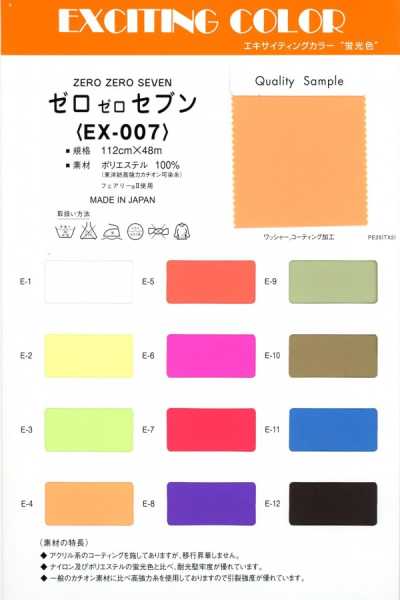
Cationic dye is a dye that carries a positive charge in water and is mainly used to vividly dye acrylic and cation-dyeable polyester.
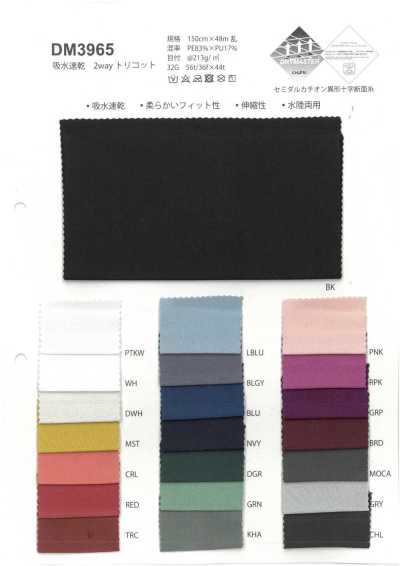
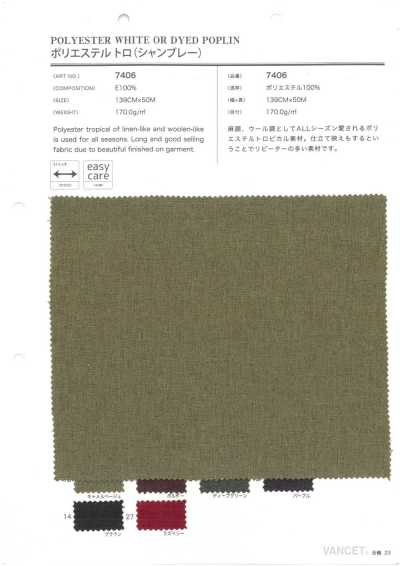

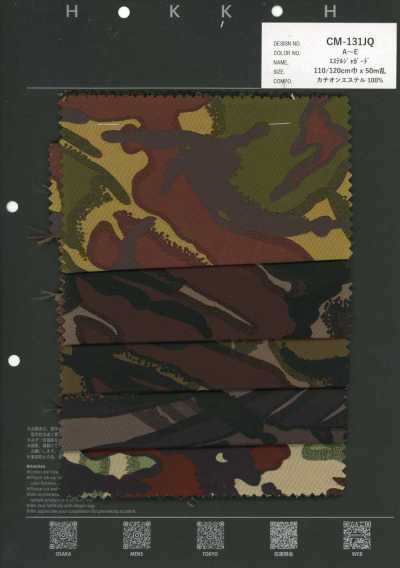
Contents6 sections
Definition and Overview
Cationic dye is a dye that becomes positively charged in the dye bath and bonds with dyeing sites on the fiber side to produce color. Its main targets are acrylic fibers and cation-dyeable polyester that has been modified so it can be dyed with cationic dye.
Basic dye is a name used to refer to cationic dye. Depending on the application or source, it may be written as basic dye, so when checking dyeing conditions for materials, both names should be confirmed.
Characteristics and Appearance
It is easy to obtain vivid colors with a strong sense of depth, and especially with acrylic, its good color development is a key feature. The appearance of the color, luster, and texture such as softness or firmness are not determined by the dye alone, but are affected by the type of fiber, yarn shape, structure, and dyeing and finishing conditions.
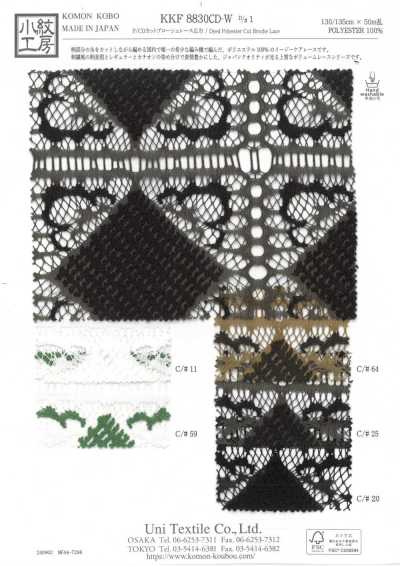
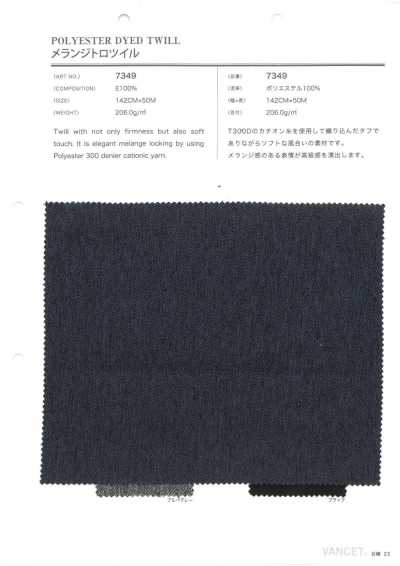
When regular polyester and cation-dyeable polyester are combined, it may be possible to express depth differences or hue differences even when dyed in the same bath. This property is used for heather-like effects and separated-color expressions with reduced two-bath dyeing.
Main Applications
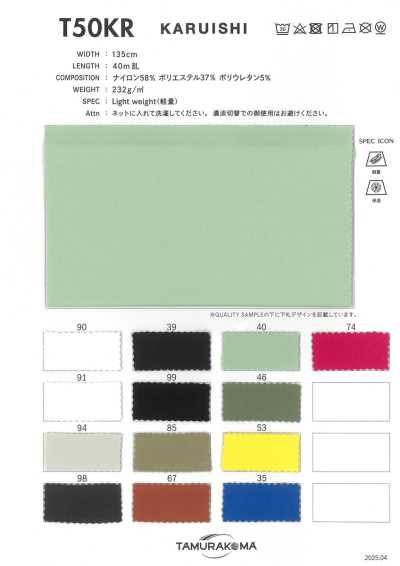
It is used for sweaters, cardigans, blankets, and faux-fur materials made with acrylic. It is also used in woven and knitted fabrics containing cation-dyeable polyester for separated-color materials used in shirts, blouses, dresses, jackets, and sports applications.
Applications are not limited by season, but acrylic knits and brushed materials are often seen in autumn and winter items. On the other hand, lightweight woven and knitted fabrics made with cation-dyeable polyester are also used for spring and summer items.
Selection and Handling Notes
When selecting fabric, check not only whether cationic dye is used, but also the blend ratio, whether cation-dyeable polyester is included, the separated-color design, and the fastness of each color. Fastness cannot be judged uniformly from the dye name alone, so confirm the necessary tests such as rubbing, washing, perspiration, and light resistance according to the application.
Shrinkage is mainly influenced by the fiber, knit or woven structure, and heat setting or finishing, and cationic dye itself does not determine the degree of shrinkage. When product washing, post-processing, steam, or ironing is performed, confirm dimensional change and color change at the prototyping stage.
In sewing, whiteing, abrasion, and color differences around seams may become noticeable in dark-colored items or separated-color fabrics. Set the appropriate needle, sewing thread, and thread tension, and perform sewing and pressing tests. Always follow the washing instructions for each fabric and product.
- In dark-light color combinations, confirm color transfer when wet in advance.
- When combining fabrics from different lots or production periods, confirm color differences.
- For post-processes such as printing, lamination, and fusible interlining, test for color bleeding or migration.
Differences from Similar Terms
Reactive dye is a dye mainly used for cellulose fibers such as cotton, and its suitable fibers and dyeing mechanism differ from those of cationic dye. Disperse dye is mainly used to dye regular polyester.
Cation-dyeable polyester is the name of the fiber, while cationic dye is the name of the dye used to color that fiber. Do not confuse the two; on fabric specifications, check the fiber composition and dyeing method separately.
Frequently Asked Questions
Can regular polyester be dyed with cationic dye?
Regular polyester is generally dyed with disperse dye. To dye with cationic dye, the polyester must be modified to be easily dyeable, such as cation-dyeable polyester. Please check the fabric's blend indication and dyeing specifications.
Is fabric dyed with cationic dye less likely to fade?
Resistance to fading and color transfer is not determined by the dye type alone. It varies depending on the fiber, hue, depth, dyeing conditions, and after-treatment. It is important to check the results of fastness tests such as washing, rubbing, perspiration, and light resistance according to the application.
Does fabric made with cationic dye require special care during sewing?
In separated-color or dark-colored fabrics, abrasion during sewing may cause whiteing or make the area around the seams more noticeable. Before mass production, set the needle size, thread, thread tension, and pressing conditions, and confirm the appearance with sewing and washing tests.