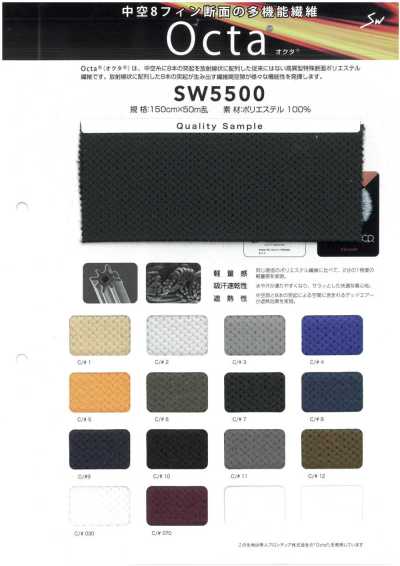
Sharry
Sharry is a general term for woven fabrics made with fine yarns that are lightweight, have a soft feel and good drape, and are also used for printed fabrics.


Contents6 sections
Definition and Overview
Sharry generally refers to a lightweight, relatively low-density woven fabric made with fine yarns. It varies in material, yarn type, and weave structure, and is treated not as a material name or a single weave name, but as a fabric name that expresses lightness and a soft hand.
In many cases, a light fabric based on plain weave is called sharry. In addition to solid colors, there are many printed versions such as floral patterns, and depending on the material composition and finishing, the surface texture, sheerness, and drape can differ greatly.
Features
Sharry is characterized by being thin and light, and by being supple and easy to create a natural drape. The feel against the skin varies by raw material; cotton-based fabrics tend to give a simple, gentle impression, while rayon-based fabrics tend to feel smooth and have a fluid drape.
Because it is a lightweight fabric, lighter colors and lower-density versions may be sheer. Also, since it is not a fabric intended for strong crispness or shape retention, it is suitable for designs that make use of gathers and flares, while interfacing or lining should be considered for a better tailored appearance.
Main Applications
It is used for women’s garments that make use of lightness and movement, such as blouses, shirts, dresses, skirts, and tunics. It also works well with printed patterns, and is used not only for spring and summer garments but also for year-round items intended to be layered.
Because thinness, sheerness, and hand feel vary by type, applications should not be determined by season alone. If you want to reduce sheerness, choose a sufficiently dense or dark-colored fabric, or build in specifications such as lining, a petticoat, or a double-layer construction.
- Blouses
- Dresses
- Skirts
- Shirts
- Printed items for lightweight apparel
Selection and Handling Notes
When selecting, check the blend ratio, fabric weight, sheerness, drape, shrinkage rate, and care label on the actual material. Even with the same sharry name, if the material differs—such as cotton, rayon, wool, or synthetic fiber—the dimensional change after washing, wrinkling, strength, and ease of sewing will also differ.
Before cutting, if necessary, wet the fabric and let it relax to align the grain. Thin, soft fabrics are prone to shifting during cutting and to sewing shrinkage and puckering during sewing, so choose a fine needle and a fine sewing thread suitable for the fabric, and adjust presser foot pressure and thread tension with test stitching.
Washing methods should follow the material and finish. Some fabrics may shrink in water or change hand feel, and some may lose strength when wet, so it is important to carry out product wash tests before mass production and confirm the labeling and dimensional design.
Differences from Similar Terms
Lawn and voile are both lightweight woven fabrics, but lawn is a thin, delicate plain weave, while voile is characterized by a crisp hand due to high-twist yarns. Sharry is less limited in material and structure, and the term emphasizes a thin fabric with softness and drape.
Chiffon is also a light, sheer fabric, but it is generally thinner and more transparent, giving a more delicate impression. Sharry is less opaque than chiffon and may include types that are easier to use for everyday blouses and dresses.
Frequently Asked Questions
What materials is sharry made from?
Sharry is not a name that refers to a specific fiber only. It is made from a variety of materials such as cotton, rayon, wool, and polyester. When purchasing, do not judge by the name alone; check the blend ratio, care label, fabric weight, and hand feel, and choose according to the intended application.
Does sharry shrink when washed?
The tendency to shrink depends on the material, weave density, and finishing process. Thin fabrics containing natural fibers or regenerated fibers may change in dimensions or hand feel after washing. For mass production or sewing projects, it is reassuring to wet the fabric or perform a washing test in advance.
What should you be careful about when sewing sharry?
Thin, soft sharry requires attention to shifting during cutting, sewing shrinkage, and seam puckering. Use a fine needle and sewing thread suited to the fabric, and check thread tension and presser foot pressure with test stitching. If necessary, use interfacing or lining for lightweight fabrics as well.