Cut Jacquard
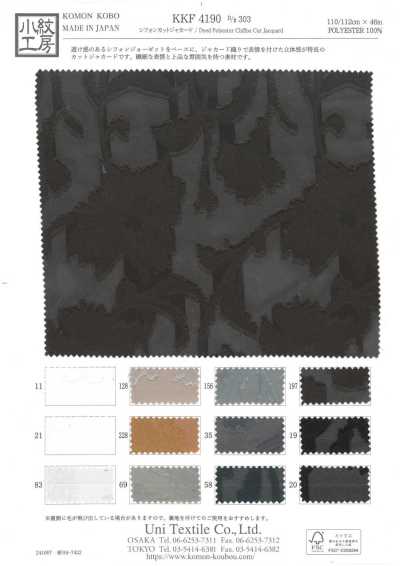
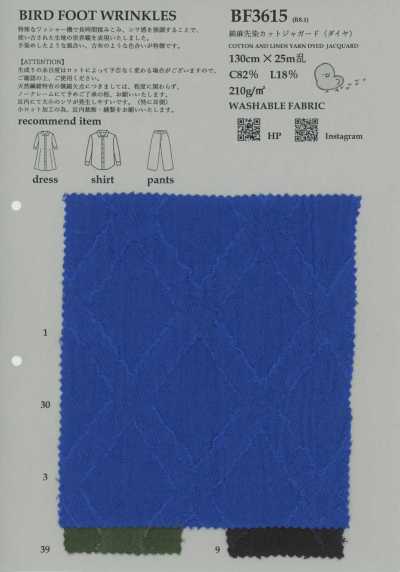
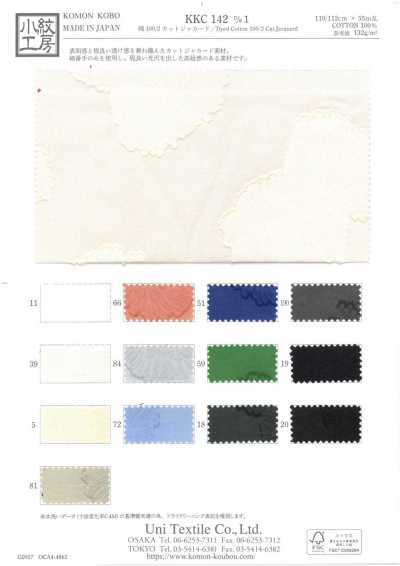
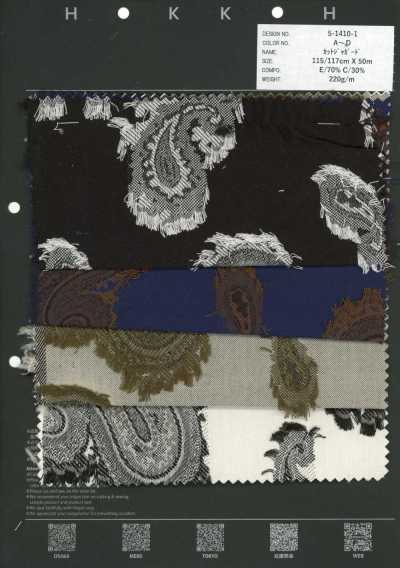
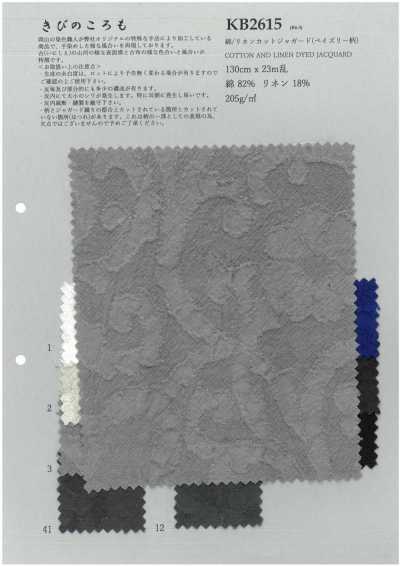
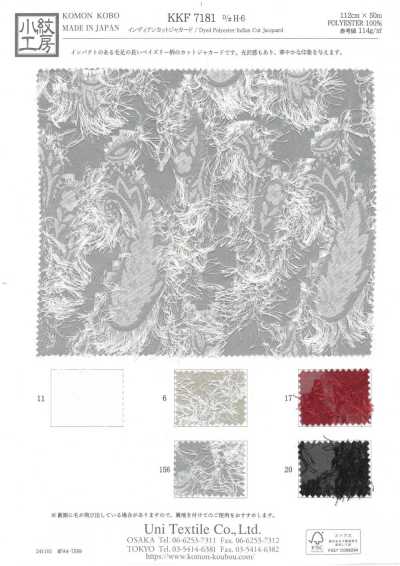
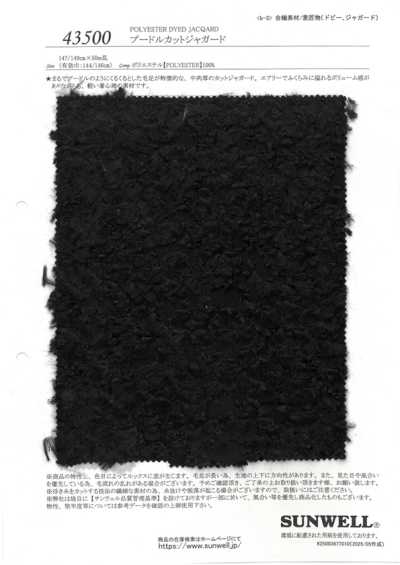
Cut Jacquard is a woven fabric in which floating yarns carried to create the pattern are partially cut, producing fringe-like pile and raised patterns.

Contents6 sections
Definition and overview
Cut Jacquard is a woven fabric in which pattern yarns are floated over the ground weave and woven, then the unnecessary floating yarns are cut to create the design. The cut yarn ends remain on the surface, producing a pile-like or fringe-like texture in dots, stripes, floral patterns, and more.
It is also called cut dobby. Small repeating patterns may be called cut dobby, but the terminology overlaps depending on the production area and planning, so it is important to check the weave structure, pattern size, and how the pile appears.
Texture and visual features
Depending on the material, length, density, and cutting method of the floating yarns, the appearance can range from delicate fuzziness to a pronounced fringe. The contrast with the ground weave creates depth and shadow that are difficult to achieve with printing.
With cotton or rayon, it tends to have a soft, natural look, while polyester or metallic yarns can create a glossy, festive expression. On the other hand, surfaces with cut yarns can snag easily and may become distorted through friction.
- Fabrics with a high pattern yarn density tend to show greater pattern dimension.
- Ground weaves with sheerness create a light, airy appearance.
- Long pile changes the look depending on the direction of the pattern and whether the pile is lying down.
Main applications and seasons
It is used for items where surface texture is a design point, such as blouses, shirts, dresses, skirts, and formal dresses. Subtle dots or stripes are also used for everyday wear, while versions with shiny yarns or long fringe are suitable for occasion wear.
Because it ranges from lightweight to medium-weight fabrics, the application should be determined by the material composition and ground weave. Lightly sheer types may be used for spring and summer layering or sleeves, while medium-weight types with pile may be used for autumn and winter blouses and dresses.
How to choose and handling precautions
When selecting, check the pile length, pattern direction, sheerness, and the strength of the ground weave. Fabrics with dense pattern yarns or long pile may make seam allowances thicker or pull yarn ends into the seam, so it is necessary to confirm sewability with a sample.
During cutting, align the pattern direction and pile direction, and also consider pattern placement between parts. To avoid damaging the cut yarns, be careful about contact with coarse hook and loop and decorative hardware. If the ground weave frays easily, consider the edge finishing method in advance.
Shrinkage and changes in appearance after washing vary depending on the fiber type, yarn twist, and finishing process. Before mass production, perform washing tests to check for pile distortion, tangling, shedding, and dimensional change. For products, it is generally handled by following the care label and turning it inside out and using a laundry net to reduce friction.
Differences from similar terms
Jacquard is a general term for weaving techniques or woven fabrics that express complex patterns through weaving. Cut Jacquard refers specifically to those in which floating yarns are cut to create a pile-like or fringe-like surface effect. Not all Jacquard fabrics have cut yarns.
Dobby often refers to a method or fabric for weaving relatively small repeating patterns, and cut dobby is that pattern yarn cut to create the effect. However, cut Jacquard and cut dobby are sometimes used almost synonymously in practice. Pile is a structure that creates a fuzzy surface with loops or cut yarns, and it differs in construction from cut Jacquard, which cuts the floating yarns in the patterned area.
Frequently asked questions
Are cut Jacquard and cut dobby the same?
Both often refer to fabrics that cut floating yarns to create a three-dimensional pattern or fringe-like surface, and in practice they may be treated as synonymous. However, dobby tends to indicate small repeating patterns, while Jacquard tends to indicate more freely designed motifs. When purchasing, check not only the name but also the pattern, pile, and weave structure.
Can cut Jacquard be washed at home?
Whether it can be washed at home depends on the material, dyeing, pile length, and finishing process. Even when the care label allows washing, it is best to turn it inside out, use a laundry net, and avoid strong friction to reduce tangling of cut yarns and fuzzing. Always follow the product care label.
What should you be careful about when sewing cut Jacquard?
If pile or fringe gets caught in the seam allowance, the seam may look uneven. Before sewing, tidy the yarn ends within the seam allowance, and check the needle, thread, and presser foot pressure with a test stitch. During cutting, align the pattern direction and pile direction, and also manage pattern placement for each part.