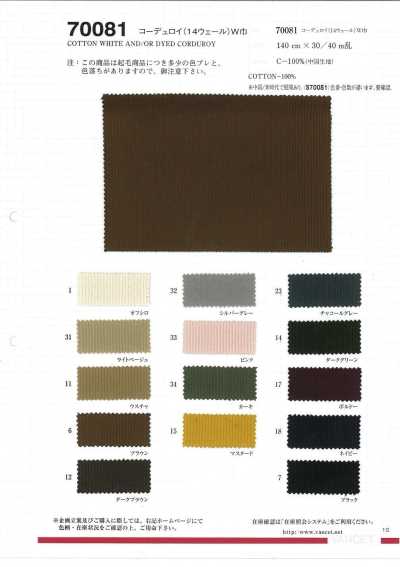
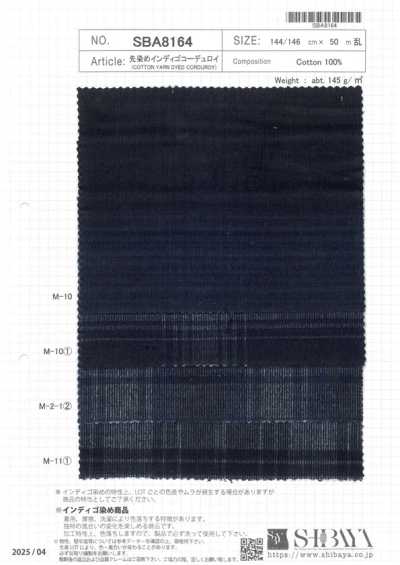
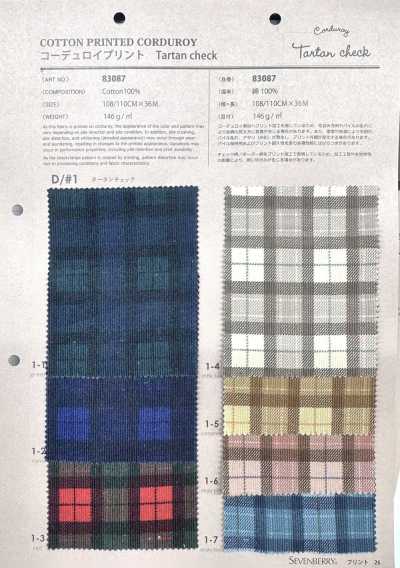
Wide Wale / Fine Wale
Wide Wale / Fine Wale are terms used to distinguish corduroy by the width and number of ridges on the surface: wider ridges are called Wide Wale, and finer ridges are called Fine Wale.

Contents6 sections
Definition and Overview
Wide wale and fine wale are terms used to describe the size of the ridges in corduroy made by cutting the pile. The ridges are called wales in English, and the fewer ridges there are per given length, the wider they appear; the more ridges there are, the finer they appear. Medium wale and extra-wide wale are also terms based on the same idea.
The classification names and numeric boundaries by wale count vary depending on the fabric plan and trading partner. For that reason, it is important not to judge only by the names wide wale or fine wale, but to check the wale width, pile height, fabric weight, and thickness with a swatch.
Features
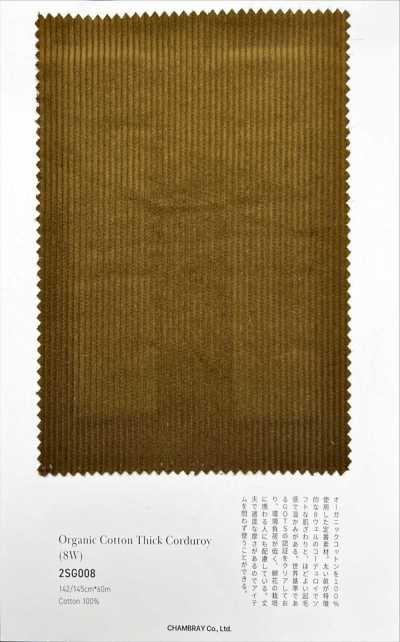
Wide wale is a fabric that shows the shadows of the ridges clearly and is easy to give a three-dimensional look and a casual presence. When the valleys between the ridges appear deep, the color shade changes depending on the direction of the nap, creating a warm appearance.
Fine wale has ridges that are less noticeable and tends to give a more delicate and neat impression than wide wale. Although it varies depending on the material, weave, and finish, it is also used for shirts and blouses in lightweight or light fabric plans.
Because corduroy has a nap based on the direction of the ridges, attention is needed for cutting direction and how it looks after sewing. Depending on the angle of the light and friction during wear, some areas may appear to be a different color.
- Wide wale is suited to designs that make use of the presence of the ridges.
- Fine wale can make use of the refined, light appearance created by the fine ridges.
- In products using stretch yarn, mobility suited to the intended application can be added.
Main Applications
Wide wale is used for fall and winter items such as pants, jackets, blousons, coats, and skirts, where the look of the ridges is meant to stand out. In relatively substantial fabrics, it is a material that pairs well with workwear-inspired and casual designs.
Fine wale is used for shirts, blouses, dresses, skirts, and children’s clothing. Fine ridges blend easily with patterns and small details, and depending on the fabric design, it is used for garments from early autumn through early spring.
How to Choose and Handling Notes
When selecting, in addition to ridge width, check the composition, fabric weight, thickness, stretchability, and nap direction. Even with the same fine wale, strength, quick-drying performance, sheen, and warmth change depending on the composition and finish, such as cotton, polyester, or nylon. Compare according to the performance required for the application.
When cutting, the basic rule is to align the nap direction of all parts. If directions are mixed, it can look like a color difference, so manage this at the spreading and marking stage. During sewing, check the presser pressure and ironing conditions in advance so the pile is not crushed and does not develop fading.
For washing, follow the composition and care label. Items containing natural fibers may shrink when washed, and dark-colored items also require caution regarding color transfer caused by friction. To keep the nap in order, reshape and dry in the shade after washing, and avoid strong pressing with an iron.
Differences from Similar Terms
Corduroy refers to the entire ridged pile fabric, while wide wale and fine wale are classifications based on the size of those ridges. Velvet and velveteen are also pile fabrics, but they generally do not have the clear ridges seen in corduroy.
Wale is a broad term referring to the striped raised-and-lowered texture on the surface of a woven fabric. In wide wale and fine wale, it mainly refers to the ridges of corduroy, but in product categories such as tape, fine wale may also be used as a shape or product name, so the item in question should be checked.
Frequently Asked Questions
How do you distinguish wide wale from fine wale by the number of ridges?
Generally, the fewer ridges there are per given length, the wider the wale width is, and it is classified as wide wale. Items with more ridges have finer vertical lines and are called fine wale. However, the boundary between the names is not fixed, so check the actual wale width of the product.
What should you be careful about when cutting corduroy?
It is important to keep the nap direction consistent across all parts. If the direction differs, even the same fabric can reflect light differently and appear to be a different color. Before cutting, check the face, back, and nap, and estimate the required yardage on the assumption of one-way cutting.
Does corduroy shrink when washed?
The degree of shrinkage varies depending on the composition, weave density, finishing process, and washing conditions. In particular, fabrics containing natural fibers may change, so confirm with a washing test or prewashing before mass production. For finished products, always handle them according to the care label.