Wrinkle Finish
Wrinkle finish is a finishing process that intentionally gives textile irregular or regular wrinkles to create a natural look, a light texture, and a fabric that feels less clingy against the skin.
Contents6 sections
Definition and Overview
Wrinkle finish is a finishing process that intentionally gives woven fabrics, knits, and other textiles a wrinkled, uneven surface. Depending on the material, structure, dyeing method, and processing conditions, the appearance varies, ranging from fine textured grain to large, irregular puckered wrinkles.
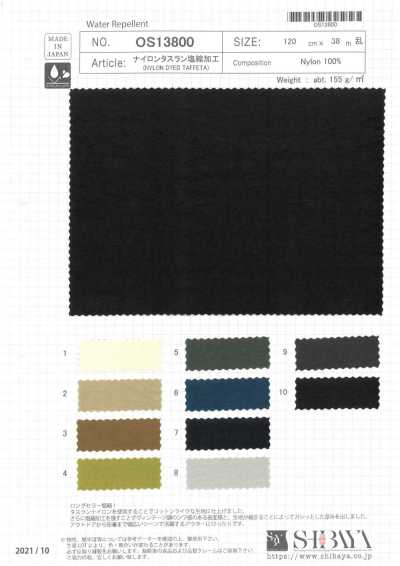
The key point is that these are not wrinkles caused simply by storage or wear, but wrinkles designed as part of the product’s appearance. It is also used to add a natural look after dyeing, and for nylon and polyester it may be used to create a paper-like texture or a cotton-like feel.
Features
Because of the uneven surface, light does not reflect evenly, so even a solid textile can have a sense of depth. Compared with a flat textile, it is easier to create a casual, natural, or vintage-style impression, and depending on the strength of the processing, the perceived firmness and lightness also change.
The uneven surface reduces contact with the skin, so depending on the material and design, it may feel less clingy against the skin. However, wrinkle finish itself does not guarantee absorbency, breathability, quick-drying performance, or similar properties. These should be checked together with the base fabric’s material, structure, fabric weight, and any other functional finishing.
Main Applications
It is used for items that make use of lightness and a natural look, such as shirts, blouses, dresses, and skirts. On thin nylon and polyester fabrics, it is also used for blousons, coats, and pants, where it can add a matte, rough surface feel.
For spring and summer, the lightweight appearance and reduced cling from the uneven surface of thin fabrics are used to advantage. On the other hand, depending on the material and fabric thickness, it can also be used without being limited to a specific season. Applications should not be decided by the finishing name alone; instead, check the fabric thickness, sheerness, drape, and strength before making a decision.
Selection and Handling Precautions
With samples, check the wrinkle size, direction, density, and acceptable range of processing unevenness. Because wrinkle finish tends to show differences in appearance from fabric to fabric, it is important in mass production to check the appearance by roll or lot and share the design acceptance criteria in the specification sheet.
Because the fabric may shrink during processing, check the shrinkage rate and effective width before cutting. Before mass production, conduct a washing test and confirm whether the wrinkle effect changes after washing, and whether dimensional changes or seam puckering stand out. For handling, always prioritize the care label for each material and the instructions from the fabric supplier.
In sewing, the cut line and notches may be hard to see because of the uneven surface. If the fabric is pulled tightly to make it flat, dimensions and appearance may shift between cutting and after sewing. Align the grainline, perform test sewing if necessary, and adjust presser pressure and feed conditions.
- Before cutting, check the shrinkage rate, width, and wrinkle direction.
- Confirm in advance whether ironing or pressing may reduce the wrinkle effect.
- When combining face fabric with interlining or lining, also pay attention to differences in shrinkage after washing.
Differences from Similar Terms
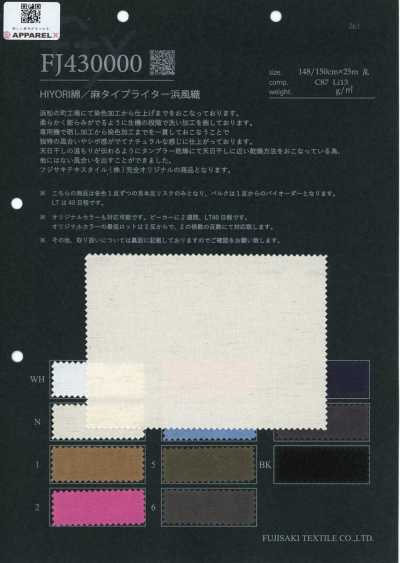
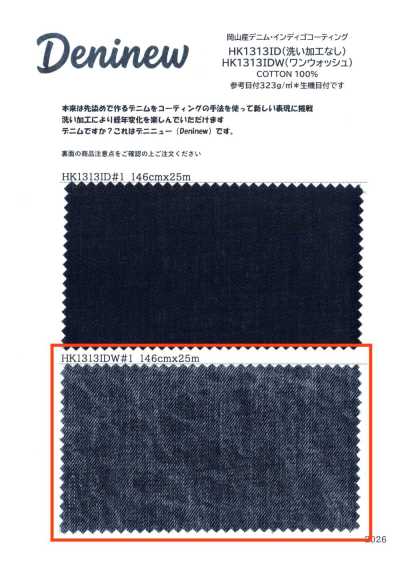
Washer finish is used for processes that create a natural washed-out wrinkle effect and softness through washing, rubbing, compression, or similar methods. It overlaps in meaning with wrinkle finish, but wrinkle finish is a broader term for adding a wrinkled appearance.
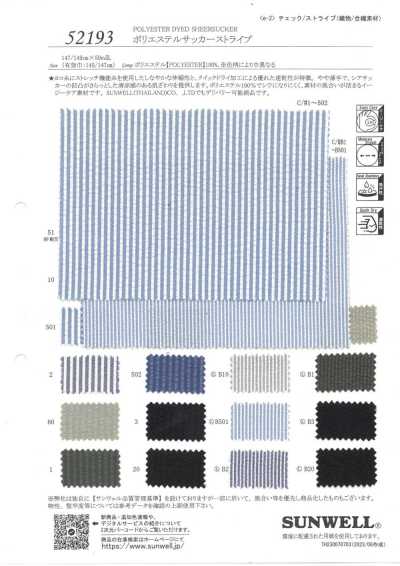
Ripple finish is a process in which part of the textile is shrunk through chemicals or processing methods to create a wave-like uneven surface. Pleats are formed into regular folds, so unlike wrinkle finish, which often aims for an irregular, natural appearance, they differ in the shape and regularity of the unevenness.
Frequently Asked Questions
Does a wrinkle-finished textile shrink when washed?
How much it shrinks depends on the type of fiber, structure, processing method, and washing conditions. Some textiles undergo shrinkage during processing, so when ordering, check the specified shrinkage rate and, before productization, test with the intended washing method to confirm changes in dimensions and appearance.
Can wrinkle finish be removed with an iron?
Heat, steam, and pressure may weaken the wrinkle effect or flatten parts of it. Durability differs depending on the material and finish, so test pressing conditions in advance during sewing and set care methods suitable for the product’s washing instructions.
What is the difference between wrinkle finish and pleats?
Wrinkle finish broadly refers to uneven surface expressions that include a natural irregular look, whereas pleats are a process that forms folds into a consistent shape. In design, check the regularity of the surface pattern, shape retention after washing, and resistance to pressing separately.