Crushed Velvet
Crushed velvet is a velvet-like or velour-like fabric that deliberately disturbs the nap to create irregular shading and luster.


Contents6 sections
Definition and Overview
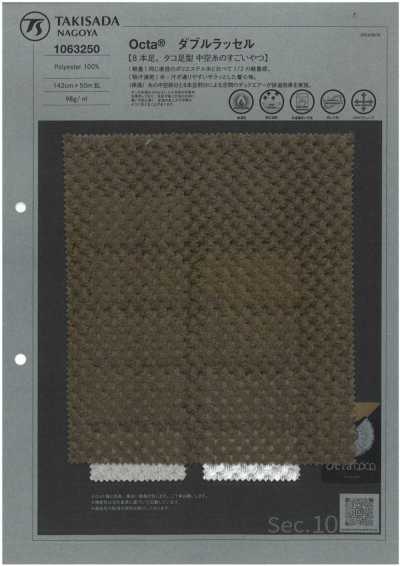
Crushed velvet is a fabric finished by pressing or laying down the pile on the surface to vary the nap, creating changes in appearance so that the color shifts in shade depending on the viewing angle and how light falls on it. “Crushed” refers not to the material name or weave structure, but mainly to the appearance and processing state.
Velvet generally refers to woven pile fabric, but in distribution, knitted velour that has been given a crushed finish is also called crushed velvet. In planning and ordering, confirm separately whether it is woven or knitted, the blend ratio, and the stretchability.
Texture and Visual Characteristics
Because of the uneven nap, it has more character than uniform velvet and creates a deep luster. Many varieties are soft and drape well, and because the shadows change with movement, it is a material that easily creates a glamorous or vintage feel.
In crushed velour made with polyester, some varieties have softness and stretch. However, stretch, thickness, warmth retention, and pile length vary depending on the material composition and knit or weave structure, so performance should not be judged by appearance alone.
- The color can appear different depending on the direction of the nap.
- Friction or pressure may make nap disturbance and sheen stand out.
- The overall tone and luster of the product change depending on the cutting direction.
Main Uses and Seasons
It is used for dresses, skirts, tops, and jackets, as well as stage costumes, dresses, and costumes. Because its luster and shadows are easy to use effectively, it is also suitable for accent areas, panel seams, and decorative details.
In general, it is often used in autumn and winter clothing, but thin and stretchy varieties may also be used for year-round costumes and innerwear. Outside apparel, it may also be used for miscellaneous goods such as pouches, as well as decorative and interior applications.
How to Choose and Handling Precautions
When selecting, check the pile density and pile length, ground structure, fabric weight, blend ratio, stretch direction, and sheerness. Before cutting, spread out the fabric and decide the nap direction, and if possible arrange the parts of the same product in the same direction to reduce variations that can look like color differences.
During sewing, pile surfaces are slippery, and in stretchy materials, seam shifting or waviness may occur. If necessary, consider fine basting, adjusting feed, and using stay tape, and check the needle, thread, and sewing conditions with a trial sew.
Shrinkage from washing, changes in the nap, and loss of luster vary depending on the material and processing. Follow the care label and avoid strong friction or twisting. When ironing, use a pressing cloth so as not to crush the pile, and check the temperature and finish in an inconspicuous area.
Differences from Similar Terms
Velvet is a general term for fabrics characterized by a smooth luster created by short pile. Crushed velvet refers to velvet-style surfaces with added shadows from irregular nap. If a uniform luster is desired, velvet without a crushed finish is suitable.
Velour often refers to knitted pile fabric, and such products tend to have more stretch than woven velvet. However, because crushed velour and crushed velvet may overlap as commercial names, distinguish them by the actual structure and physical properties rather than by name alone.
Frequently Asked Questions
Does crushed velvet stretch?
Can crushed velvet be washed at home?
Whether it can be washed depends on the blend ratio, dyeing, pile processing, and attached parts. Even washable items may have changes in nap and luster due to friction. Always follow the care label on the fabric or product, and conduct a washing test before mass production.
Should the nap be aligned when cutting?
In general, align the nap direction of the parts within the same product. If directions are mixed, differences in shade and luster will stand out even if the color is the same. Even for designs that intentionally create differences, confirm with a sample marked with the direction before cutting.