Cut Pile / Loop Pile
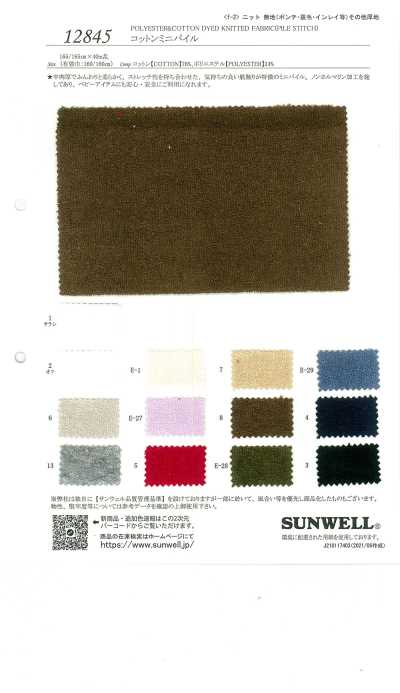
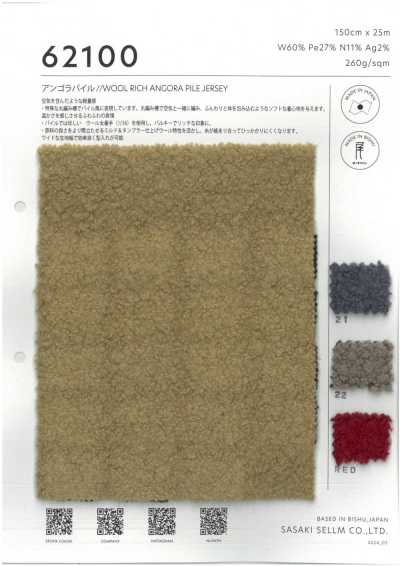
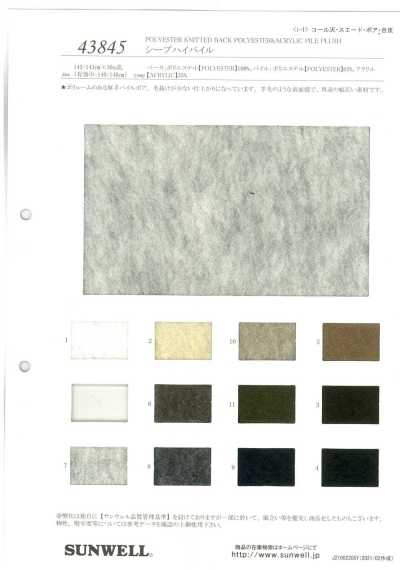
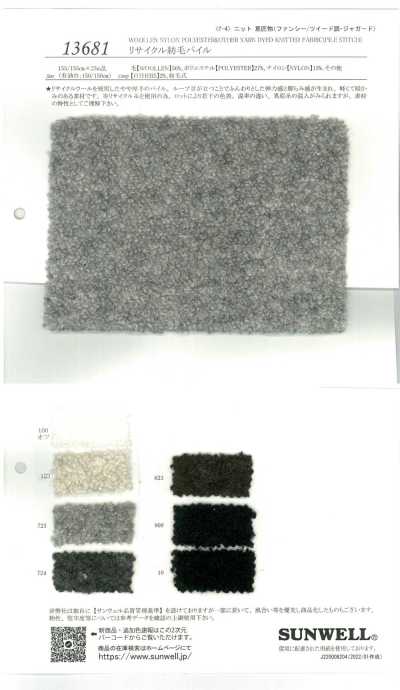
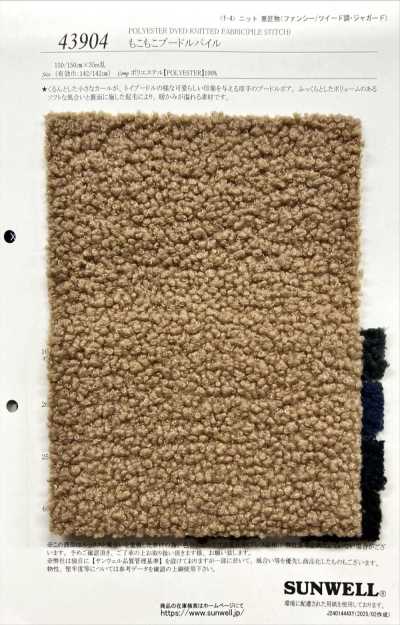
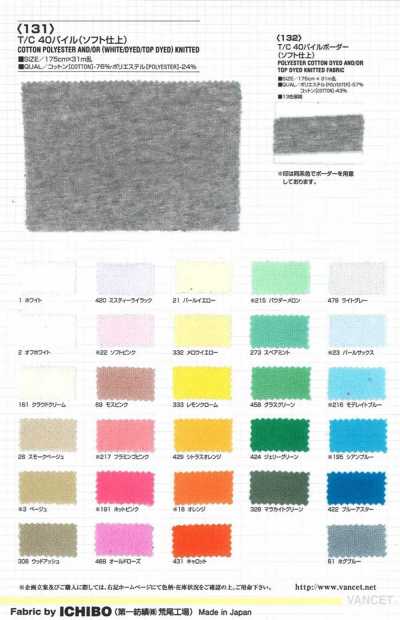
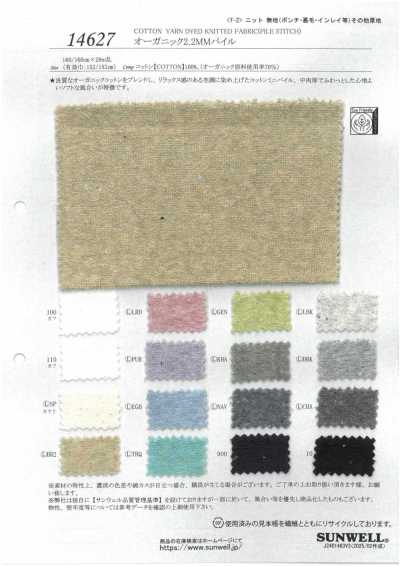
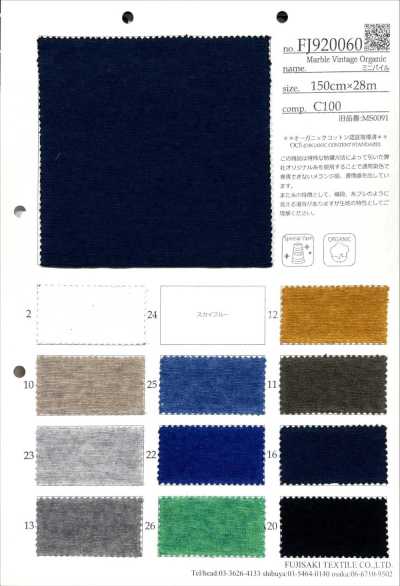
Cut pile / loop pile is a pile structure that creates a raised appearance and texture through cut pile tufts and yarn loops left uncut, which extend from the ground weave.
Contents6 sections
Definition and Overview
Pile is a structure in which yarn loops or cut pile tufts are raised on the surface of the ground weave. Loop pile refers to the state in which the loops are left uncut, while cut pile refers to the state in which the tops of the loops are cut to create pile. Some fabrics combine both to create a textured, raised pattern.
Cut pile and loop pile are not material names, but categories based on surface structure. Pile structures exist not only in woven fabrics but also in knits, and in woven fabrics that form pile with warp or weft yarns, the classifications warp pile and weft pile are also used.
Hand and Appearance Characteristics
Cut pile creates a surface that more easily gives an impression of smoothness, softness, and shading because the pile reflects light in various directions. Depending on the direction in which the nap is brushed with your hand, the color tone and sheen may appear differently.
Loop pile is characterized by a grainy look formed by continuous loops. In general, it is easier than cut pile to give the surface moderate firmness and a more rugged texture, and depending on the loop height and density, absorbency, cushioning, and bulk can vary greatly.
When cut sections and loop sections are used together, the difference between the sheen of the pile and the shading of the loops can create a three-dimensional effect like an woven pattern. However, even with the same name, the hand and durability differ depending on pile length, density, ground weave, and raw material.
Main Applications
In apparel, cut pile is used for jackets, coats, dresses, tops, and more, taking advantage of its soft appearance. Loop pile is used not only for applications that make use of absorbency like towel fabric, but also for casual clothing and fabrics with a textured look for autumn and winter.
Depending on the type and density of the pile, it is also used for interior applications such as upholstery and cushion covers. Because the required abrasion resistance and applications differ between apparel and interior use, it is important to check not only the appearance but also the care tag and test information.
- Cut pile: apparel that shows sheen and nap, decorative applications
- Loop pile: apparel that makes use of absorbency and texture, miscellaneous goods, interiors
- Combined cut and loop: apparel and decorative applications that show three-dimensional patterns and contrast
Selection and Handling Precautions
When selecting, check the pile length, density, ground weave, blend ratio, stretch, and nap. Long cut pile can provide a rich hand, but pile crushing and nap disturbance caused by friction may become noticeable. With loop pile, care must also be taken to prevent loops from pulling out due to snagging.
Shrinkage from washing, changes in pile, and loss of shape vary depending on the raw material and finishing process. Before mass production, carry out a water soak or test wash and check the shrinkage rate, color transfer, and changes in hand. Strong friction and excessive drying may lead to nap disturbance, pilling, and shrinkage.
When cutting, align the pile direction and place pieces so that the nap does not run in opposite directions within the same part. During sewing, take care not to sew in the pile or loops on the surface, and for thick fabrics, consider in advance the conditions needed to reduce feeding unevenness and sewing slippage.
Differences from Similar Terms
Pile is a general term that includes loop pile and cut pile. Loop pile is a structure that leaves the loops intact, while cut pile is a structure in which the loops are cut to make pile. Combined cut and loop pile refers to an expression or structure in which the two are combined in the same fabric.
Velvet and velveteen are woven fabrics characterized by a smooth appearance created by short, dense cut pile. Corduroy is also a woven fabric with ribbed cut pile, but the ribs are clearly defined in width and arrangement. In contrast, with loop pile, the uncut loops themselves are the surface feature.
Frequently Asked Questions
Which is more prone to damage, cut pile or loop pile?
It depends on the application, raw material, pile length, and density, so it cannot be said universally. In cut pile, pile crushing and fuzzing caused by friction are more likely to appear in the appearance, while in loop pile, care must be taken to prevent loops from pulling out due to snagging on nails, hook and loop fasteners, and so on. Check with friction tests and washing tests that are close to actual use.
Is it necessary to align the nap when cutting pile fabrics?
In fabrics where color and sheen change depending on the nap, such as cut pile, the nap direction of all parts should generally be aligned. If directions are mixed, even the same color may appear as though there is a difference in light and dark. Before spreading the fabric, check the front and back and the nap direction, and clearly indicate the direction in the pattern instructions as well.