Decatizing
Decatizing is a finishing process mainly applied to wool fabrics, using steam, heat, and pressure to calm the weave and surface, improve hand feel and appearance, and make it easier to suppress dimensional change in later processes and during wear.
Contents6 sections
Definition and overview
Decatizing is a finishing process applied using steam mainly to woven wool fabrics after weaving. By applying pressure while heating and moistening the textile, it brings the fibers and structure closer to a stable state and improves the finished appearance. In English, it is called decatizing.
Processing conditions depend on the type of textile, density, blend ratio, desired hand feel, and other factors. Therefore, the name decatizing alone does not uniformly determine the degree of shrinkage, luster, hardness, or suitability for home washing.
Features
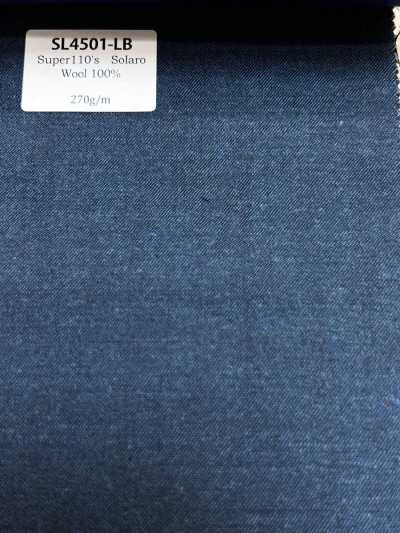
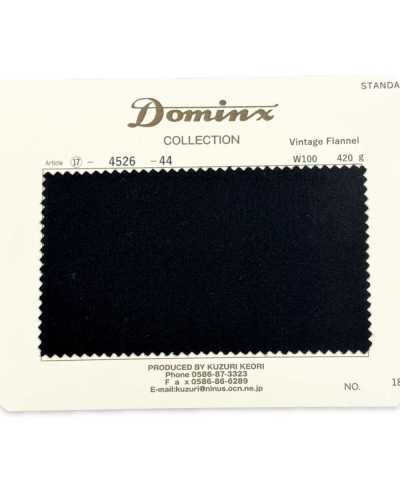
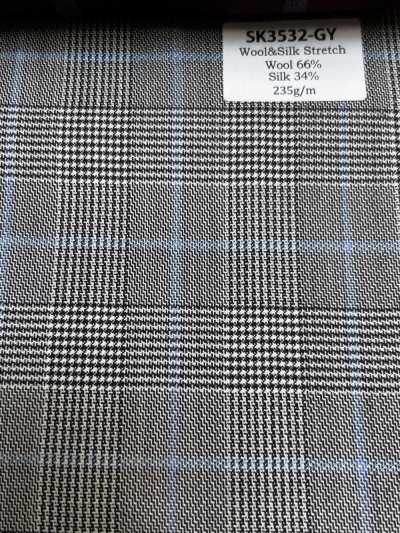
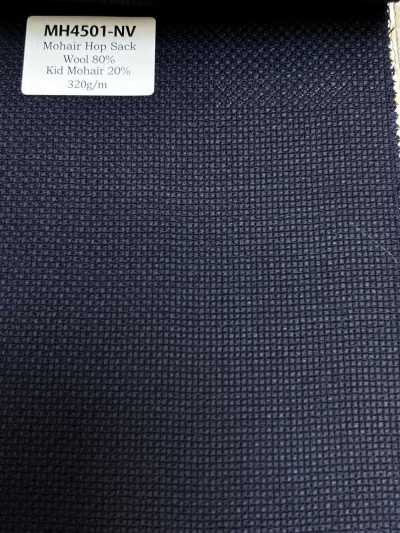
Decatized textiles generally have a smoother surface and a more subdued appearance. In wool, it is used to reduce excessive fuzziness and uneven luster, and to bring out suppleness, moderate firmness, and an elegant appearance.
It is also expected to reduce dimensional changes that occur during cutting, sewing, ironing, and wear. However, it differs in purpose and processing method from shrink-resist treatment, and decatizing alone does not necessarily prevent shrinkage from washing.
- The hand feel may change from soft to firm depending on the processing conditions.
- The surface luster and smoothness vary in the finish depending on the raw material and weave structure.
- When checking dimensional stability, confirm not only whether decatizing was applied but also the results of shrinkage testing.
Main applications
Decatizing is used mainly for combed wool and for apparel fabrics where a good tailored finish and neat appearance are important, such as suits, jackets, pants, skirts, and coats. It is especially seen in wool fabrics for autumn and winter, but the applications depend on the fabric design and finishing conditions.
For formalwear and tailored garments, it may be selected with the post-sewing pressing process in mind, to achieve surface uniformity and shape stability. In samples, it is important to perform sewing and pressing close to the final product and check the hand feel and dimensions.
How to choose and handling precautions
When selecting a textile, check not only whether it has been decatized, but also the blend ratio, fabric weight, shrinkage rate, recommended washing method, and ironing conditions. Before mass production, evaluate differences in hand feel for each bolt, as well as shrinkage and puckering after interlining bonding and after sewing.
Before cutting, consider relaxing the bolt or sponging according to the textile supplier or sewing specifications. Even if decatized, avoid excessive heat and moisture because dimensions and surface feel can change depending on storage conditions, steam amount, pressing pressure, and grain direction handling.
Whether home washing is possible is not determined by whether the textile has been decatized; follow the product care label. Products containing wool may shrink or felt due to water washing, friction, and heat, so at the planning stage it is necessary to choose materials and processing suitable for the care method.
Differences from similar terms
Fulling is a processing method that mainly entangles wool fibers to make the textile denser and to obtain thickness, warmth, and a felt-like appearance. In contrast, decatizing is a finishing process that uses steam and other means to align the textile’s form and improve appearance and dimensional stability, so the purpose and the change to the textile are different.
Shrink-resist treatment is a general term for processing whose main purpose is to suppress shrinkage caused by washing and similar actions. Decatizing also has a role in making dimensional change less likely, but it is handled separately from processing that guarantees anti-shrink performance in home washing.
Frequently asked questions
Can decatized textiles be washed at home?
Decatizing mainly improves a textile’s hand feel and appearance and makes dimensional stability easier to maintain; it is not a process that makes home washing possible. Whether washing is allowed depends on the fiber type, blend ratio, dyeing and other finishing, and product specifications. Always check the product care label and the textile test results.
Are decatizing and fulling the same process?
No, they are not the same. Fulling entangles wool fibers to make the structure denser and the textile thicker and firmer. Decatizing, on the other hand, uses steam and heat to align the textile surface and structure, and is a finishing process to achieve a calm appearance and dimensional stability. The finished look and hand feel are also different.
Do decatized wool textiles still need pretreatment before cutting?
Even if decatized, pre-processing such as relaxing the bolt or sponging may be considered depending on the sewing factory process and the required product precision. Especially for tailored products with many pressing steps, compare dimensions before and after cutting and after pressing during prototyping, and determine mass-production conditions only after checking grain changes and shrinkage.