Dry Cleaning
Dry cleaning is a washing method that removes dirt from clothing using organic solvents instead of water, and is used for products where you want to minimize fabric shrinkage, loss of shape, and changes in texture.
Contents6 sections
Definition and Overview
Dry cleaning is a cleaning method that uses organic solvents instead of water. It is suitable for materials that are prone to shrinkage, felting, color bleeding, and loss of shape when washed with water, as well as garments with raised tailoring. When specified by care labels, professional cleaning treatment corresponding to the label is performed.
“Dry” refers to cleaning without using water, and does not mean that the garment is washed while dry. While it readily removes oily stains, water-soluble stains such as sweat and beverages may be treated with pretreatment or combined with another process.
Effect on Hand Feel and Appearance
Because it avoids swelling and shrinkage caused by water, this method helps preserve the appearance of delicate materials such as wool, silk, and rayon, as well as products made with pleats or interlining. However, it does not completely prevent changes in hand feel or dimensions after cleaning, and differences occur depending on the material, dyeing, finishing, and sewing specifications.
Dry clean only is not a label that uniformly guarantees that the product will withstand all solvents and cleaning conditions. The suitability of the solvent type and cleaning process should be checked together with the care label, material composition, accessories, and bonding specifications.
Main Applications
It is used for garments where shape and surface texture should be preserved, such as suits, jackets, coats, formal wear, dresses, and pleated skirts. Products made from animal hair materials such as wool and cashmere, fabrics containing silk, rayon, or cupro, and products using decoration or fusible interlining may also be designated for dry cleaning.
Although it is often used for autumn and winter items, it is also used for lightweight blouses, dresses, and formal wear. Rather than judging only by application or season, it is important to check the suitability of the entire product, including not only the fabric but also the lining, interlining, buttons, prints, and decorations.
Selection and Handling Notes
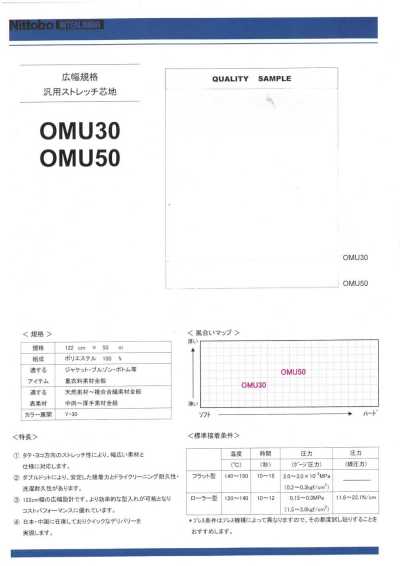
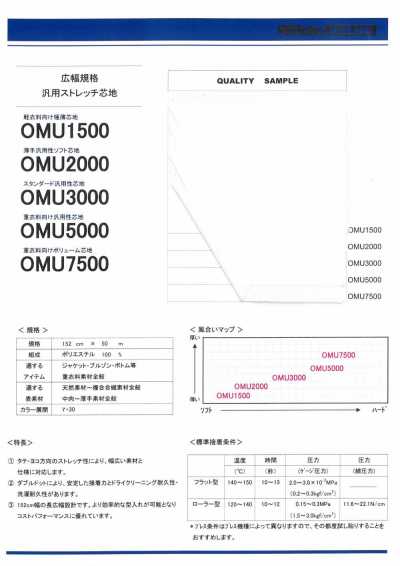
When selecting fabric, confirm separately whether it can be home washed and whether it is durable enough for dry cleaning. In particular, when using fusible interlining, verify through a test combining the outer fabric and interlining whether peeling, lifting, bleeding through, or appearance changes will occur after bonding and dry cleaning.
In sewing, combine not only the outer fabric but also the sewing thread, interlining, lining, and accessories so that they can withstand the processing conditions. Mixed materials, coatings, synthetic leather, and decorative parts may change due to solvents, so trial samples and cleaning tests are necessary in advance.
- Follow the care label and do not switch to water washing based on your own judgment.
- Before mass production, perform cleaning tests on the finished product and check dimensional changes, appearance, bonded areas, and color changes.
- If it is necessary to specify a solvent category such as petroleum-based, confirm the label information and processing conditions.
- Depending on the type of stain, it may be difficult to remove it by dry cleaning alone.
Differences from Similar Terms
Wet cleaning is a specialized washing method that uses water while controlling the cleaning conditions. It differs from dry cleaning in the cleaning medium used, and even products with low water resistance may be considered for wet cleaning depending on the material and specifications.
Dry cleaning fastness is a quality characteristic that evaluates how unlikely color change or staining of other fabrics is to occur due to dry cleaning treatment. It is distinguished from dry cleaning, which refers to the cleaning method itself.
Frequently Asked Questions
Can garments marked dry clean only be washed at home?
That label alone does not mean that home water washing is possible. Water washing may cause shrinkage, loss of shape, color fading, or lifting of fusible interlining. To determine whether home washing is possible, check the water-washing symbols on the care label.
What is petroleum-based dry cleaning?
Petroleum-based dry cleaning refers to dry cleaning that uses a petroleum-based organic solvent. Depending on the material, finishing, and accessories, the solvent that can be used may be limited, so in product planning, suitability should be confirmed based on the care label and the results of cleaning tests.
What should be noted for products using fusible interlining?
Depending on the combination of outer fabric and interlining, peeling, interlining lifting, bleeding through, or changes in stiffness may occur after dry cleaning. Before mass production, define the bonding conditions, carry out cleaning tests in a state close to the actual product, and confirm the appearance and bonding condition.