Epoxy Resin
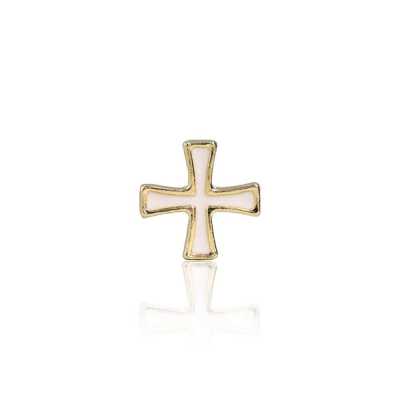
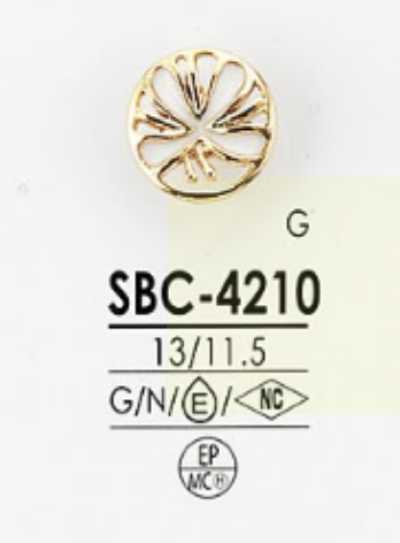
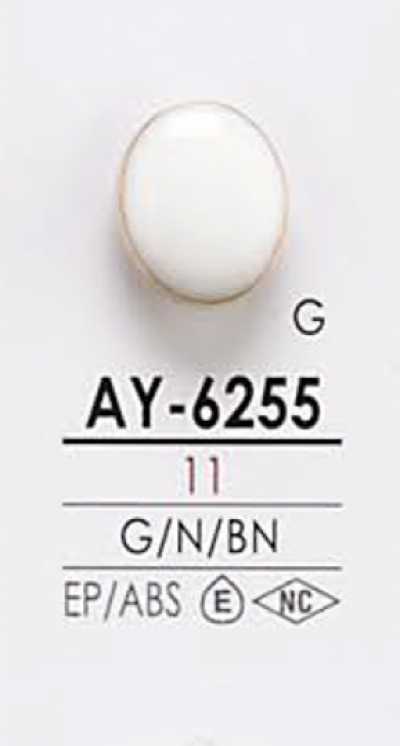
Epoxy resin is a thermosetting resin that hardens to become molded products or surface decoration, and in buttons it is used as a material either on its own or in combination with ABS resin or metal.
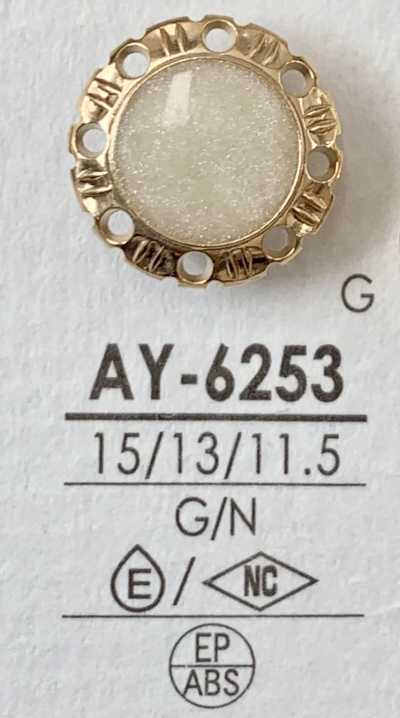
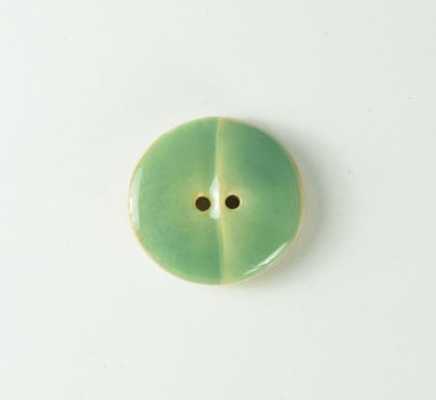
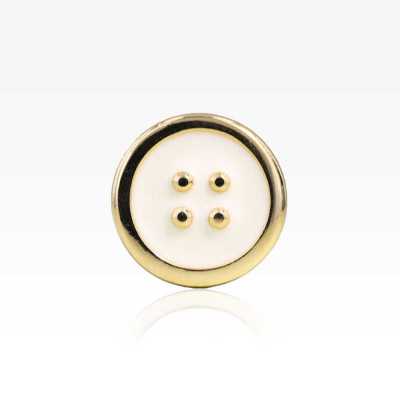

Contents6 sections
Definition and Overview
Epoxy resin is a thermosetting resin that hardens through the reaction of a base resin and a hardener. In buttons, it is molded as a resin component and may also be used as a decorative material to add color or patterns to the surface of metal or other resins.
Even if “epoxy” is shown in a catalog, that does not necessarily mean the entire button is made of epoxy resin. Since there are also composite specifications with ABS resin, nylon resin, metal, and others, check the material composition in the product listing for each item.
Materials and Structure
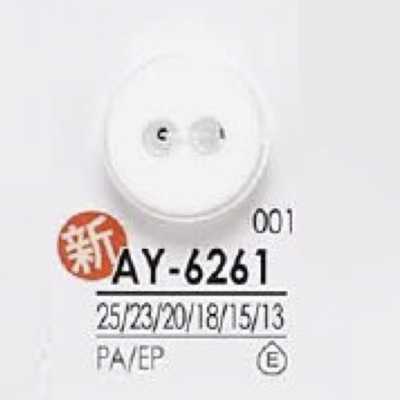
Buttons that use epoxy resin include two-hole and four-hole types that are sewn on by passing thread through the face holes, and shank types that are attached by looping thread around a back shank. Shank types include ring shanks and square shanks, and they can be attached without exposing sewing thread on the surface.
Epoxy resin is sometimes used for surface decoration such as transparency, coloring, and encapsulated-like effects. On the other hand, hole position, shank material, and button thickness affect sewability and durability, so structure as well as appearance must be checked.
- Two-hole and four-hole buttons are sewn on by passing thread through from the surface.
- Ring shanks and square shanks are attached by looping thread around the shank on the back.
- For combinations with different materials, confirm the handling conditions for each material used.
How Sizes Are Expressed
Button size is generally indicated in lignes and mm. A ligne is a customary unit used for buttons, and 1 ligne is approx. 0.635 mm. When ordering, do not rely only on the ligne notation; confirm the outside diameter, thickness, and height including the shank in the specification sheet.
Even with the same outside diameter, the way the button fits through the buttonhole and how it sits when worn will vary depending on the thickness and the projection of the shank. In particular, decorative buttons with thickness or shank buttons should be considered together with the buttonhole length and textile thickness.
Main Applications
Taking advantage of its decorative quality, it is used for front openings and cuffs on jackets, coats, dresses, blouses, and similar items. Depending on the combination with other materials and the choice of shape, it can meet a wide range of planning needs, from neat apparel to outfits that emphasize design.
The area of use is determined while also considering the required number of openings and closings and the thickness of the textile. In areas that are subjected to frequent strong force, the specification should be considered not only in terms of the button’s own strength, but also the shank shape, sewing thread, and whether a reinforcing button is needed.
How to Attach and Handling Precautions
Face-hole buttons are sewn on by passing thread through the holes, and shank buttons are attached by looping thread around the shank and making a thread shank wrap. Thread shank wrap is a method of creating a thread stem between the button and the textile, and it is useful for allowing thick textiles or shank buttons to be inserted without strain.
Resistance to washing, dry cleaning, and ironing cannot be judged uniformly from epoxy resin alone. Because cracking, scratches, changes in gloss, and discoloration may occur due to high temperatures, strong impact, pressure, or chemicals, pre-testing should be conducted on the finished product.
Ironing should basically avoid direct contact with the button. Before mass production, in addition to washing and dry cleaning, check buttonhole passage, sewing strength, and damage during transport.
Frequently Asked Questions
Can epoxy resin buttons be washed?
Whether they can be washed depends on the epoxy resin formulation, molding method, combinations with ABS resin or metal, and surface finish. Do not judge by the material name alone; conduct washing tests on the selected button and product specifications, and confirm consistency with the care label.
What is the difference between epoxy and polyester buttons?
Epoxy is a thermosetting resin formed through a curing reaction, and it is used not only for standalone molding but also for surface decoration and composites with other materials. Polyester buttons are buttons made primarily from polyester resin. Even if they look similar, check the material composition and handling conditions separately.
What should be noted when attaching shank epoxy resin buttons?
To prevent excessive force from concentrating at the base of the shank, make an appropriate thread shank between the button and the textile and secure it with a thread shank wrap. In thick textiles in particular, check the buttonhole length, textile thickness, and any catching during opening and closing. If necessary, use a reinforcing button on the back side.
- Search products for "Epoxy resin"
- Products with material "Epoxy"
- Products for style "For Jackets/Suits"
- Products for style "For Shirts/blouses"
- Products for style "For Outerwear/blousons/coats"
- Products for style "For Skirts And Dresses"
- Products for style "For Costumes/dresses"
- Browse Button products