Bulk
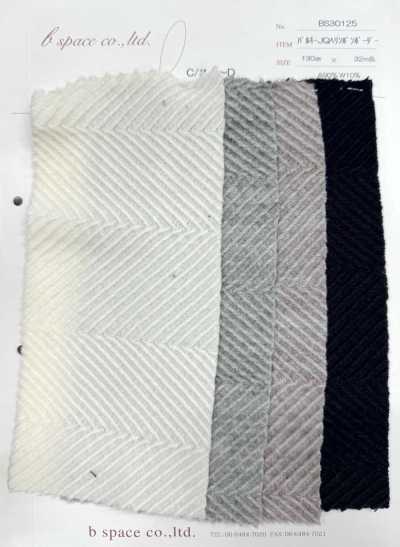
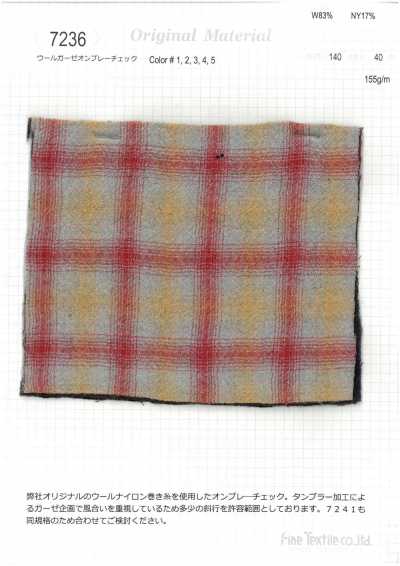
Bulk is a fabric or yarn hand that gives an airy thickness, softness, resilience, and a sense of volume.
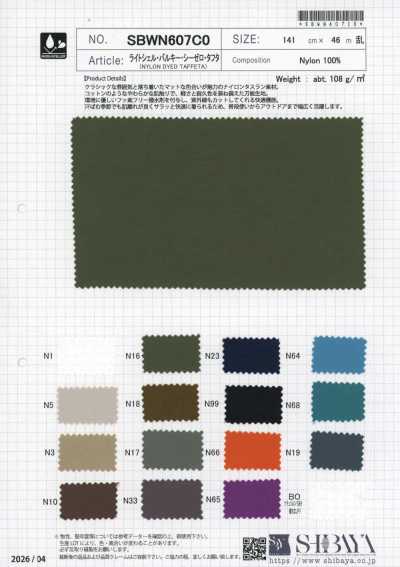
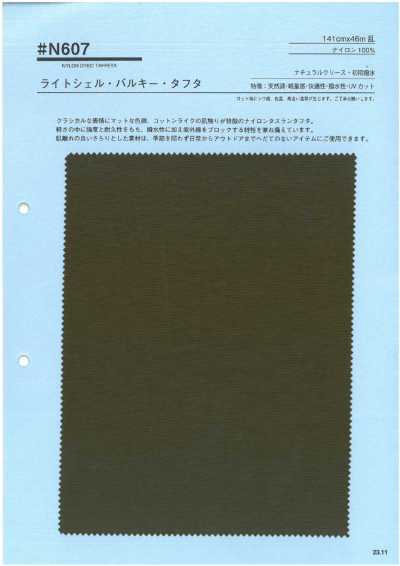
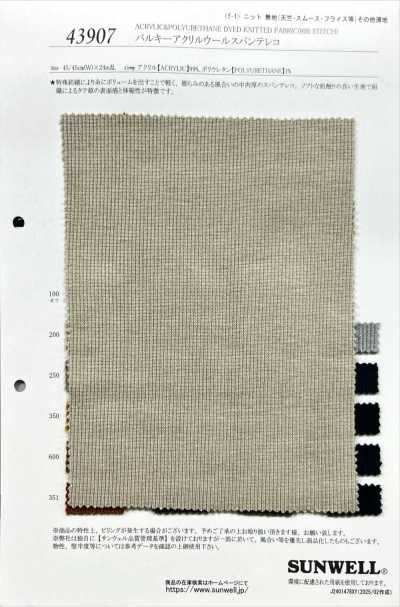
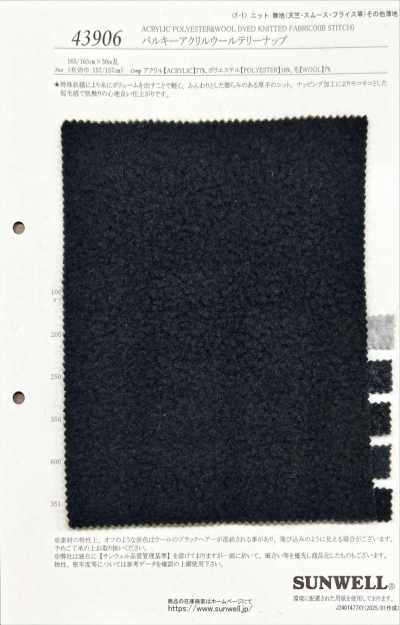
Contents6 sections
Definition and Overview
Bulk is a hand that expresses, in combination, the voluminous feel when touching a fabric, the soft resilience when pressed, and the rich sense of fullness in its appearance. It is not the name of a material or a weave structure, but a sensory quality that changes through yarn, fabric design, and processing.
Yarn thickness, crimp, air layers between fibers, brushed finish, double-layer structures, and fulling are all related to bulk. Even with the same blend ratio and fabric weight, the feeling of bulk differs depending on the yarn structure and finishing.
Characteristics of Hand and Function
Fabrics with bulk are generally soft and tend to feel richly thick relative to their light weight. If the structure contains air, it may contribute to warmth, but bulk alone does not determine warmth retention or durability.
Visually, it gives a rounder, gentler, and more three-dimensional impression than flat, firm fabric. On the other hand, if the bulk is excessive, seam allowances can become thick, making sharp folds and fine details harder to achieve.
- Spun yarns and yarns with crimp tend to trap air easily and contribute to bulk.
- Knit fabrics tend to create soft bulk through their loop structure.
- Brushing and fulling can increase the air layer on the surface or inside the fabric, strengthening the sense of bulk.
Main Applications and Seasons
Materials that make use of bulk are used for sweaters, sweatshirts, cut-and-sewn items, jackets, coats, dresses, and more. They are suitable when you want a soft silhouette with volume that does not overemphasize the body line.
While it is often emphasized in autumn and winter materials intended for warmth, even fine filament yarns and lightweight knits can express a supple, powdery bulk. For that reason, applications and seasons should not be judged by thickness alone; breathability and fabric weight should also be checked.
Selection and Handling Notes
When selecting, lightly squeeze the material by hand and check how it springs back, while considering the balance of thickness, weight, firmness, resilience, and drape. Since evaluation of bulk varies from person to person, in planning it is best to confirm the silhouette not only with a swatch but, if possible, with a sewn sample.
Washing, steaming, and compressed storage may flatten the fuzz and air layers, changing the sense of bulk. For materials that may shrink or change hand, especially with water washing, carry out a washing test and confirm shrinkage rate in advance, and set care instructions in line with the label.
In sewing, thick fabrics require attention to feeding issues at stepped areas, seam slippage, and puckering. Match the needle, thread, presser foot pressure, and stitch density to the fabric, and consider finishing methods that reduce seam allowance overlap, as well as pressing open seams where necessary.
Differences from Similar Terms
Loft refers to a material's large occupied volume and its bulkiness under compression. Bulk is often used as a hand that includes softness, resilience, and appearance in addition to loft; the two are close, but not synonymous.
Firmness and body refer to a fabric's rebound and its ability to hold its shape. A fabric with bulk may also have firmness and body, but bulk does not necessarily mean hardness or strong rebound. Hand is a comprehensive expression of tactile feel that includes bulk, slickness, crispness, and more.
Frequently Asked Questions
Is a fabric with bulk a thick fabric?
How should bulk and firmness/body be used differently?
Bulk is a term centered on a voluminous, soft fullness and elasticity. Firmness and body describe the fabric's ability to hold its shape and the strength of its rebound. In a planning sheet, writing both together, such as bulk with a soft hand or bulk with firmness, makes the intention easier to understand.
Are there sewing precautions for preserving the sense of bulk?
Because thickness and surface fuzz can make feeding unstable, adjust the needle, thread, presser foot pressure, and stitch density with test sewing. Pressing too hard can change the hand, so use a pressing cloth or floating press, and also check the seam allowance thickness.