Stud Fastener
A giboshi is a primarily metal fastener that secures by hooking a hole or slit onto a protruding head.
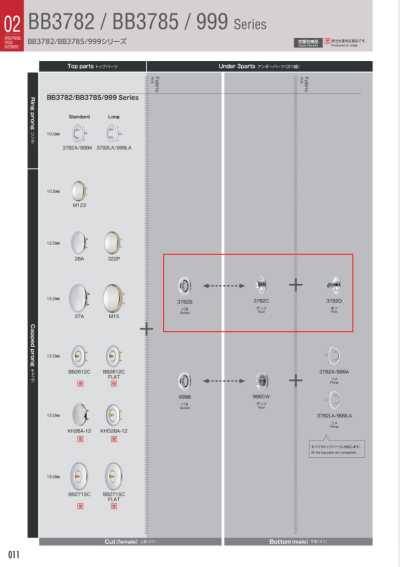
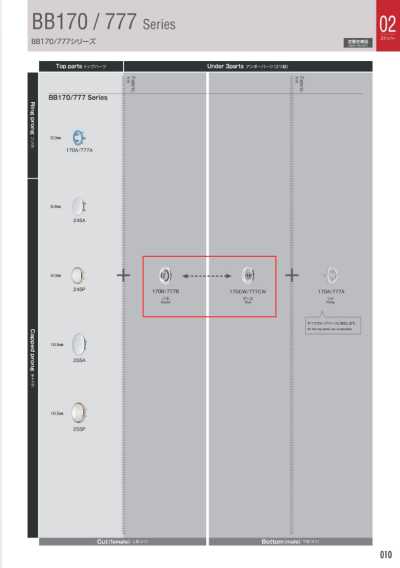
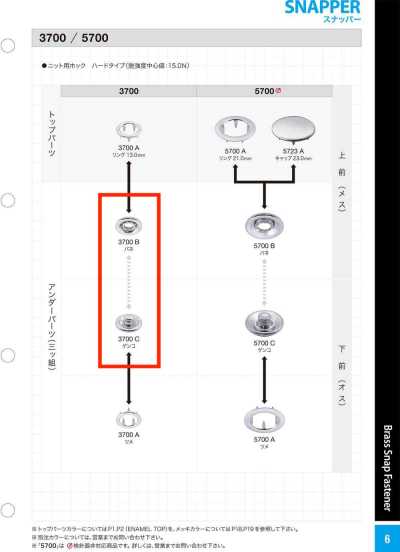
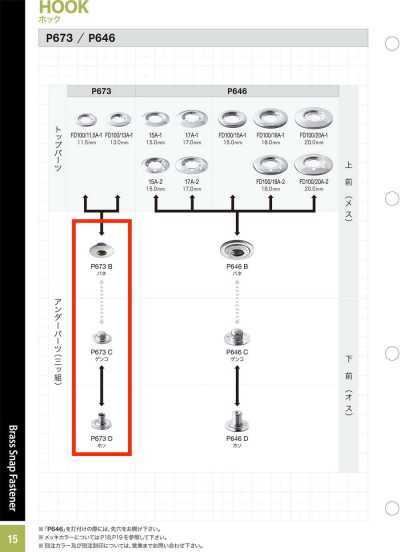
Contents6 sections
Definition and Overview
A giboshi is a fastener made up of a shaft that rises from a base and a rounded head at the tip. It is secured by hooking a round hole, slit, or loop on the other side over the head to prevent it from pulling out.
Materials and Structure
Many are made of metal, and brass, zinc alloy, stainless steel, and similar materials are used depending on the application and appearance. In addition to types with the head and post integrated into one piece, there are also screw types that are fixed to the main body with screws, and the required backing material and tools vary depending on the installation method.
A plated or painted finish may be applied to the surface. The finish affects not only the design, but also resistance to discoloration and corrosion, so the usage environment and the properties of the fabric or leather in contact with it are taken into account.
How to Check the Size
Giboshi dimensions are checked by the head diameter, head height, and the post diameter and length. It is important to ensure that the hole or loop to be fastened is large enough for the head to pass through, while still being difficult to come off during use.
For hardware designed to pass tape through it, check the inside dimensions and the width of the tape to be inserted. In addition to tape width, also consider thickness, overlap at folded sections, and bulk after sewing, and check the actual threading with the auxiliary materials to be used.
- Head dimensions and the shape and size of the mating hole
- Post length and total thickness of the attachment area
- Inside dimensions for tape and the width and thickness of the tape
- Projection after installation and interference when worn
Main Applications
It is used for closing flaps on bags and leather accessories, detachable parts of belts and straps, and fasteners that also serve as decorative elements on garments. Since opening and closing requires a pulling motion to remove it, it is designed to be easy to handle one-handed and to have moderate tension on the side to be hooked.
A giboshi is not a part that adjusts belt length in stages like a buckle; it is a part that fastens by hooking a hole or loop. If length adjustment is also needed, it is designed in combination with a slide adjuster or buckle.
How to Choose and Points to Note
Where load is applied, check not only the strength of the hardware itself, but also tearing of the fabric or leather at the attachment point, stretching of the hole, and the strength of the sewn section. Heavy hardware can cause garments to sag, lose shape, or press against the body, so choose one that matches the part and product weight.
Depending on sweat, moisture, friction, and washing, plating may wear, rust, discolor, or transfer color to the contact surface. Before mass production, check opening and closing durability and appearance changes under conditions close to actual use. Since metal parts are generally expected to trigger a needle detector, specifications and inspection processes should be determined in advance for products that require needle detection control.
Frequently Asked Questions
How large should the hole for a giboshi be?
Make it large enough for the head to pass through without difficulty, while still being difficult to come off during use. Do not decide based only on the hole dimensions; check the shape of the hole, the thickness and stretch of the mating material, and the opening and closing direction. Before mass production, make a sample with the actual materials and evaluate whether it pulls out or tears after repeated opening and closing.
What is the difference between a giboshi and a snap button?
A giboshi secures by hooking a hole or loop over a protrusion, so it does not require a spring-engaging part on the other side. A snap button is a fastener in which the male and female sides are pressed together to fit. Use them according to the desired opening and closing feel, required holding power, and the thickness of the material to be attached.
Can a metal giboshi be used with a needle detector?
Metal giboshi generally react to a needle detector, but the inspection process is useful for confirming that they are properly attached as metal accessories on the product. Results vary depending on the equipment sensitivity, the material and size of the hardware, and the product specifications, so confirm in advance with the needle detector you will use.