


Hairline Stripe
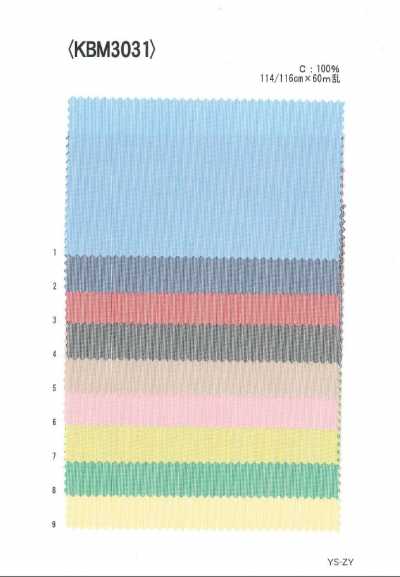
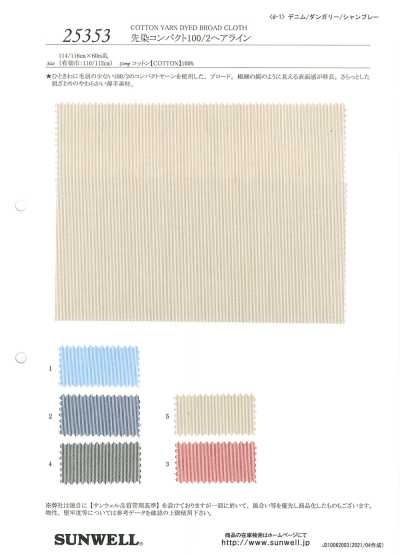
Hairline stripe is a delicate, understated striped pattern made up of very fine lines arranged at regular or irregular intervals, like strands of hair.
Contents5 sections
Definition and Overview
Hairline stripe is a striped pattern that looks close to solid from a distance, but reveals extremely fine vertical lines up close. Because the lines are so thin, it adds a neat impression and a delicate look to garments.
The pattern name describes how the lines appear and does not restrict the material, weave structure, or dyeing method. It may be expressed by weaving, yarn dyed, or printing.
Pattern Construction and Naming
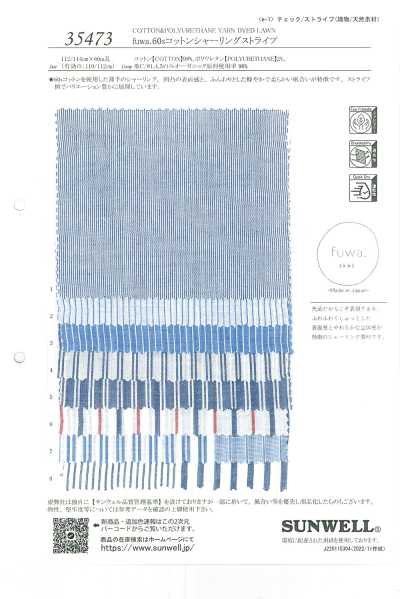
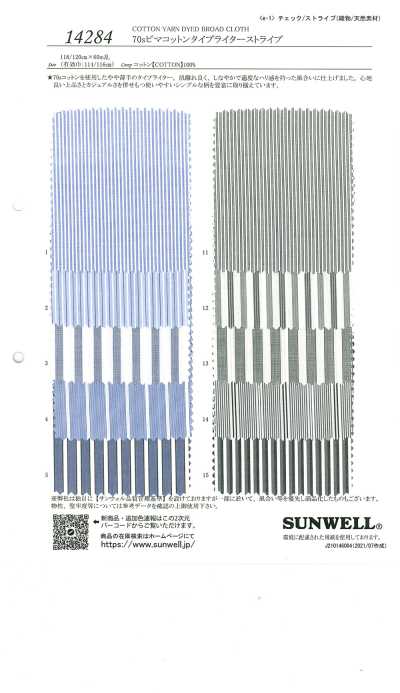
In many cases, thin yarns in a color different from the ground color are arranged in the warp direction to create vertical stripes. When the color contrast of the lines is small, the effect is understated; when the contrast is large, the stripes appear more distinct. The appearance changes depending on the line spacing, color combination, and number of lines.
There are names that distinguish stripes by line width and spacing, but the way terms close to hairline stripe are used can vary by fabric planning or by trading partner. It is important to check the line thickness and pitch on a sample.
- Pinstripe generally refers to stripes made of thin lines arranged at regular intervals.
- Pencil stripe is a term for thin lines that look as if they were drawn with a pencil.
- Chalk stripe refers to stripes with thicker lines and somewhat blurred edges, as if drawn with chalk.
- Shadow stripe is a pattern in which stripes are brought out through weave structure or differences in sheen.
Main Applications and Seasonality
It is used for shirts, blouses, dresses, and skirts, as well as jackets and pants. The fine vertical lines tend to emphasize the vertical direction, making it suitable for neat and light designs.
The pattern itself has no seasonality. On lightweight cotton or linen-style fabric, it is easy to create a light spring-summer feel, while wool-style or brushed fabric can also be used for autumn-winter suiting and dress materials.
Points to Note When Choosing Fabric and Cutting
When selecting, check not only the line width and spacing of the pattern, but also contrast with the ground color, sheerness, thickness, and stiffness or drape. The finer the pattern, the more its appearance can change under a screen or lighting, so if possible, check it at a size close to actual use rather than only on a hanger sample.
Even when using vertical stripes in the vertical direction, misalignment of the lines on the body, front placket, pockets, yoke, or collar can be noticeable. Consider the stripe position on the left and right body panels, and the continuity of the pattern at the seams, during the pattern-making stage.
When matching the pattern, the required yardage may increase compared with a solid fabric. In particular, indicate the matching points at the center front, side seams, pocket openings, and other areas in the specification sheet, and check the grain and stripe direction when spreading the fabric before cutting.
Frequently Asked Questions
What is the difference between hairline stripe and pinstripe?
Both can refer to stripes made with very fine lines, but there is no fixed, clear boundary in terms of line width or spacing. Hairline stripe emphasizes the look of extremely fine lines like hair, and in practice, the dimensions and appearance of the pattern are checked on a fabric swatch.
Does hairline stripe require pattern matching?
Pattern matching should be considered in areas where the line is seen continuously across seams, such as the center front, side seams, and pockets. Even very fine lines can show misalignment, so the sewing specifications and allowable tolerance should be decided in advance. Pattern matching may increase the required yardage.





