


Wall Yarn
Wall yarn is a fancy yarn with wall-like raised texture and an irregular appearance, made by using a thick, loosely twisted yarn as the core and securing it at intervals with a thin, tightly twisted yarn.
Contents6 sections
Definition and Structure
Wall yarn is a fancy yarn made by wrapping and securing a thick, loosely twisted yarn with a thin binding yarn. Because the thick sections swell and the parts secured by the thin yarn constrict, the yarn develops continuous or irregular thick-and-thin variations and a three-dimensional feel.
The appearance varies greatly depending on the material, the thickness of the thick yarn and binding yarn, the twist strength, and the spacing of the secure points. Unlike slub yarn, which is simply uneven in thickness, it is characterized by twisting multiple yarns together to create raised knots.
Texture and Visual Characteristics
When woven or knitted, it creates wall-like thick ridges, knots, and shading on the surface. By combining the material’s own luster and color variations, it can be designed to range from a rustic look to a highly decorative one.
In general, the surface irregularities help trap air, creating a fuller texture. On the other hand, thickness, weight, warmth retention, and breathability depend on the yarn material, density, and structure, so they cannot be determined from wall yarn alone.
Main Uses and Seasonality
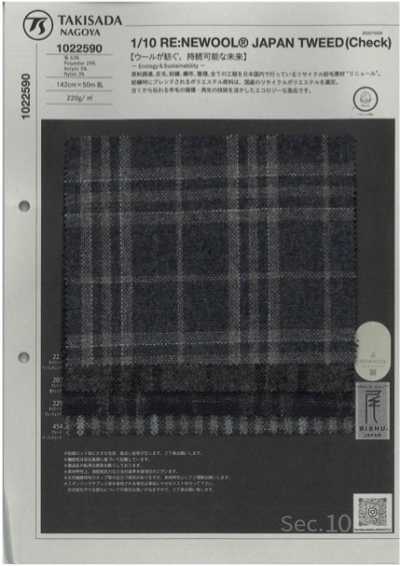
Wall yarn is used in tweed-like woven fabrics, knits, and fancy knitted fabrics that make use of the surface texture of the material. It is suitable for jackets, vests, skirts, dresses, coats, bags, hats, and other items where you want a plain fabric with added character.
Products made with bulky materials such as wool are often used for autumn and winter garments, while lighter designs using cotton, linen, synthetic fibers, and the like can also be used for spring and summer. Applications should be considered together with the material composition, fabric weight, and structure of the fabric.
Selection and Handling Notes
When selecting, check not only the surface irregularities but also snagging tendency, fuzzing, thickness, and overlap at seam allowances. In sampling, it is important to confirm needle penetration, feeding stability, and seam sinking when the stitching crosses a thick section.
Shrinkage and shape changes due to washing vary depending on the constituent materials and finishing. In particular, when natural fibers or bulky yarns are included, confirm shrinkage rate and surface changes through wetting or washing tests, and handle the product according to its care label.
- Let the fabric rest sufficiently before cutting, and check the grain line and the direction of the surface texture.
- When sewing, test the needle, thread, and presser foot pressure appropriate for the fabric thickness, and check for skipped stitches and puckering caused by the uneven surface.
- When ironing, use a pressing cloth to avoid flattening and shine, and try methods such as applying steam lightly from the wrong side.
Differences from Similar Terms
Slub yarn is a yarn with uneven thick and thin sections along a single strand. Wall yarn, by contrast, is a fancy yarn based on a structure in which a thick yarn is secured with another thin yarn, making it easier to achieve a more three-dimensional and irregular appearance.
High-twist yarn is yarn twisted tightly and is used to achieve a crisp hand and texture. In wall yarn, the thick constituent yarn may use a loosely twisted yarn, so its purpose and structure differ from those of high-twist yarn.
Frequently Asked Questions
Are wall yarn and slub yarn the same?
No, they are not the same. Slub yarn is a yarn whose thickness itself is uneven, whereas wall yarn is a fancy yarn that creates irregularities through a multi-yarn structure in which a thick yarn is secured with a thin binding yarn. However, the fabric appearance may sometimes be similar.
Can fabrics made with wall yarn be machine washed at home?
Whether home washing is possible is not determined by the type of wall yarn alone. It depends on the type of material, structure, density, finishing, and accessory components used. Confirm shrinkage, fuzzing, and changes in surface texture through testing, and set the appropriate care label for each product.





