


Pique Knit Shibori
Pique knit shibori is a tie-dye technique in which small areas of the fabric are tightly bound with yarn to resist dye, creating fine round patterns like the spots on pique knit.
Contents6 sections
Definition and Overview
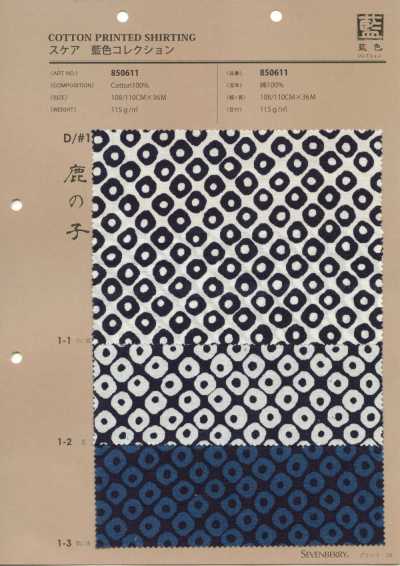
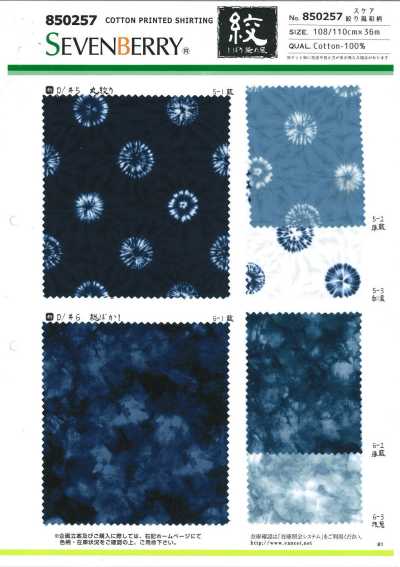
Pique knit shibori is a resist-dyeing technique in which small sections pinched up with the fingertips are tightly tied with yarn, then untied after dyeing to reveal the pattern. Because the tied areas resist dye, granular white or pale areas appear in contrast with the ground color.
The name comes from the way the pattern resembles the spots of pique knit. It basically refers to a hand-tied resist-dye technique, but in apparel fabrics, a pique knit shibori-style pattern may also be expressed by printing.
Characteristics
The look of small dots in a row creates a delicate, rhythmic impression. Depending on the size of the ties, spacing, and how well the dye penetrates, the outline and shading of each dot vary, which is one of its defining features.
The tied sections may retain texture and wrinkles from the dyeing process, and depending on the material, a slight sense of shading or dimension can be felt. However, the hand feel, breathability, and stretch are not determined by the shibori name alone; they depend on the base fabric's fibers, structure, and finishing process.
Main Applications
It is used in Japanese clothing such as yukata and kimono, as well as in items that make use of fine patterns, such as blouses, dresses, scarves, and stoles. The contrast between deep colors such as indigo and the white areas can be incorporated into a wide range of designs, from traditional to contemporary.
On lightweight cotton or silk, it pairs well with light spring and summer items. On the other hand, fabrics printed to look like pique knit shibori are not limited by the type of base fabric, and season or use is determined according to the material's thickness, sheerness, and intended application.
Selection and Handling Notes
When choosing hand-shibori fabric, check the actual sample to see whether the size and placement of the dots, the appearance of the white areas, and the wrinkled texture match the design intent. Even with the same technique name, the degree of handwork-related irregularity and color differences caused by dye lots may occur, so it is important to confirm with samples before mass production.
Changes in shrinkage and texture after washing vary depending on the type of fiber and the dyeing and finishing methods. Check dimensional change and color bleeding through wetting or wash testing, and follow the product's care label. In sewing, seams may appear uneven in areas with texture, so confirm cut position and presser-foot pressure with prototypes.
- If you want the pattern appearance to be consistent, check the pattern placement before cutting.
- For dark-colored items, check whether color transfer occurs from friction or washing.
- If you want to make use of the textured surface, consider finishing that avoids excessive pressing.
Differences from Similar Terms
Pique knit is the name of a knit that creates fine surface texture through its knitted structure, and it is different from pique knit shibori, which is a dyeing technique. Even if the appearance has a granular look, pique knit is a knitted fabric, while pique knit shibori is distinguished as a pattern created by resist dyeing.
Hitta shibori is sometimes used to refer to the fine, regularly arranged dots within pique knit shibori. However, since the two are sometimes treated as synonymous, design documents and purchase orders should specify the dot size, placement, and whether it is hand shibori or printed.
Frequently Asked Questions
Are pique knit shibori and pique knit fabric the same thing?
No, they are not the same. Pique knit shibori is a tie-dye technique that ties the fabric to create differences in how it takes dye. Pique knit fabric, on the other hand, refers to a knit with a textured surface of raised and recessed stitches. Because they share a granular look, the material name and the dyeing or pattern technique should be checked separately.
How do you choose between pique knit shibori-style printing and hand shibori?
If you value the variation in each dot, texture, and a handmade look, consider hand shibori. If you value pattern reproducibility, control of placement, and an even appearance over a wide area, printing is an option. In addition to the intended use, also check the appearance after washing and color durability.





