Kapok
Kapok is a plant fiber obtained from the seed floss attached to the fruit of the kapok tree, and it is used for padding and blended fabrics with other fibers, taking advantage of its lightness from its hollow structure.


Contents6 sections
Definition and Overview
Kapok is a plant-derived fiber made from the seed floss inside the fruit of the kapok tree, which grows in tropical regions. It is characterized by a large hollow structure inside the fiber, and it is used on its own as yarn or blended with cotton and other fibers for woven fabrics and knits.
In apparel, kapok is used either as filling, taking advantage of the fiber’s characteristics, or blended with other fibers to add lightness and a natural texture to fabric. It is important to understand that this is the name of a raw fiber, not a fabric name.
Texture and Function
Its hollow structure gives it a bulky, lightweight feel. When used as filling, it traps air easily and is used to help add warmth. In blended fabrics, the softness, rustic look, and light wearing comfort vary depending on the fiber blend and yarn construction.
Kapok fibers have a smooth surface and are short, so they are generally difficult to spin on their own, and may be combined with cotton, polyester, and other fibers. Appearance, strength, water absorbency, and dyeability vary depending on blend ratio, structure, and finishing, so it is necessary not to judge by the material name alone.
- Suitable for filling and blended fabrics where a lightweight feel is desired.
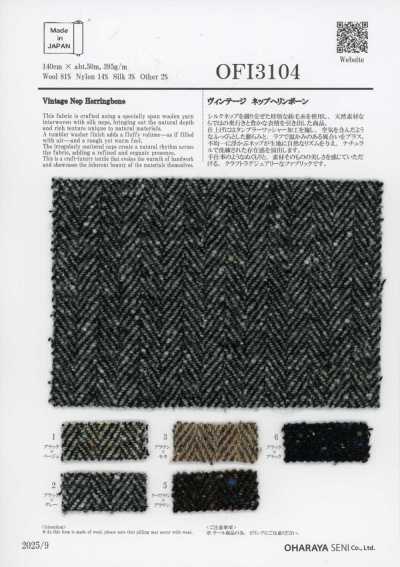
- May produce the unevenness and nep-like texture associated with natural fibers.
- Performance such as warmth retention and water absorbency should be checked together with the fabric structure and blended fibers.
Main Applications
As filling, it is used in jackets, coats, vests, cold-weather accessories, bedding, and cushions. Its lightness and bulk make it a popular choice for warmth-retaining items for autumn and winter.
In blended fabrics, it is used for shirts, blouses, cut-and-sew items, pants, skirts, and dresses. Its applications range widely depending on the design, from light clothing for spring and summer to autumn and winter items combined with brushed finishes or filling.
Selection and Handling Notes
When selecting a fabric, check not only the kapok blend ratio but also the companion fiber, weave or knit structure, fabric weight, finishing, and thickness. The required properties differ depending on whether it is used for the outer fabric or for filling, so test or sample the strength, sheerness, wash durability, and bulkiness according to the garment’s application.
Shrinkage and shape change are affected not only by kapok itself but also by the blended fibers and processing conditions. Before mass production, conduct water-washing and laundering tests, and clearly state the washing method and allowable dimensions in the specifications. In particular, for products with filling, also check for shifting after washing and changes in bulk.
For sewing, set the needle, thread, and stitch pitch to match the fabric thickness and density. For thin or low-density blended fabrics, pay attention to seam puckering, and for thick fabrics or filling, be careful of seam misalignment at stepped sections. From cutting to sewing, conduct sewing tests on the actual fabric.
Differences from Similar Terms
Kapok is a plant fiber derived from seed floss. Cotton is also derived from seed floss, but it is a fiber widely spun for apparel use, and its fiber shape and ease of spinning differ from kapok. Kapok blends and 100% cotton are distinguished by the blend ratio indication.
Hollow yarn refers to yarn or synthetic fiber with a hollow structure, and is different from kapok as a raw fiber. Both are related to lightness and warmth retention, but their material origin, manufacturing method, and performance design are not the same.
Frequently Asked Questions
Does kapok shrink when washed?
The degree of shrinkage is not determined by the kapok blend ratio alone. It varies depending on the blended fiber, knit or weave structure, dyeing and finishing process, and washing method. In mass production, washing tests should be performed on the fabric or product, and the shrinkage rate and appearance changes should be checked before deciding the care label.
Is kapok a material used only for filling?
It is often used as filling, but it is also used in woven fabrics and knits for apparel when blended with cotton and other fibers. When used as an outer fabric, check the blend ratio, fabric weight, strength, sheerness, and sewing suitability, and choose a fabric design that fits the intended use.
Are kapok and hollow yarn the same?
No, they are not the same. Kapok is a naturally derived fiber obtained from plant seed floss. Hollow yarn, on the other hand, is a general term for fibers or yarns with a hollow inside structure. They have similarities in lightness and other properties, but their raw materials and manufacturing methods are different.