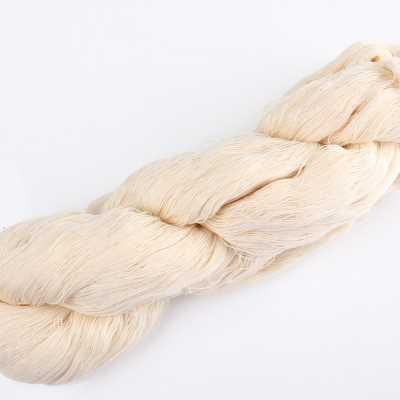
Cotton Sewing Thread
Cotton sewing thread is a sewing thread made mainly by spinning and twisting short cotton fibers, and it is used for seam stitching and topstitching, taking advantage of a natural texture that blends well with cotton materials.
Contents6 sections
Definition and Overview
Cotton sewing thread is a sewing thread made from spun yarn made from cotton. In the apparel field, it is sometimes abbreviated as "katan thread." It blends well with cotton fabric and is characterized by an understated look and feel that is different from synthetic fiber sewing thread.
Today, polyester and other materials are also widely used for sewing thread, but cotton sewing thread is chosen when a cotton-like appearance is important, or for repairs, quilting, and decorative stitching. It is important to check the strength required for the application and the washing conditions.
Material and Twist / Structure
Cotton sewing thread is spun yarn made by twisting short cotton fibers. For sewing use, it often has a structure in which multiple single yarns are twisted together further, reducing fuzz and improving thread strength and sewability. The direction and amount of twist affect the thread’s surface feel, strength, and the appearance of the seam.
Cotton has moisture absorbency and the texture of a natural material. On the other hand, compared with polyester sewing thread, its abrasion resistance, strength, and resistance to chemicals generally vary depending on the application. The thread should be selected according to the product’s usage environment so that the sewing thread does not wear out first.
How Thickness Is Indicated
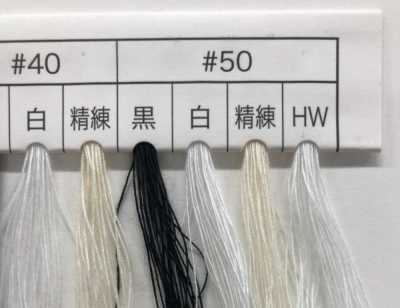
The thickness of cotton sewing thread is indicated by count numbers or the nominal count used for each product. Count is one unit used to express thread thickness, and in the constant-weight system used for cotton thread, a larger number generally indicates a finer thread. However, the number of plies twisted together also affects thread thickness and strength.
Nominal count is used when selecting sewing thread, but the notation and corresponding relationship may differ depending on the manufacturer and type of thread. Do not replace based on count alone; check the thread material, structure, actual thickness, recommended needle, and sewing test results together.
- Thicker thread is suitable for sewing heavy fabrics and for specifications that show the stitching.
- Finer thread is suitable for plain seams on light fabrics and delicate stitching.
- Even with the same nominal count, threads with different materials or twist structures may not produce the same finish.
Main Applications
Cotton sewing thread is used for plain seams, stitching, button sewing, hand sewing, and repairs on cotton woven fabric. For shirt fabric, sheeting, denim, and canvas, the thread thickness is selected according to the fabric thickness, weave density, and finishing. For stitching, it is also suitable when a soft, cotton-specific look is desired.
In specifications that involve product washing or dyeing, differences in color change, shrinkage, and abrasion between the fabric and sewing thread may appear in the appearance. Before mass production, it is necessary to make samples with the fabric, interfacing, accessories, and sewing conditions included, and to check them after washing as well.
How to Choose and Sewing Precautions
Choose thread not only by the fabric material, but also by thickness, stretch, load on the seam, washing method, and whether the seam should be noticeable. In highly stretchable knits or areas subject to heavy load, cotton sewing thread alone may not follow the seam well enough, so consider sewing thread suitable for the application.
During sewing, select a needle thickness and needle eye that match the thread, and adjust the upper and lower thread tension. If the needle is too fine, it can cause thread breakage or thread damage; if it is too thick, the needle hole may become noticeable. Check seam shrinkage, puckering, and skipped stitches with test sewing.
Frequently Asked Questions
How should cotton sewing thread and polyester sewing thread be used differently?
When you want the texture to blend with cotton fabric or want a natural stitching appearance, cotton sewing thread is an option. When strength, abrasion resistance, washing durability, and quick drying are important, polyester sewing thread is generally used. Make a test seam on the fabric and product application before deciding.
Does a larger number mean thicker cotton sewing thread count?
In the count system used for cotton thread, a larger number generally indicates a finer thread. However, for sewing thread, the nominal count and number of plies are also shown, and the notation is not uniform. When selecting, do not judge by count alone; check thread samples, the recommended needle, and sewing tests.