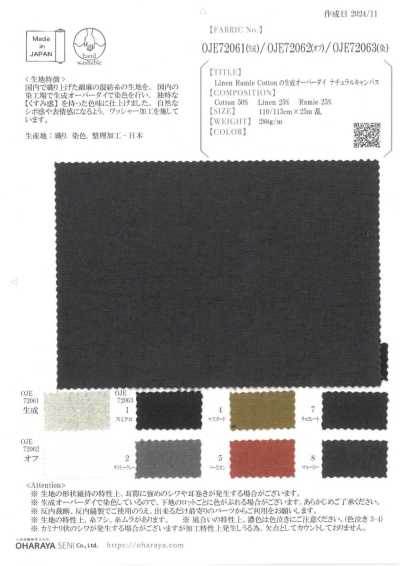
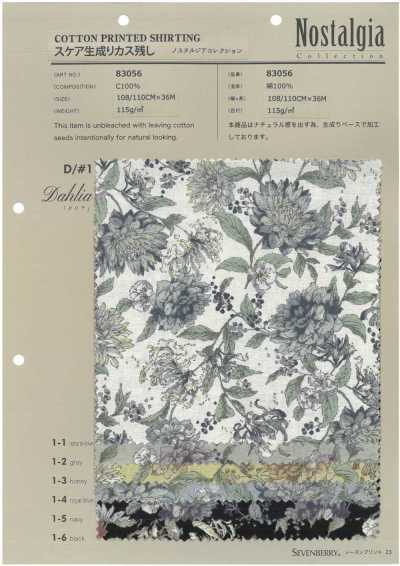
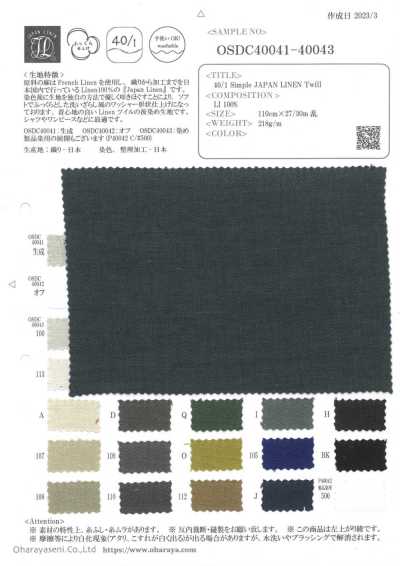
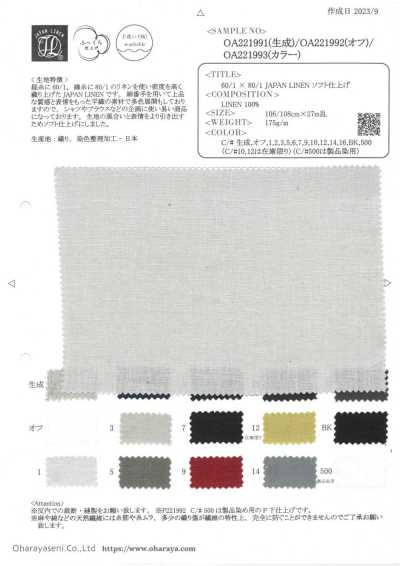
Ecru
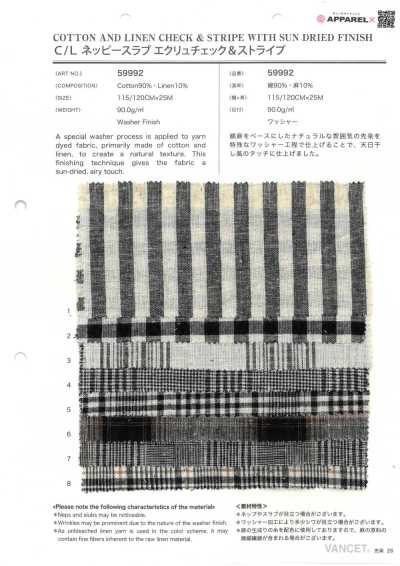
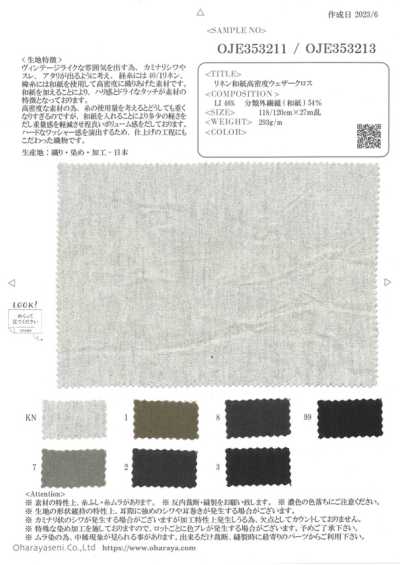
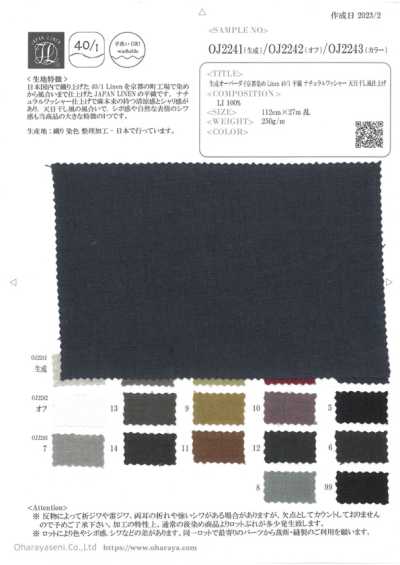
Ecru refers to a natural off-white color that makes use of the inherent tone of the fiber or material and is generally not heavily bleached or dyed, with yellowish or grayish undertones.
Contents6 sections
Definition and Overview
Ecru is a term that describes color and processing status, not the fabric structure, material name, or woven fabric name. Even when it looks close to white, it may have yellow, beige, or gray undertones due to pigments or impurities contained in the fibers.
Unbleached is used as an expression indicating a state that is not bleached or has been minimally bleached, and is treated as having a similar meaning to ecru. However, ecru as a sales color name does not strictly limit the processing details.
Texture and Visual Characteristics
With natural fibers such as cotton, linen, wool, and silk, you may see natural color variation from the raw material, granular impurities, or neps. It tends to create a plain, soft impression that differs from an even pure white.
The appearance of ecru changes depending on the material, yarn refinement level, woven or knitted structure, finishing process, and lighting conditions. Even with the same ecru label, color differences may occur if the lot or roll differs, so caution is especially needed for fabrics that make use of the raw material's natural color.
Ecru is associated with a natural-looking appearance, but it does not necessarily mean organic material, undyed, or unprocessed. If you want to confirm environmental considerations or whether processing was applied, check the blend ratio, processing details, and certification labels individually.
Main Applications
It is used for shirts, blouses, dresses, pants, bags, aprons, miscellaneous goods, and interior applications. It is also chosen for designs that highlight texture and weave, natural color schemes, and as a base for prints.
For lightweight fabrics, it can be used for spring and summer clothing or items without lining; for heavier fabrics, it can be used for year-round bottoms, bags, and workwear-style items. Applications are determined not by the color name ecru, but by fabric thickness, density, strength, and sheerness.
How to Choose and Handling Precautions
Before mass production, check the color using an actual roll sample and secure the required quantity from the same lot whenever possible. When combining with white or other light colors, the yellowish tone of ecru or raw-material-related color differences may stand out, so check accessories and prints as well.
Shrinkage, fuzzing, and changes in texture caused by washing differ mainly according to the material and processing, not because it is ecru. For products intended for water washing, it is important to conduct washing tests or pre-wash the fabric in advance and reflect the shrinkage rate and appearance changes in the specifications.
In sewing, dark sewing thread lint, oil stains, and tailor's chalk marks may be more noticeable. Check the color of the sewing thread and interfacing, as well as dirt around the sewing machine area, and confirm the appearance around the seams with a trial sew.
- Check lot-by-lot color differences and raw-material-related color variation.
- If you want to distinguish it from white, share the standard for matching color using color swatches.
- For products that will be washed, check the shrinkage rate and appearance after washing.
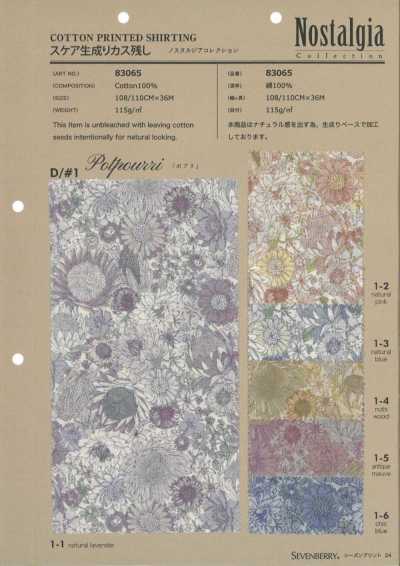
- For prints, the base color affects the final color, so confirm with a prototype.
Differences from Similar Terms
Bleached generally refers to a state or process in which whiteness has been increased through bleaching or similar treatment. Ecru refers to a white-based appearance that retains the material's original tone, so it may have more yellowing or unevenness than bleached fabric.
Greige fabric is a process term referring to fabric that is close to the state after weaving and before processing such as scouring or dyeing. Ecru is a color term, and ecru fabric is not necessarily greige fabric. There are also ecru fabrics that have undergone scouring or softening processes.
Frequently Asked Questions
What is the difference between ecru and white?
White broadly refers to colors made to look white, including bleaching or dyeing, whereas ecru often refers to a natural white tone that retains the fiber's original yellowish, grayish, or granular feel. However, the use of color names varies, so it is necessary to compare actual samples.
Does ecru fabric always shrink?
What should you watch for when printing on ecru fabric?
Because the base color of ecru is not pure white, the printed color may look different from the sample. In addition, raw-material-derived pigments and lot differences affect the base color. It is important to make a sample on the actual fabric before full production and also check color differences from lot to lot.