Ladder Lock
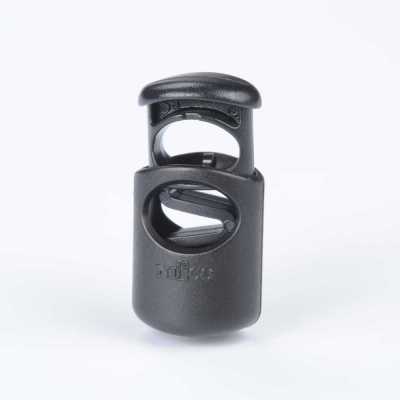
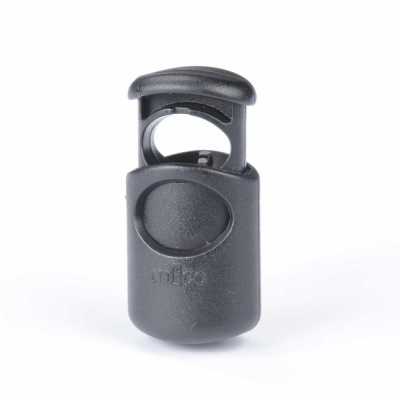
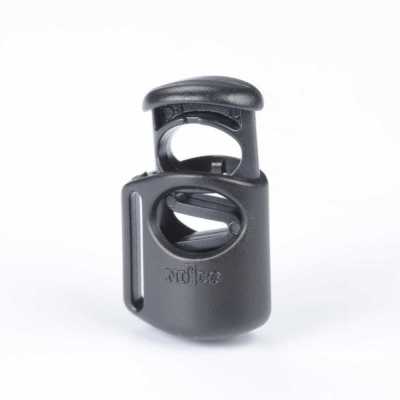
A ladder lock is a buckle that is threaded with tape back and forth through multiple bars to adjust and hold the length in steps by friction.
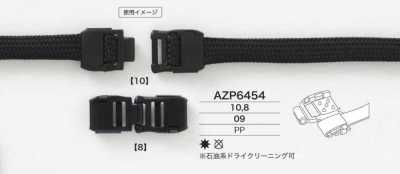
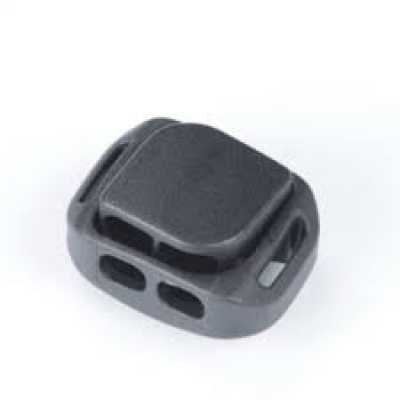
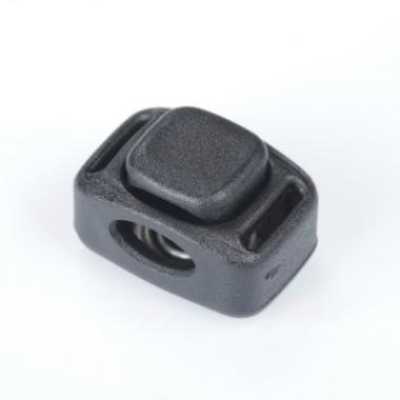
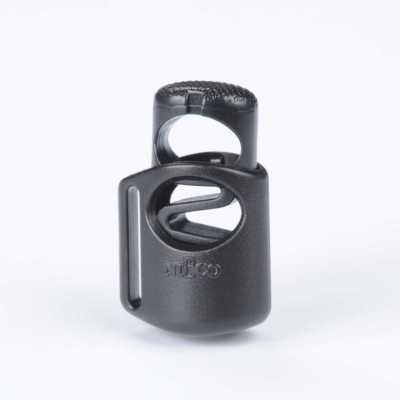
Contents6 sections
Definition and Overview
A ladder lock is a buckle used to adjust length, threaded through bars arranged like a ladder. It tightens when the tape is pulled, and its structure makes the tape less likely to slip back due to the load and friction during use. It is used for bag straps, garment adjuster sections, and similar applications.
Unlike a side-release buckle that connects and disconnects the left and right parts, its main role is to adjust and secure the tape length. Slide adjusters and keeper rings are also fittings used to adjust tape length, but a ladder lock is characterized by the way the tape is threaded and held by friction.
Materials and Structure
In plastic versions, polyacetal and polypropylene are used, and they tend to be lightweight and easy to use in applications that may get wet. Metal versions are also available and are selected according to appearance, required strength, and the usage environment. Depending on the material, weight, weather resistance, low-temperature properties, and susceptibility to surface damage differ.
The body consists of an outer frame and multiple crossbars. The tape is threaded between the bars in the specified order and folded back, then secured by friction generated in the direction of pull. Holding power depends not only on the body shape but also on the tape thickness, weave, slipperiness of the surface, and threading method.
- Plastic versions are suitable for specifications that emphasize light weight.
- Metal versions require attention to weight, surface finish, and rust resistance.
- If the tape is too thin or too slippery, slippage may occur.
How Sizes Are Shown
The size of a ladder lock is generally indicated based on the width of the tape to be threaded through it. When selecting one, check the inner dimensions through which the tape passes and the actual width of the tape to be used, rather than the outer dimensions. If the tape width and inner dimensions do not match, it can cause threading difficulty, sideways shifting, and reduced holding power.
Even with the same indicated tape width, threading ease varies depending on thickness, weave structure, and the stiffness caused by heat-cut edges. Before mass production, it is important to thread the actual tape to be used and confirm the adjustment operation, holding condition, and handling after sewing.
Main Applications
It is mainly used for bag shoulder straps, backpack belts, garment hems and hood areas, and waist adjustment sections. Because the length can be adjusted by pulling the tape, it is suitable for areas where the size needs to be changed according to the wearer or contents being carried.
When used in garments, the specification should also include the position where it contacts the body during wear, the body thickness, treatment of the tape ends, and durability during washing. For outdoor and workwear applications, repeated adjustment, load, dirt, and water exposure must be considered in verification.
Selection and Precautions
First select a shape that matches the tape width, thickness, material, and surface condition. Where strength is required, do not judge based on the body alone; perform a tensile test including the tape, sewn sections, and sewing specifications. For applications related to personal safety or supporting large loads, a safe design suitable for the application is necessary.
Metal versions may rust or discolor depending on the environment, such as humidity, sweat, washing, or seawater. Plastic versions may also change properties due to ultraviolet light, low temperatures, chemicals, or aging over time. Check the compatibility of the finish and material, and evaluate them in the intended product environment.
For products that undergo needle detection, specify whether they are metal or plastic in the specification sheet. Even when needle detector compatibility is required, confirm operation not only for the accessory material itself but also for the product's overall metal accessories, sewing needle management, and needle detection conditions.
- Match the tape width to the buckle inner dimensions.
- Check tape slippage and ease of adjustment in actual use.
- Evaluate required strength including the tape and sewn sections.
- For metal versions, check rust, plating discoloration, and feel against the skin.
- Determine the material and process control according to whether needle detection is required.
Frequently Asked Questions
How is a ladder lock different from a slide adjuster and a keeper ring?
All are accessories used to adjust tape length, but their shapes and threading methods differ. A ladder lock has tape threaded back and forth through multiple bars and is held by friction. Slide adjusters and keeper rings generally refer to adjustable rings with a rectangular frame and a center bar. Usage of these names may vary depending on the trading partner or region.
Should I choose a ladder lock in the same size as the tape width?
Basically, choose one with inner dimensions that match the width of the tape being threaded through it. However, even if the indicated width is the same, the ease of threading and holding power vary depending on tape thickness, stiffness, and surface slipperiness. Before mass production, it is necessary to thread the actual tape, and confirm operability during adjustment, slippage under load, and fit after sewing.
Can metal ladder locks be detected by a needle detector?
Metal versions may trigger a needle detector, but whether detection is possible and under what conditions depends on the material, shape, and needle detector settings. For products that require needle detector compatibility, check the accessory specifications in advance and test the product in its finished state. Even with plastic versions, separate management of broken sewing needles is still necessary.
- Search products for "Ladder Lock"
- Products with material "Polypropylene"
- Products with material "Metal"
- Products with material "Polyacetal"
- Products for style "For Outerwear/blousons/coats"
- Products for style "For Sports"
- Products for style "Outdoor"
- Products for style "For Uniforms/Workwear"
- Products for style "For Bags"
- Browse Buckles And Rings products