Linen Count
Linen count is a fixed-length yarn count used mainly for linen and other linen-spun yarns, and it indicates yarn thickness by a count system in which a larger number means a finer yarn.

Contents6 sections
Definition and Overview
Linen count is a Lea-based count that expresses the thickness of linen and other linen-spun yarns. It is a fixed-length system that indicates the number of leas in a given weight of yarn, and generally, a larger number means a finer yarn.
A lea is a traditional unit of yarn length, and in linen count, 1 lea is treated as 300 yards. The notation is used in linen yarn design and trade, but it does not by itself determine fabric thickness or sheerness.
Hand Feel and Effect on Fabric
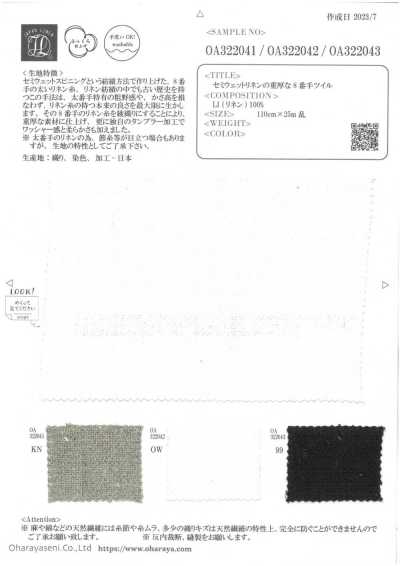
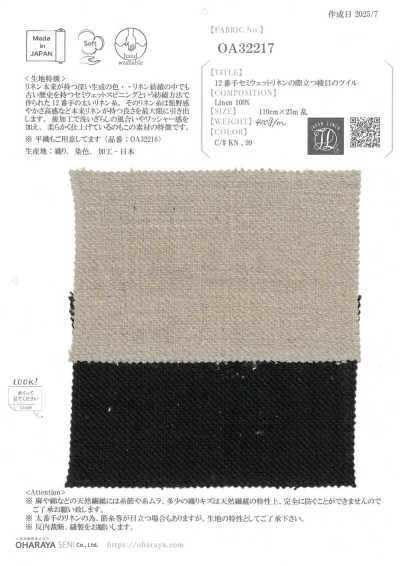
Using finer linen yarn generally makes it easier to create a delicate, supple look and is suitable for lightweight fabric design. With thicker yarn, it is easier to express the natural slubs and rugged appearance of linen, as well as moderate body.
However, hand feel, breathability, sheerness, and strength cannot be judged by linen count alone. It is necessary to check the raw material type, whether it is single yarn or ply yarn, twist, weave structure, warp and weft density, finishing, and more together.
Main Applications
Relatively fine linen yarn is used for shirts, blouses, dresses, lightweight summer garments, scarves, and similar items. Taking advantage of linen's moisture absorption and dry touch, it is often used for clothing in hot weather.
Thicker linen yarn is used for fabrics that require texture and durability, such as jackets, pants, bags, and interior applications. Even with the same linen count, applications vary greatly depending on the weave and density.
How to Choose and Handling Precautions
When selecting fabric, use linen count as a reference point, while also checking fabric weight, density, structure, blend ratio, and finished width. For planning and ordering, specifying the count of both the warp and weft, as well as whether the yarn is single or ply, in the specification sheet helps prevent misunderstandings.
Linen materials may shrink or wrinkle due to washing, moisture, or heat. Before mass production, check the fabric shrinkage rate and, if necessary, pre-wash or straighten the grain. In sewing, adjust the needle, thread, and stitch conditions according to the fabric's openness or firmness to prevent puckering.
- Follow the care label for each fabric for washing methods and ironing temperature.
- Check changes in grain direction and dimensions before and after cutting.
- For samples and mass production, also check hand-feel differences caused by lot variation.
Differences from Similar Terms
Count is a general term that indicates yarn thickness, and there are multiple systems of notation depending on the material, region, and application. Linen count usually refers to the Lea-based count used for linen-spun yarns, and even the same number cannot be directly compared with other count systems.
Metric count is also a fixed-length system that indicates thickness based on yarn length per a given weight. By contrast, denier and tex are fixed-weight systems that express thickness by weight per a given length, and the larger the number, the thicker the yarn, which is the opposite of linen count.
Frequently Asked Questions
Does a larger linen count number mean a thicker yarn?
No. Linen count is a fixed-length notation, and generally, the larger the number, the finer the yarn. However, fabric thickness and weight are not determined by count alone. Check the number of warp and weft yarns, single or ply yarn, weave structure, density, and finishing as well.
Can the sheerness of linen fabric be determined from linen count alone?
Can linen count and denier be compared in the same way?
No, they cannot be compared directly. Linen count is a fixed-length system based on length per a given weight, while denier is a fixed-weight system based on weight per a given length. The basis of the notation and the direction indicated by larger or smaller numbers are different.