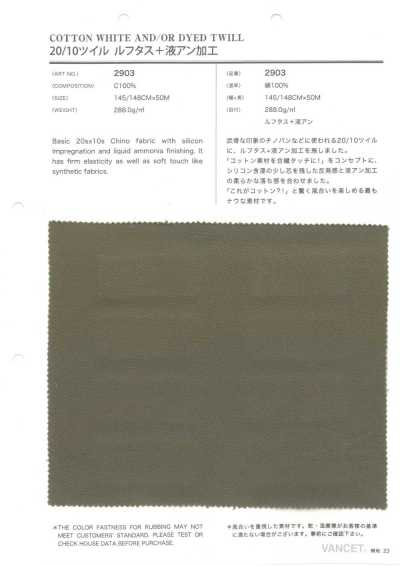
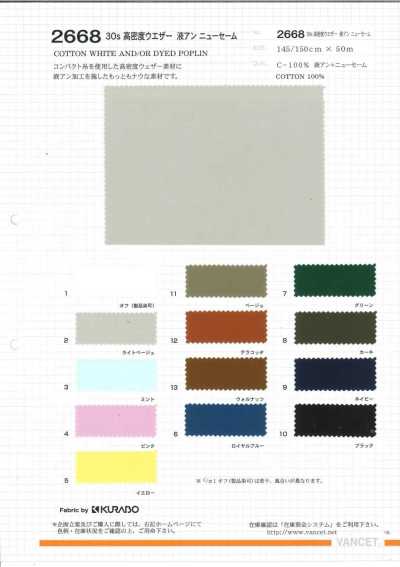
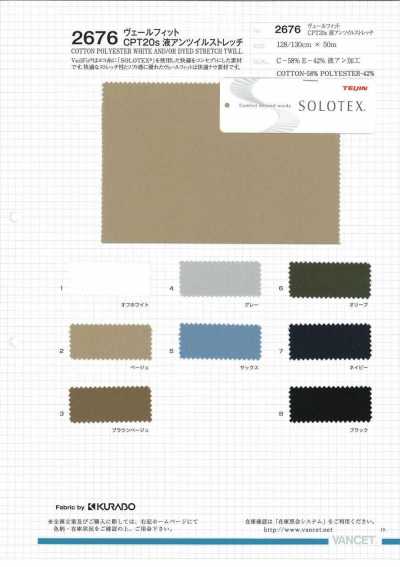
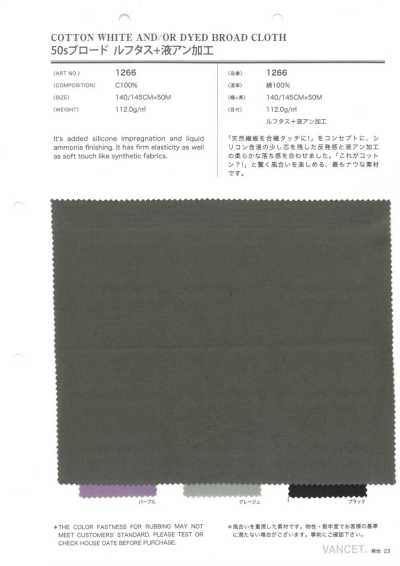
Liquid Ammonia Finishing
Liquid ammonia finishing is a process that treats cellulose fibers such as cotton with liquid ammonia to produce a soft hand, natural luster, and dimensional stability.
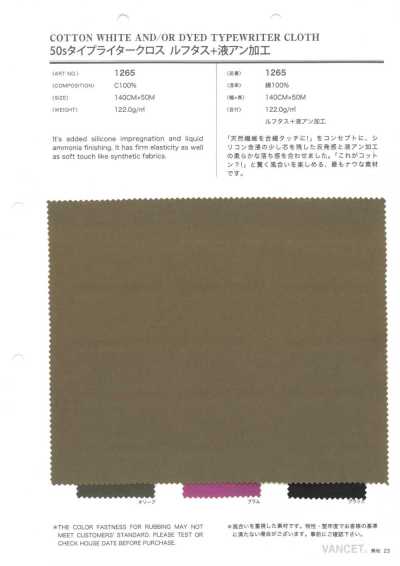
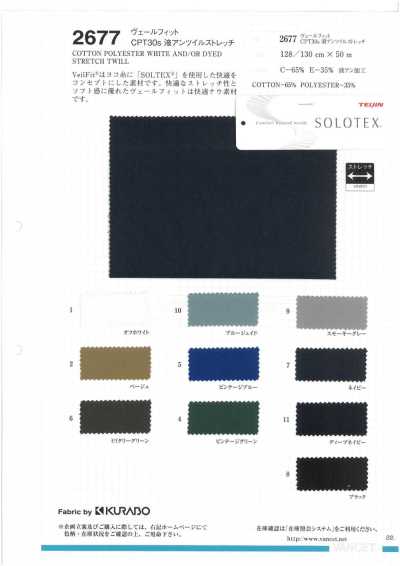
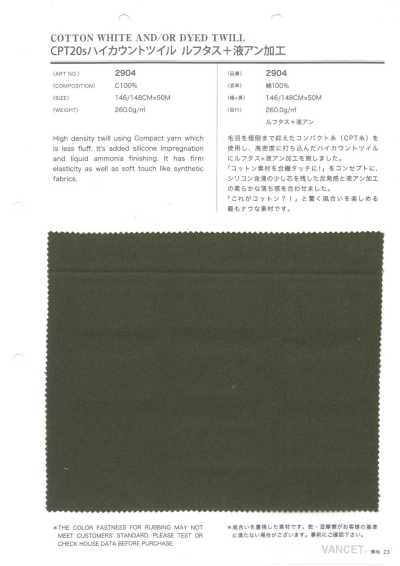
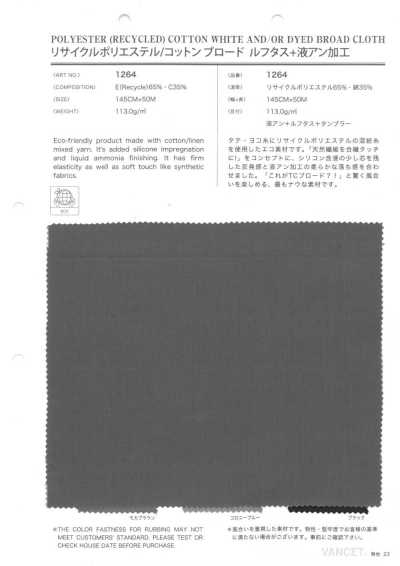
Contents6 sections
Definition and Overview
Liquid ammonia finishing is a modification process applied mainly to cellulose fibers such as cotton. After the textile is treated with liquid ammonia, the ammonia is removed to stabilize the condition of the fibers. It is also called liquid ammonia finish, liquid ammonia, or liquid ammonia processing.
It is a type of post-finishing that adjusts the properties of the fibers and textile, rather than a weave structure or material name. The result varies greatly depending on the textile density, yarn use, dyeing, and combination with other finishing processes.
Texture, Function, and Appearance
Through this process, cotton fibers swell and the internal structure becomes easier to align, generally giving a soft, smooth hand. It also makes it easier to achieve a supple drape and drapability, creating a clean appearance with reduced stiffness.
Surface fuzz may become less noticeable, and it can produce a natural sheen and a clear look. It is also sometimes used to reduce shrinkage and wrinkling after washing, but the degree of effect depends on the material and processing conditions.
Main Applications
It is used for shirts, blouses, dresses, pants, and similar items, taking advantage of its soft feel against the skin, elegant surface, and moderate drape. In high-density cotton textiles, it may be used to achieve a texture that retains firmness while becoming more comfortable with wear.
It is often applied to thin to medium-weight cotton materials, and is used not only for lightweight spring and summer clothing, but also for shirts and bottoms for layered autumn and winter outfits. Seasonal suitability is determined not only by the process name, but also by the fabric weight, weave structure, and blend ratio.
Selection and Handling Notes
When selecting, check not only the process name but also the blend ratio, fabric weight, density, stretch, shrinkage rate, and care label. Even if the textile has undergone liquid ammonia finishing, it does not completely eliminate dimensional changes caused by washing after product manufacturing, so washing tests should be performed on the textile and all attached components before full-scale production.
In sewing, soft, drapable textiles may stretch or shift during cutting and sewing. Allow for spreading and straightening, and confirm sewing conditions in advance. If surface sheen or fading is a concern, test the pressing conditions as well before deciding.
- Do not judge washing durability or shrink-resistance based only on whether the process has been applied.
- If there are combined processes such as silicone finishing or peach finishing, check the hand and handling conditions for each.
- If product washing is planned, confirm in advance that the intended hand may change.
Differences from Similar Terms
Silk finishing is a process that treats cotton with an alkaline solution to improve sheen and dyeability. Liquid ammonia finishing also adjusts the hand and appearance of cotton, but the chemicals and treatment methods used are different. The two are sometimes combined.
Shrink-resistance finishing is mainly intended to reduce shrinkage from washing. Liquid ammonia finishing, on the other hand, is treated as a process that comprehensively improves flexibility, smoothness, sheen, and dimensional stability. Actual shrink-resistance should be confirmed through individual test results.
Frequently Asked Questions
Do textiles with liquid ammonia finishing not shrink when washed?
Liquid ammonia finishing may help improve dimensional stability, but it does not completely prevent shrinkage. Shrinkage varies depending on the weave structure, blend ratio, dyeing and finishing conditions, and washing method. It is important to check the shrinkage rate specified for the textile and the care label, and to carry out washing tests on the product.
Are liquid ammonia finishing and silk finishing the same?
No, they are not the same. Silk finishing is a process that mainly improves the sheen and dyeability of cotton through alkaline treatment, while liquid ammonia finishing is a process that uses liquid ammonia to improve the hand and dimensional stability of the fiber. They overlap in some objectives, but the treatment method and the resulting texture are different.