Modacrylic
Modacrylic is a type of acrylic synthetic fiber that is flame-retardant and is used in clothing, workwear, pile products, and other items by taking advantage of its soft, wool-like feel.
Contents6 sections
Definition and Overview
Modacrylic is a synthetic fiber made from a copolymer whose main component is acrylonitrile. It belongs to a category close to ordinary acrylic, but its major feature is that its composition is adjusted to give it flame-retardant properties that make it less likely to spread fire.
It is processed into a wide range of forms, including woven fabrics, knitted fabrics, nonwoven fabrics, and pile. In addition to being used alone, it is also blended with cotton, polyester, rayon, and other materials to balance comfort, strength, absorbency, flame resistance, and other properties.
Texture and Function
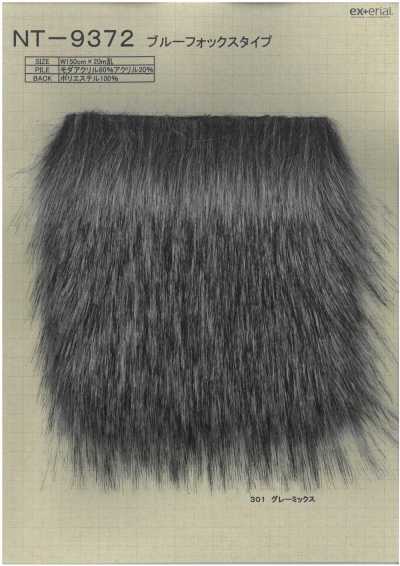
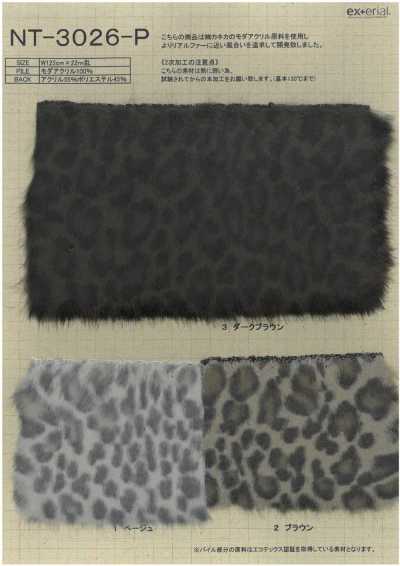
Modacrylic is bulky and soft, and when brushed or made into pile, it can easily express a fur-like appearance. It takes dye well, and its color development, luster, and nap vary depending on the fiber specification, yarn shape, fabric structure, and post-processing.
Many modacrylics are hard to keep burning even when exposed to flame, and combustion is not easily sustained once the heat source is removed. However, flame-retardant performance differs depending on the type of fiber, blend ratio, and fabric structure, so the performance required for the application should be confirmed on a fabric basis.
Its moisture absorbency tends to be lower than that of natural fibers, and static electricity may occur in dry conditions. For apparel where antistatic properties, sweat absorption, and hand feel are important, it is also advisable to check the blended materials and whether antistatic finishing has been applied.
Main Applications
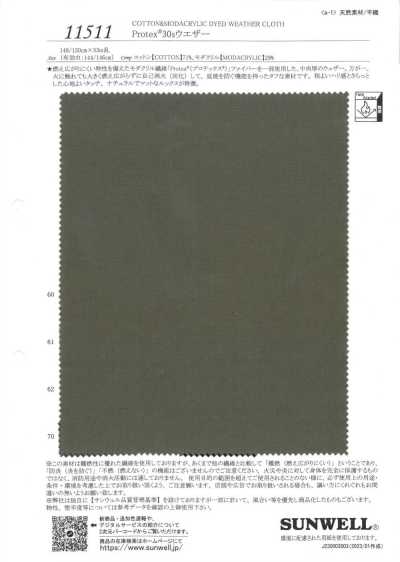
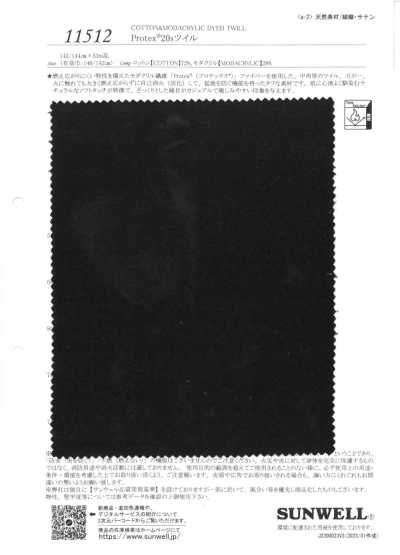
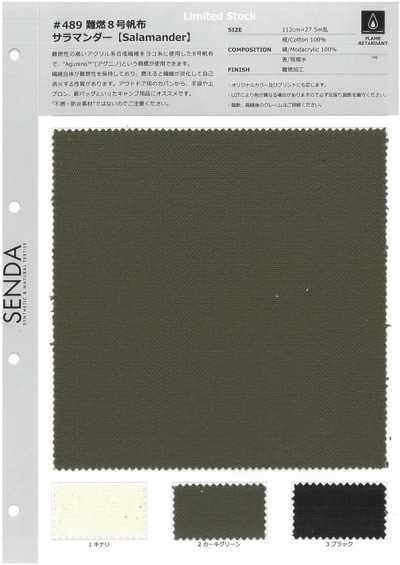
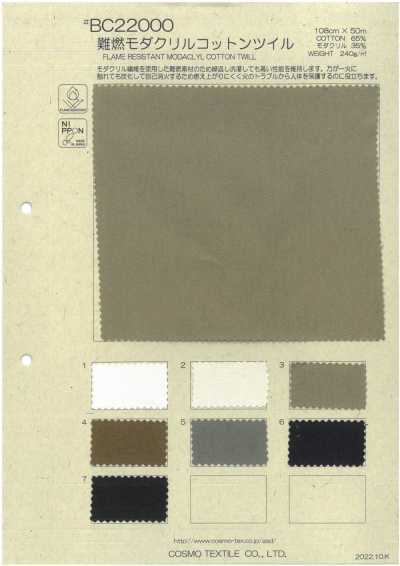
Taking advantage of its flame-retardant properties, it is used in workwear, uniforms requiring protective performance, and some bedding and interior applications. From lightweight shirting fabrics to medium-weight twills, weather cloth, and ripstop with tear resistance in mind, applications vary depending on the fabric design.
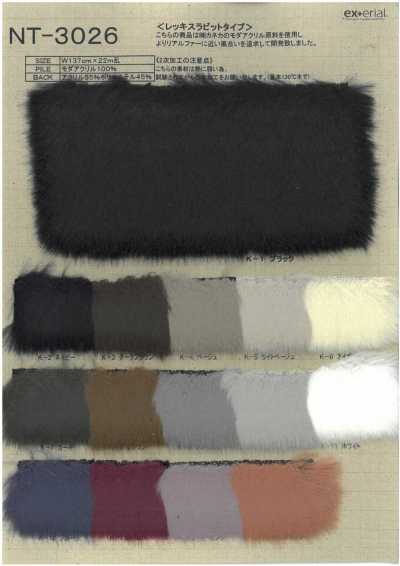
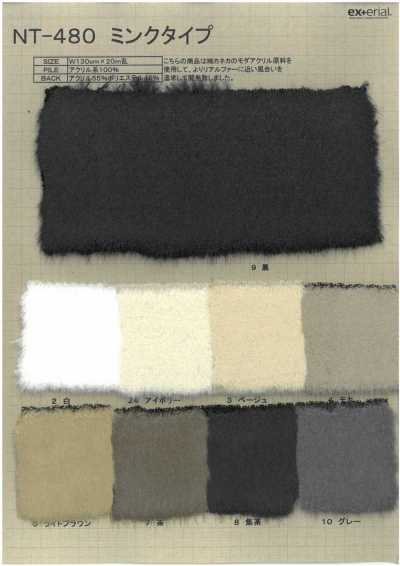
Because it can produce soft pile and volume, it is also used for fake fur, boa fleece, stuffed toys, and wig fibers. While it is often used as a material to create a warm feel for autumn and winter, flame-retardant fabrics are also adopted for year-round workwear.
- Workwear, uniforms, and protective apparel
- Flame-retardant fabrics for shirts, jackets, and pants
- Fake fur, boa fleece, and pile products
- Textile products for bedding and interior use
Selection and Handling Notes
When selecting, check not only the modacrylic blend ratio but also the required flame resistance, tear strength, abrasion resistance, antistatic properties, and wash durability. When flame resistance must meet the application conditions, confirm the test results or labeling for the finished fabric or product.
Because heat may cause softening, shrinkage, or deformation, high-temperature ironing and tumble drying require caution. Washing methods, whether bleach can be used, and ironing temperature also vary depending on the blended materials and finishing, so follow the care label on the product and the handling conditions from the fabric supplier.
In sewing, adjust needle size, thread, stitch count, and sewing speed to suit the fabric in order to reduce damage around needle holes and seam shrinkage caused by heat. Before mass production, it is important to check seam puckering, needle holes, and dimensional change after washing through trial samples.
Difference from Acrylic
Modacrylic and acrylic are both acrylic synthetic fibers, but they are not the same. Modacrylic differs from ordinary acrylic in its compositional classification and is handled as a material characterized by flame resistance. In material labeling and quality control, confirm the fiber name without confusing the two.
Aramid is also known for flame-retardant and heat-resistant applications, but its fiber structure and performance strengths differ from those of modacrylic. For applications that require high heat resistance or strength, organize the usage environment and compare and select based on the overall fabric specification rather than the material alone.
Frequently Asked Questions
Does modacrylic lose its flame resistance after washing?
The flame resistance of modacrylic itself is largely due to the nature of the fiber and is not immediately lost through proper washing. However, product performance may change depending on the blended materials, post-processing, dirt buildup, and washing conditions. Please check the care label and the performance standards for the intended use.
Can modacrylic be ironed at high temperature?
Modacrylic may soften, shrink, become glossy, or deform when exposed to heat, so high-temperature ironing should generally be avoided. Start with a low-temperature setting, use a pressing cloth, test on an inconspicuous area, and follow the handling conditions for the fabric, including any blended materials.