


Nubuck
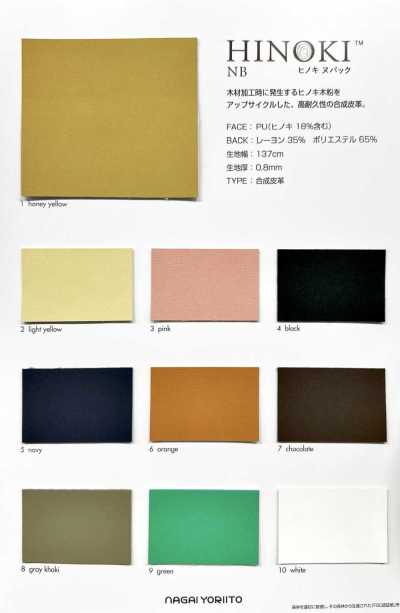
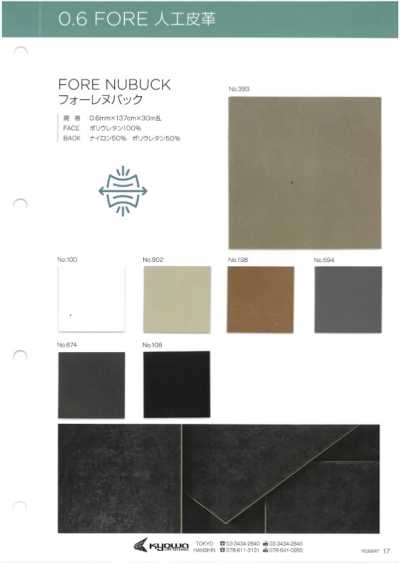
Nubuck is leather that has been finely brushed on the grain side to create a velvet-like finish, or synthetic material that reproduces that texture.
Contents6 sections
Definition and Overview
Nubuck is leather that has had the grain side, mainly the surface of cowhide, lightly abraded with sandpaper or similar tools to raise fine nap. While making use of the surface layer of the leather, it gives a supple matte appearance and a fine hand feel.
In the fabric and synthetic leather fields, materials with a similar appearance created through brushing, polishing, etching, and other processing may be called nubuck-style. For this reason, do not determine whether it is natural leather or a synthetic material from the name alone; check the blend ratio and care tag.
Characteristics
Genuine nubuck has shorter nap than suede and is characterized by a delicate, even brushed surface. Depending on how the light hits it and the direction of the nap, the shade changes, creating a calm, premium look.
On the other hand, the brushed surface is easily affected by moisture, oil, and friction, and dirt and color changes may stand out. Nubuck-style synthetic leather and artificial leather differ in softness, breathability, durability, and other properties depending on the material composition and surface finish.
- It can appear uneven in color due to the direction of the nap.
- If the surface is rubbed strongly, the nap may flatten and become shiny.
- Genuine leather varies in texture depending on the part and individual hide.
Main Applications
Nubuck is used for fashion miscellaneous goods such as shoes, bags, belts, and gloves, as well as for partial use in jackets and coats. With its warm appearance, it is generally a material that works well for autumn and winter items.
Nubuck-style synthetic materials are used for clothing, bags, hats, interior applications, and more. They are available in a range from lightweight to heavyweight, and it is important to check the base fabric, thickness, stretch, and back-side specifications according to the application.
Selection and Handling Precautions
For genuine nubuck, confirm the thickness, firmness, nap, and color consistency needed for the application using the actual material. Before cutting, aligning the nap direction helps reduce color differences between parts. For natural leather, rather than shrinkage rate like fabric, also pay attention to hardening, distortion, and color changes caused by getting wet.
Washing methods vary greatly depending on the material. Genuine nubuck should not be washed at home; consider professional care according to the care instructions. For nubuck-style fabric and synthetic leather as well, confirm whether washing is possible, hydrolysis resistance, and abrasion fastness, and conduct washing tests before mass production.
In sewing, needle holes can be noticeable, and resewing may be difficult. Avoid using straight pins and use clips instead; to prevent feed marks and presser-foot marks, adjust the presser foot and feed conditions in advance using scrap pieces.
Difference from Suede
Nubuck is made by raising the grain side of the leather, whereas suede is made by raising the flesh side of the leather. In general, nubuck has shorter, denser nap, while suede tends to be softer and show a more noticeable fuzziness.
However, there is variation in processing methods and in the terms used in distribution. Also, nubuck-style may refer not to genuine nubuck leather but to synthetic leather, artificial leather, or brushed woven or knit fabrics. In specifications and purchase orders, list the material composition and surface details together.
Frequently Asked Questions
Can nubuck be washed?
Genuine nubuck is generally not suitable for home washing because water exposure may cause stains, hardening, distortion, and fading. Nubuck-style fabric and artificial leather differ by product, so judge according to the care label and test results.
Are nubuck-style materials and nubuck leather the same?
They are sometimes used to mean the same thing, but nubuck leather usually refers to genuine nubuck, while nubuck-style may also include synthetic leather, artificial leather, and brushed fabrics with a similar texture. Check the material type on the care label or specification sheet.
What should be noted when sewing nubuck-style materials?
Check in advance whether scratches, presser-foot marks, or feed marks will appear on the surface. Because some materials retain needle holes from resewing, reducing the use of straight pins and using clips is effective. Also check for seam puckering and slipping with a test stitch.





