Nylon Button
A nylon button is a molded button made primarily from nylon resin, with shapes such as surface holes or shanks, used for fastening and decoration on clothing and fashion accessories.

Contents6 sections
Definition and overview
A nylon button is a molded button made from nylon, a polyamide synthetic resin. Taking advantage of its light weight and moldability, it is available in shapes and colors suited to different applications, from basic apparel to decorative hardware.
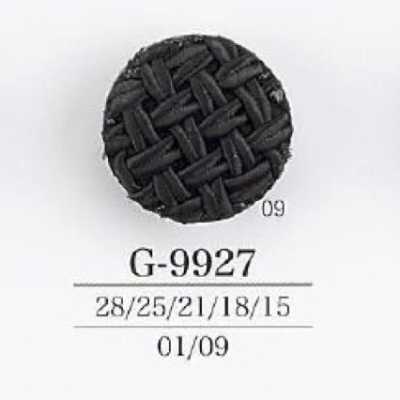
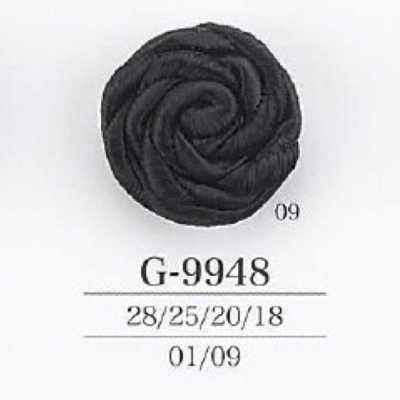
“Nylon” is also used as a material name for fibers, but in nylon buttons it refers to the resin material of the button itself. In addition to items made only from nylon resin, there are also products combined with epoxy resin, ABS resin, glass, cord, and other materials.
Materials and structure
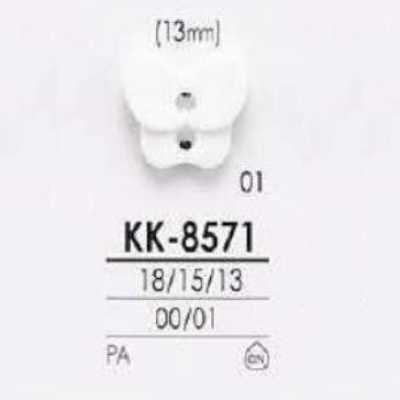
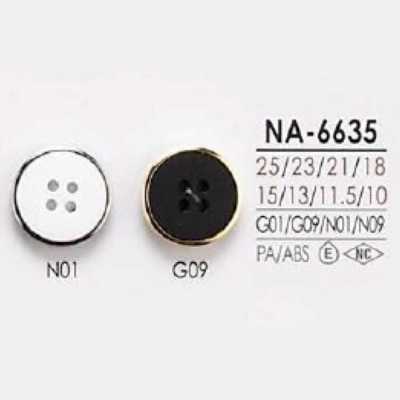
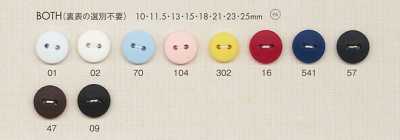
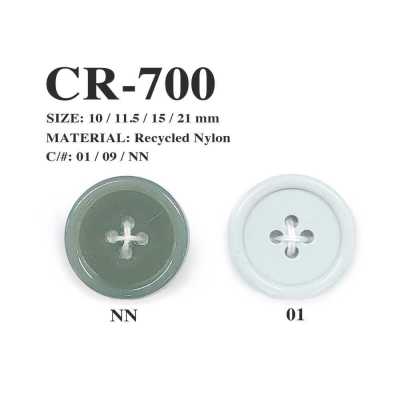
They are generally molded in a die, and there are top-hole buttons with holes in the surface and shank buttons with thread passed through a shank on the back. Top-hole styles include two-hole, four-hole, and cat’s-eye types, while shank styles include tunnel shank, ring shank, and square shank specifications.
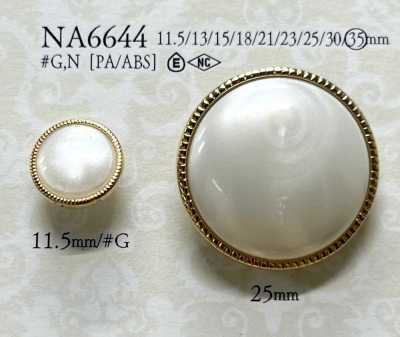
Top-hole buttons attach relatively securely to the body of the garment and are used for shirts, blouses, workwear, and more. Shank buttons create space between the button and the textile, so they are also used for thicker textiles and designs that emphasize decoration.
The properties of nylon resin vary depending on the type of resin, formulation, color, thickness, and combination with other materials. Rather than judging strength or heat resistance from the material name alone, it is important to check the shape, thickness, and applications with an actual sample and specification sheet.
How to express the size
The size of a button is shown not only by diameter in millimeters, but also in lignes. Lignes are a customary unit used for buttons, and 1 ligne is 0.635 mm. When placing orders or writing specifications, standardize whether the size is specified in lignes or mm.
Even with the same stated diameter, the appearance and compatibility with the buttonhole change depending on whether there is an edge, the roundness, thickness, and shank height. The length of the buttonhole should be checked in a prototype, including not only the button’s maximum diameter but also its thickness and shape.
- Check whether the hole diameter and hole spacing of the top-hole style are suitable for the button-sewing thread and sewing machine being used.
- For shank styles, check the shank height and set the specification so it places no undue strain on the fabric thickness or the overlap of the front placket.
- Before mass production, carry out an actual opening-and-closing test on the buttonhole to check for difficulty in passing through and looseness.
Main applications and handling
Nylon buttons are used for shirts, blouses, jackets, outerwear, uniforms, children’s clothing, bags, and more. Taking advantage of their light weight and wide range of shapes, they are selected to match the textile thickness and intended use, from practical fasteners to decorative accessories.
When sewing them on, align the thread evenly across the holes for top-hole styles and pass the thread through the base of the shank for shank styles. For thicker fabrics or areas that need extra room, make a thread shank so there is the proper amount of space between the button and the textile, which helps reduce stress on the buttonhole.
Resistance to washing, dry cleaning, and ironing varies depending on the type of resin, coloring, and any adhesive or composite portions. Direct exposure to high-heat ironing, strong impact, or prolonged contact with solvents may cause deformation, cracking, surface changes, or discoloration. Before production, test under the actual care conditions.
Differences from similar terms
Nylon button is a classification by material. Two-hole buttons, four-hole buttons, shank buttons, and tunnel shanks are classifications by hole or shank structure, and these shapes can also be made in nylon resin.
Polyester buttons, urea buttons, and ABS resin buttons are also resin buttons, but the resin used is different. Even if the appearance is similar, the molding method, suitability for dyeing or coloring, heat resistance, chemical resistance, and other properties are not necessarily the same, so confirm the material indication and product specifications separately.
Frequently asked questions
Should the size of a nylon button be specified in lignes or mm?
Both are used, but it is important to keep the notation consistent within the purchase order or specification sheet. Ligne is a customary unit for buttons, and 1 ligne is 0.635 mm. Listing not only the diameter but also the thickness, hole diameter, and shank height can help reduce misunderstandings.
Can a nylon button be ironed?
Direct high-heat exposure may lead to deformation, changes in gloss, discoloration, and similar issues, so caution is needed. Check not only the garment care label but also the specifications of the button being used, and test the actual item under ironing, washing, and dry-cleaning conditions before mass production.
Are nylon buttons resistant to breaking?
Impact resistance varies depending on the type and formulation of the resin, wall thickness, molding condition, shape, and usage environment. Thin sections and the base of the shank are more likely to concentrate stress, so for applications where strong pulling or impact is expected, confirm the strength with the actual textile and attachment method.