


Overcheck
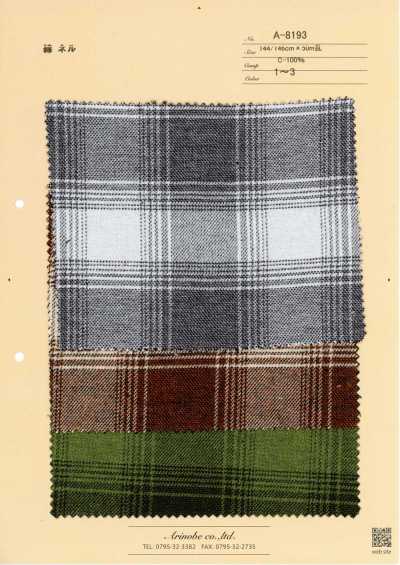
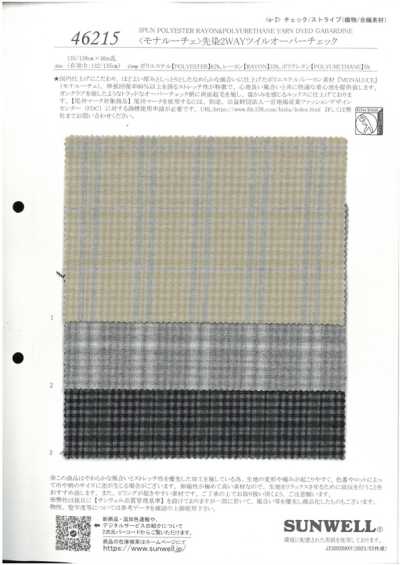
Overcheck is a check pattern created by overlaying a large check in a different color or line width on top of a fine check pattern or solid-looking ground pattern.
Contents6 sections
Definition and overview
Overcheck is a pattern in which a large plaid with a bold line or a striking color combination is layered over a fine check base or a woven pattern that looks solid. The overlaid plaid becomes an accent throughout the design and creates a sense of depth.
In woven fabrics, it is often expressed through the arrangement of yarn-dyed warp and weft threads, and it may also be expressed by printing. Overcheck is not the name of a weave structure or material; it is a pattern term that describes the construction and appearance of the plaid.
Pattern formation and naming
The typical structure is to layer a larger plaid in a different color over a basic plaid. Depending on the line thickness, color combination, and spacing of the larger plaid, the impression can range from subtle to strongly contrasting.
In the industry, it is sometimes called overplaid. The idea of layering a larger plaid over a smaller one is the same, but the extent of size difference or color contrast that qualifies as overcheck varies by planning and fabric naming.
- A type that layers bold plaid lines over a fine check
- A type based on houndstooth or Glen check
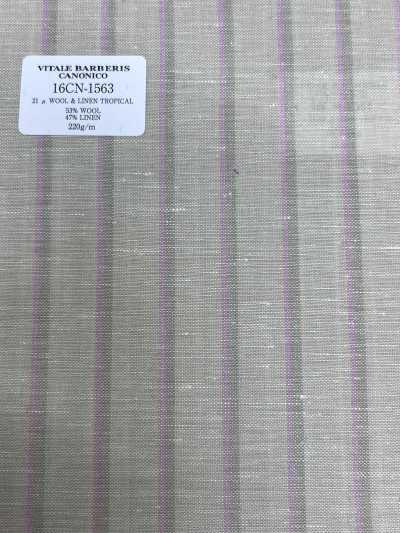
- A type that layers understated plaid lines over a solid-looking ground
Main applications and seasonality
It is used in traditional clothing such as jackets, suits, pants, skirts, dresses, and shirts. Because it includes large plaid lines, it is easier to create a stronger pattern presence than with only a fine base pattern.
On wool-like woven fabrics and brushed materials, it is often used in fall and winter items to take advantage of their warm appearance. On the other hand, if a lightweight yarn-dyed fabric is chosen, it can also be used for spring and summer items such as shirts and blouses. Seasonality is determined not by the pattern itself, but by the material, fabric weight, and finish.
Notes on fabric selection and cutting
When selecting, check the spacing between the base pattern and the overlaid plaid lines, the directional nature of the pattern, and whether it is symmetrical. It is important to consider not only how strong the pattern looks from a distance, but also where the plaid lines will appear on each part of the garment by laying the roll and pattern over each other.
If the plaid lines shift greatly at the front body, collar, pocket, yoke, or side seams, it will affect the finished appearance. When matching the pattern, specify in the specification sheet which plaid line is the reference and which areas must match, and allow extra fabric for pattern repeat movement during cutting.
With color and line constructions that have an up-down direction or grain orientation, flipping pieces during cutting may prevent the pattern directions from lining up. Before spreading, check the grainline, pattern direction, and plaid position from the selvage, and in marking also confirm the placement of the left and right body pieces and attached parts.
Differences from similar terms
Check pattern is a general term for all plaid patterns. Overcheck refers to a structure in which a larger plaid is layered over a base pattern. Tartan check is the name for a plaid made by arranging multiple colored stripes in the warp and weft, and its classification differs from overcheck.
Glen check is a representative pattern made by combining fine checks, and when a larger plaid line in a different color is added to it, it may be called overcheck. Windowpane is a relatively large plaid pattern like a window frame and does not necessarily have a base pattern.
Frequently asked questions
What is the difference between overcheck and Glen check?
Glen check is the name of a pattern formed by combining fine checks. Overcheck refers to a state in which larger plaid lines are layered over a base pattern such as Glen check. However, because there is flexibility in how pattern names are used in fabric sales, the actual pattern construction should also be checked.
When cutting overcheck, where should the pattern be matched?
Prioritize places that draw the eye, such as the center front, collar, placket, chest pocket, flap, and side seams. If it is difficult to match every area perfectly, decide on the reference plaid line and state the priority and allowable range in the specification sheet before cutting.
Is overcheck only a fall and winter pattern?
Overcheck itself is not a seasonal pattern. On brushed wool-like materials, it looks suitable for fall and winter, but if used on light yarn-dyed fabrics such as cotton or linen blends, it can also be used for spring and summer shirts and blouses. Seasonality is judged by the thickness, texture, and color combination of the material.





