Pigment Dyeing
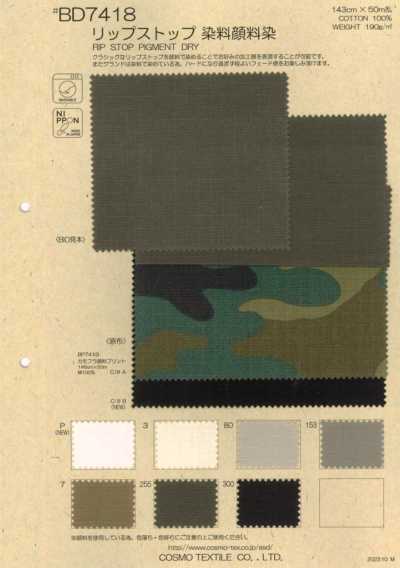
Pigment dyeing is a dyeing process that fixes pigment, a colorant, onto the surface of the textile with binder resin, making it easy to create a washed-out faded look and expressive appearance.
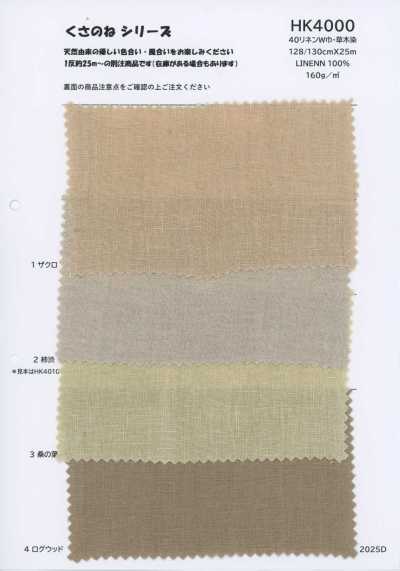
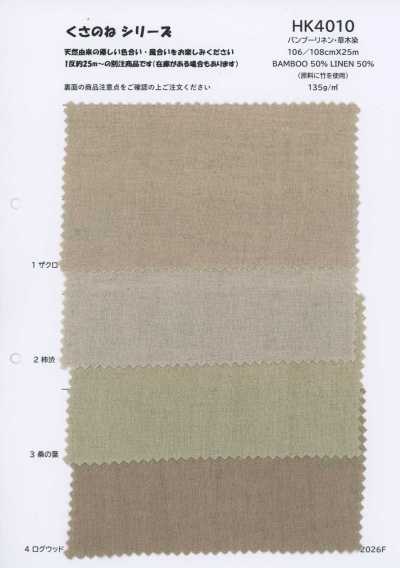
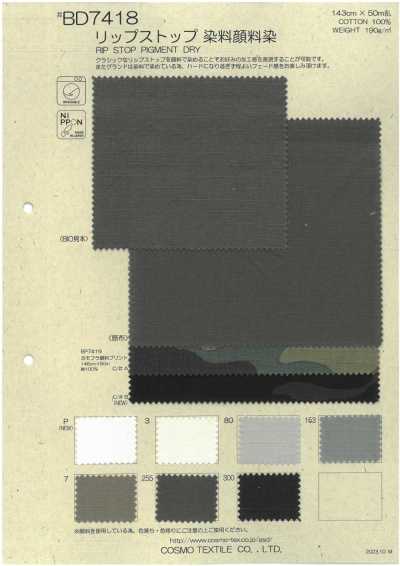
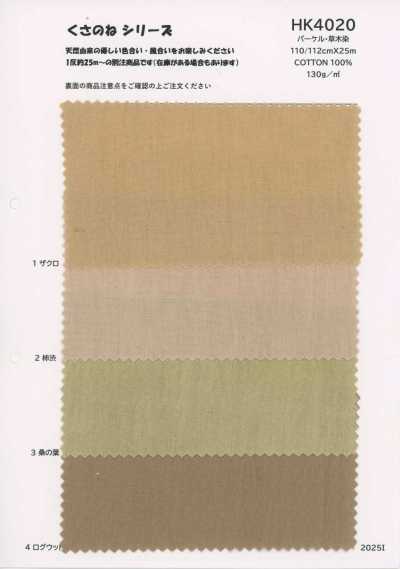
Contents6 sections
Definition and Overview
Pigment dyeing is a process that fixes pigments, which are difficult to dissolve in water, to the textile with a resin called a binder. It differs from ordinary dyeing, which penetrates dye into the fibers and binds it there, in the mechanism used to fix color.
Because pigment primarily colors the surface of the textile, changes caused by texture, washing, and friction are easier to see, making it easy to create a worn-in look. Some processes combine dyes and pigments to achieve both a clean color tone and a washed-out feel.
Texture and Appearance Characteristics
Textiles dyed with pigment dyeing generally tend to have a dry, slightly stiff feel, though the degree varies depending on processing conditions and softening treatment. Because the color sits on the surface, this process makes it easy to treat shading, fading, and worn-in effects as part of the design.
When combined with product washing, wear appears on seams, edges, and thicker areas, allowing a natural faded effect to be expressed. On the other hand, dyeing may be more suitable for applications that emphasize even, vivid color, deep penetration, and long-term color consistency.
- Color changes from washing and wear are easy to appear as part of the look.
- It is easy to take advantage of the texture of the structure, fuzz, and wrinkles of the textile.
- Depending on the type and amount of resin used, breathability, softness, and stretch recovery can change.
Main Applications
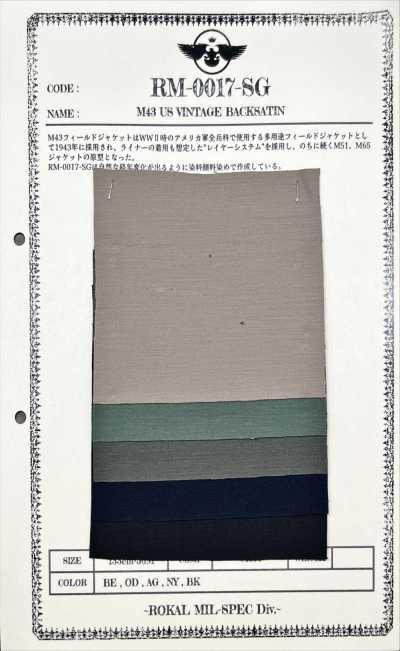
It is used mainly for casual materials such as cotton, in shirts, cut-and-sew tops, pants, skirts, dresses, jackets, and lightweight outerwear. It suits workwear, military, vintage-style, and natural-style planning.
It is not a process limited to a particular season, but it is sometimes used for spring and summer clothing to take advantage of its light washed-out appearance. In fall and winter, it is used on heavy cotton fabrics and French terry to create a worn-in casual look.
Selection and Handling Notes
When adopting it, check not only the desired color tone but also color change after washing, rubbing fastness, the resin’s effect on texture, and compatibility with stretch materials. If product washing is planned, it is important to confirm the appearance of wear and the look of sewn sections in advance with a wash sample.
Shrinkage is not determined by pigment dyeing alone, but is affected by the material, weave or knit structure, pretreatment, product washing, and more. Before cutting, if necessary, allow the fabric to relax and scald it, and consider pattern settings that account for shrinkage.
In sewing, needle damage, seam puckering, and wear marks on seam allowance or seams may stand out. Test thread color, needle size, and sewing conditions on the actual textile, and determine the specifications including the washing process after sewing. For washing, follow the care label, and avoid washing with light-colored items, strong friction, and long exposure to direct sunlight to reduce the risk of color change.
Differences from Similar Terms
Dyeing is a method of coloring by penetrating dye into the fibers and binding it there. In contrast, pigment dyeing differs in that the pigment is fixed to the surface with a binder. Since both terms may be listed together as processing names, confirm the actual formulation and finish with a fabric swatch.
Pigment printing is a process that uses pigment to print a pattern onto part of the textile. It differs in that pigment dyeing is used to color the entire textile. Also, garment dyeing refers to dyeing a sewn product after assembly, and pigment dyeing can be one of the coloring methods chosen for that process.
Frequently Asked Questions
Does pigment dyeing fade in the wash?
With washing and friction, the surface color may gradually change and appear as fading or wear. The extent of the change varies depending on the pigment, binder, material, and washing conditions. Before mass production, confirm with a washing test and wash sample whether the change is acceptable.
Does fabric with pigment dyeing need to be prewashed before sewing?
It is not always necessary, but if product washing will be done or shrinkage is important to the plan, consider allowing the fabric to relax in advance, scalding it, and performing trial sewing. Because the appearance of wear and shrinkage differs between the fabric alone and after sewing, it is important to check under conditions close to the actual process.