Plastic Button
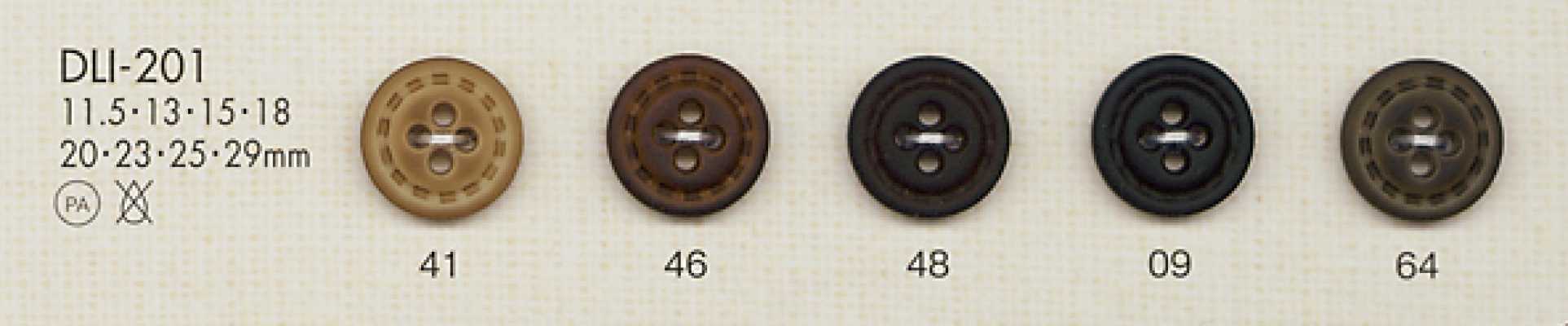
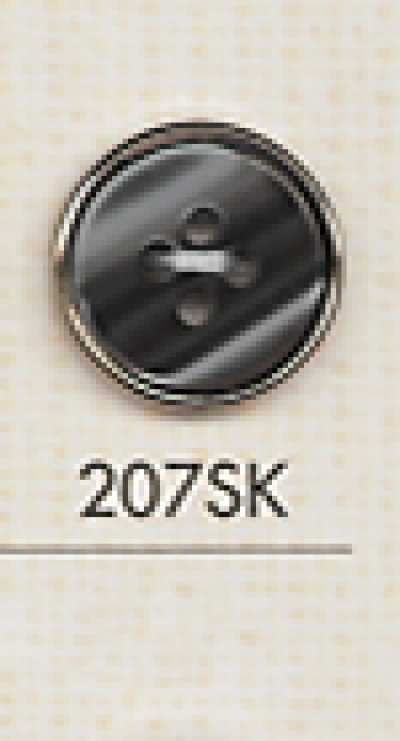
A plastic button is a garment button made from synthetic resin such as polyester resin, nylon, or ABS resin, with either a hole style or a shank style.
Contents6 sections
Definition and Overview
Plastic buttons are a general term for buttons made mainly from synthetic resin. They offer many choices in color, transparency, gloss, pattern, and shape, and are used for a wide range of garments from shirts to outerwear. Depending on the material, they may also be referred to separately as polyester buttons, nylon buttons, or ABS resin buttons.
Unlike natural-material buttons such as real buffalo horn buttons, shell buttons, and nut buttons, they differ in both raw material and appearance. Urea buttons and casein buttons are also resin-based buttons, but in practice they may be specified separately by material name from plastic buttons.
Materials and Structure
Representative materials include polyester resin, nylon, and ABS resin. Since hardness, gloss, impact resistance, heat resistance, and solvent resistance differ by material, they are checked not only for appearance but also according to the product's washing method and usage environment.
Structurally, they are broadly divided into hole types, such as two-hole, four-hole, and cat's eye, and shank types, in which thread is passed through a back shank. Hole types are common on shirts and casual garments, while shank types keep the button raised from the fabric, so they are also used for heavy fabrics and products that require a decorative look.
- Two-hole / four-hole: the basic type sewn on by passing thread through the holes.
- Cat's eye: a hole type with a central groove that makes it easy to hold the thread in place.
- Tunnel shank / ring shank: a shank type in which thread is passed through the back shank.
- Top hole: a hole type with the hole design visible on the front side.
How Sizes Are Indicated
Button size is shown in millimeters by diameter, and also in lignes. Lignes are a customary unit used for buttons, and in purchase orders and specifications, clearly stating whether ligne notation or millimeter notation is used helps prevent misunderstandings.
Even with the same nominal size, the appearance and compatibility with the buttonhole vary depending on whether there is a rim, the raised thickness, and the shank height. When specifying size, in addition to the diameter, it is important to confirm the thickness, hole size, shank shape, and buttonhole opening size.
Main Applications and Selection
Plastic buttons are used for shirts, blouses, cardigans, jackets, coats, pants, skirts, dresses, and children's clothing. Choose according to the fabric thickness and application, such as a light, flat hole type for thin fabrics, or a larger button or shank type for thick fabrics with ease of handling in mind.
When selecting, in addition to matching the fabric color, check the frequency of opening and closing, care instructions, and sewing method. Even when the appearance resembles natural materials or shell, the actual material may be resin. Material composition, surface finish, and whether dyeing is possible should be determined from the product specifications.
Attaching and Handling Precautions
Hole buttons are sewn on by passing button-sewing thread through the holes. If they are attached too tightly to the fabric, they become difficult to pass through the buttonhole, so create a thread shank as needed. For shank buttons, force tends to concentrate at the base of the shank, so check the thread tension and attachment strength.
Resistance to washing, dry cleaning, and ironing varies depending on the type of resin and surface treatment. Direct exposure to a hot iron, strong impacts, or prolonged contact with solvents or chemicals can cause deformation, cracking, changes in gloss, or discoloration, so caution is required.
- Before mass production, carry out washing and dry-cleaning tests with the button attached to the fabric.
- When ironing, avoid the button or use a pressing cloth and confirm the temperature conditions.
- After sewing, inspect for cracks, chips, looseness, and broken thread.
Frequently Asked Questions
Are plastic buttons and polyester buttons the same?
Polyester buttons are a type of plastic button. Plastic buttons also include those made from materials such as nylon and ABS resin in addition to polyester resin. Even if the appearance is similar, heat resistance and solvent resistance differ, so selection should be made by confirming the material name.
Should button size be specified in lignes or millimeters?
Either can be specified, but it is important to standardize the notation within your supplier and specifications. Lignes are a customary unit widely used for buttons, while millimeters are convenient for actual measurement. It is more reliable to list not only the diameter but also the thickness, number of holes, hole size, and whether there is a shank.
Can an iron be applied to plastic buttons?
Because heat resistance differs depending on the resin type and finish, the basic rule is not to apply an iron directly. Press while avoiding the button or use a pressing cloth, and confirm the temperature and time in advance. At high temperatures, deformation, loss of gloss, or surface damage may occur.
- Browse Plastic Buttons products
- Products with material "Polyester Resin"
- Products with material "Nylon"
- Products with material "ABS Resin"
- Products for style "For Shirts/blouses"
- Products for style "For Jackets/Suits"
- Products for style "For Outerwear/blousons/coats"
- Products for style "For Skirts And Dresses"
- Products for style "For Kids"
- Browse Button products