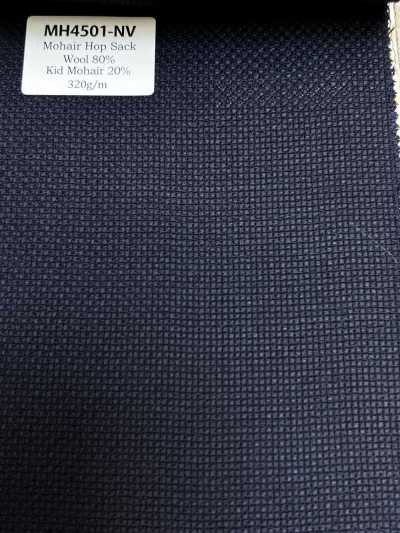
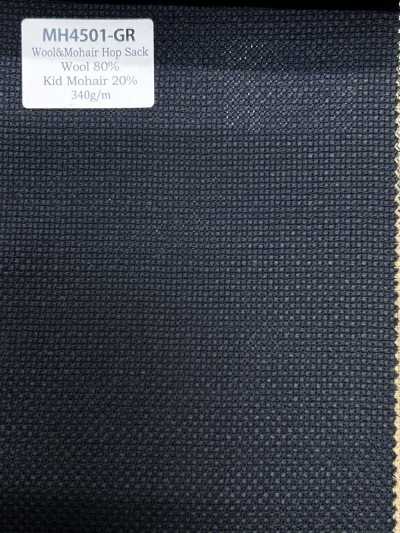
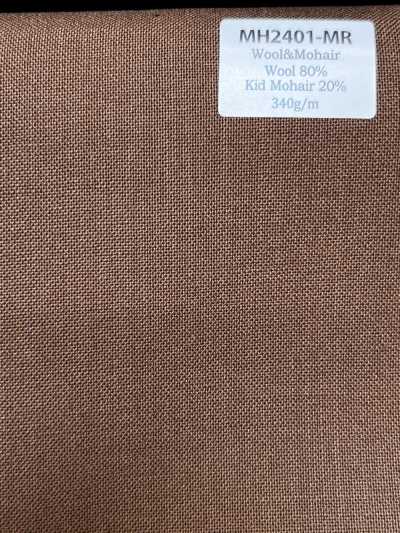
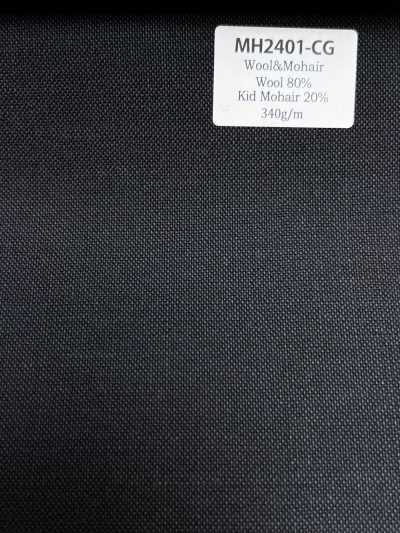
RMS
RMS is a voluntary certification standard that covers animal welfare for Angora goats involved in mohair production, land management, labor considerations, and traceability of raw materials.
Contents6 sections
Definition and Overview
RMS is a certification standard that promotes responsible handling from mohair raw material production through product supply. It is not a law or an import regulation, but a voluntary system in which a third party verifies compliance with specified standards.
The scope mainly covers farms that raise Angora goats and the processes that handle and distribute certified raw materials. The material name mohair, country-of-origin labeling, and care tags each serve different purposes.
Scope and How the Standard Works
On farms, the focus of verification includes animal welfare such as the health and handling of goats, land management including pasture and soil, and matters related to workers. The details and scope of application are confirmed in the latest version of the certification program.
In the processing and distribution stages, it is important to manage certified and non-certified raw materials and to keep transaction records so that transfers can be traced. This management is part of traceability, that is, a system for following the supply chain.
Fabric Procurement and Product Development
When planning to use RMS mohair, confirm with suppliers not only the mohair blend ratio in the fabric, but also the proportion of certified mohair, how certification is transferred, and whether transaction documents are available. Even for mohair-blend fabrics, not all of the material is necessarily certified raw material.
When making products based on certification claims, confirm before ordering whether the required certification management is maintained throughout the supply chain, including the fabric supplier, sewing factory, and brand side. Even when raw materials are supplied by the customer, lot-to-document matching is required.
- The mohair blend ratio in the fabric and the proportion of certified raw materials
- The validity period of the supplier's certificate and the covered processes
- Traceability documents such as transaction certificates for each shipment unit
- How certified and non-certified goods are identified during storage, cutting, and sewing
- Planned wording for hangtags, product pages, and advertising
Notes on Labeling and Certificates
Certificates include those that show that a business or process is covered by certification, and documents that show certified raw materials were transferred in a specific transaction. The former alone may not prove that certified raw materials were used in a particular fabric or product.
Names and certification-related labels for RMS should be consistent with the certified scope, raw material ratio, and proof of supply chain. Broad expressions such as "environmentally friendly" or "animal-friendly" should be used only after confirming the basis so that they do not go beyond what the certification verifies.
Differences from Similar Certifications
RMS is a certification for mohair. RWS is a standard for wool, and RDS is a standard for down and feathers; the animals and raw materials covered are different. Confirm the required certification according to the type of material.
GOTS and OCS are certifications mainly related to the content and management of organic fibers, while GRS and RCS relate to traceability management of recycled materials. RMS is not a certification that indicates recycled content or organic cultivation.
Frequently Asked Questions
If the fabric is RMS-certified, can the finished product also be labeled RMS?
Even if the fabric uses certified raw materials, whether labeling is allowed on the finished product depends on supply chain certification management, transaction documents, raw material ratio, labeling rules, and more. Do not judge based on the fabric certificate alone; you need to confirm the conditions for the entire production process and label approval.
Does RMS indicate the quality grade of mohair?
RMS does not define quality grades such as fiber fineness, length, luster, or strength. It covers Angora goat raising, land management, social considerations, and management for tracing certified raw materials. Texture and performance are confirmed separately through fabric specifications and testing.