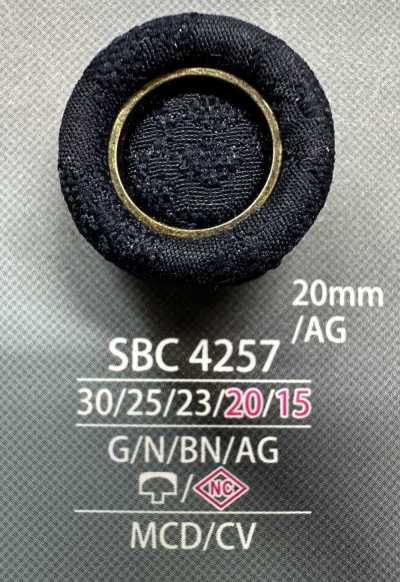
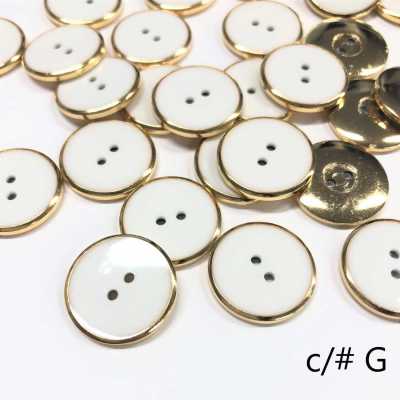
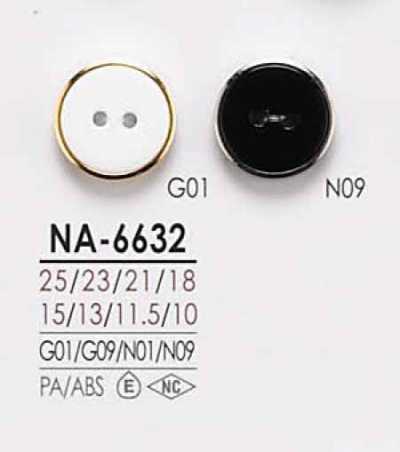
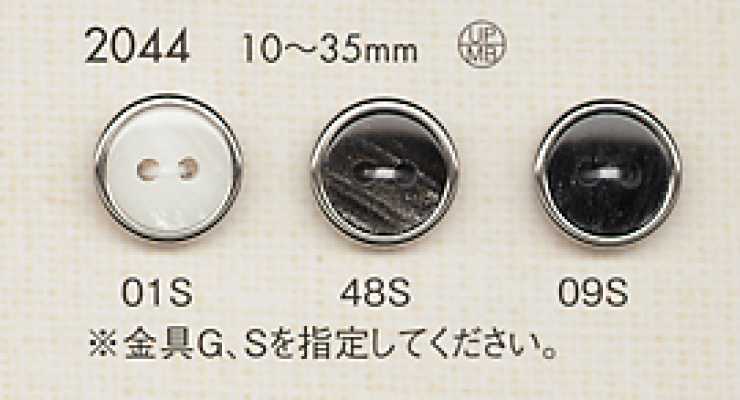
Cap And Close Post Button
A cap and close post button refers to a construction in which the front button part and the back component are secured by crimping, or to a decorative button that uses that construction.
Contents6 sections
Definition and Overview
A cap and close post button is a button made using a crimping method that fixes the shaft or post of the parts in place. It may also refer to a decorative button with holes for sewing on, and in sales settings it can be used as a term that covers both structure and appearance.
The name alone does not tell you whether it is a sew-on type or a type that is attached to fabric with a dedicated part. When placing an order, it is important to confirm the number of holes, whether it has a post, the attachment method, and whether parts are needed on the back side.
Materials and Structure
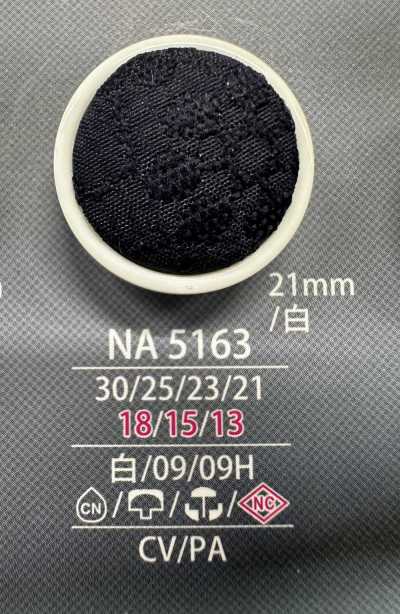
In addition to those made by combining a metal front part and back part, there are also types with a resin finish or a shell-like appearance. The front design is not limited to round shapes; stamped, painted, and wrapped styles are chosen to match the product design.
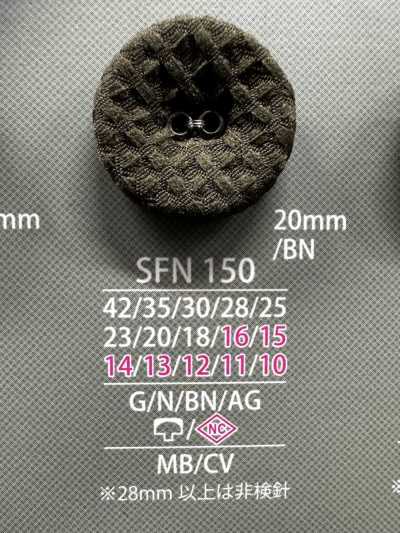
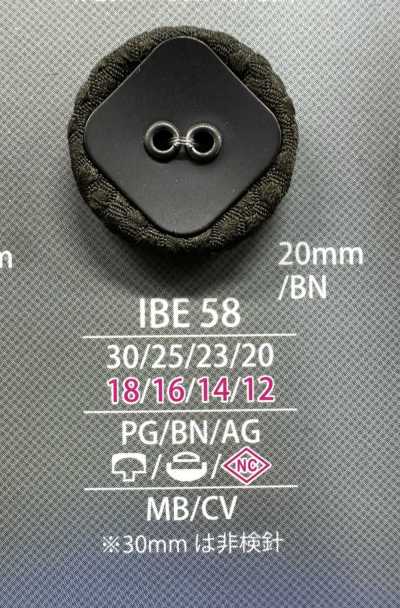
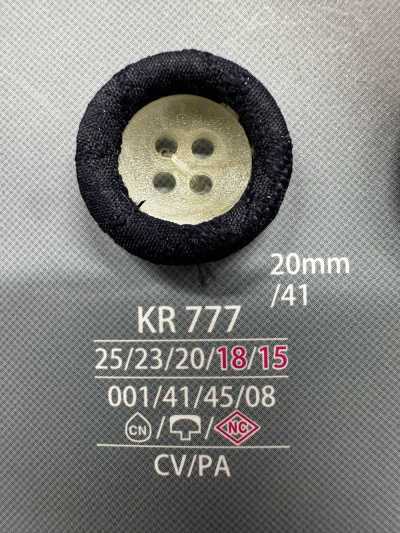
Types with holes include two-hole and four-hole versions, which are used by sewing on with thread. By contrast, types with no holes and with a shaft or post are generally attached by combining them with a back washer or similar part and crimping them with a setting tool or press machine.
- Two-hole and four-hole: a type sewn on with thread.
- Shank: a type with thread passed through the button back post.
- Set type: a type crimped through the fabric with the front and back parts.
How Size Is Expressed
Button size is shown by outer diameter in millimeters, and may also be expressed in lignes. Lignes are a unit used for button sizes, and even with the same nominal size, the apparent size can change depending on the shape and the height of the edge.
For set types, check not only the outer diameter but also the post length and the fabric thickness it can accommodate. If a short post is used on thick fabric, it may not crimp sufficiently, and if a long post is used on thin fabric, it may affect the finish on the back side and the wearing feel.
Main Applications and Notes on Attachment
They are used as fasteners or decoration in casual jackets, denim products, pants, blousons, workwear, bags, and more. Sew-on types can also be used for shirts and blouses, but the balance between fabric thickness and button weight should be considered.
Set types are attached using the specified setting tool, washer, and press conditions. Whether a pilot hole is made in the fabric and whether reinforcing interlining is used depends on the part structure and the fabric, so before mass production, attachment tests and pull strength checks are performed on the actual fabric.
Suitability for washing and dry cleaning varies depending on the material, surface treatment, and whether there is bonding or coating. Strong impact or excessive pressure can cause cracking, deformation, or damage to the plating, and an iron may cause discoloration or heat damage if applied directly to the surface.
Differences from Similar Terms
A tack button generally refers to a button with a front button part and a nail-like back part that is set in place, and is often used on the front opening and pockets of denim items. Cap and close post button may be used as a broader term, and can sometimes include perforated decorative buttons.
An eyelet button may refer to something that has a structure like an eyelet that reinforces the area around a hole. Since cap and close also refers to a process for fixing parts in place, the distinction is made by checking the attachment structure rather than the shape.
Frequently Asked Questions
Can a cap and close post button be attached with a sewing machine or by hand sewing?
Cap and close post buttons with a structure for passing thread through, such as two-hole, four-hole, and shank types, can be sewn on. Set types cannot be fixed with thread, so use the matching back part and setting tool, or a press machine. Check the attachment method in the product specifications.
Do cap and close post buttons change color when washed?
Whether discoloration occurs depends on the type of metal, surface treatment such as plating or coating, detergent, sweat, friction, and drying conditions. For products intended for washing or dry cleaning, it is necessary to check wash resistance in advance using the actual fabric combined with the button.
What causes a cap and close post button attached to fabric to come off?
The main causes are a mismatch between fabric thickness and post length, an incorrect combination of parts or setting tools, insufficient or excessive press conditions, and insufficient reinforcement. The woven density and stretch of the fabric also affect performance, so pull tests are performed on the actual fabric before mass production.