


Satin Finish
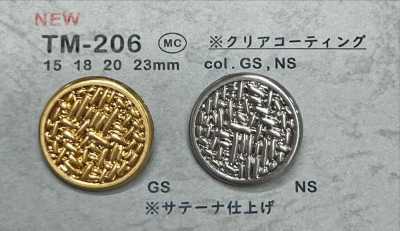
Satin finish is a finishing process in which fine polishing marks are applied mainly to the surface of metal buttons to create a subdued luster that does not reflect as strongly as a mirror finish.
Contents6 sections
Definition and Overview
Satin finish is a surface finishing process that evens out a metal surface with uniform fine polishing marks in one direction to create a soft luster. Compared with a mirror finish, which reflects light clearly, it diffuses reflection and gives a subdued, calm impression.
For buttons, it refers not to the material name or button type, but to the surface treatment that determines the appearance. Even with the same shape and the same metal material, the overall impression of the product changes greatly depending on whether it has a satin finish or a mirror finish.
Materials and Structure
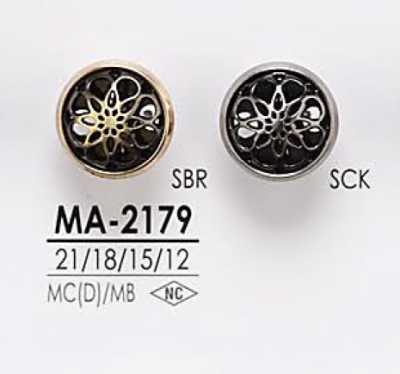
Satin finish is mainly used for metal buttons. The type of metal in the button body, whether it is plated or painted, and the direction and coarseness of polishing all affect the color tone, luster, and how scratches appear.
The shape of the holes or shank is not determined by the satin finish. Since it is used not only for two-hole, four-hole, and cat-eye buttons with surface holes, but also for shank types such as shank buttons, confirm the shape separately from the finish when ordering.
- For surface-hole types, the thread is visible on the surface, so check the thread color and how the area around the holes appears.
- Shank types are easy to attach to thick fabrics and have a structure that makes the polished surface marks easier to show.
- If the polishing marks have a direction, align the direction after sewing or decide according to the specification.
Size and Applications
Button size is generally expressed in lignes or millimeters in diameter. Lignes are a traditional unit of measurement for buttons, and even with the same size indication, the actual size, thickness, and shank height must be checked separately.
Satin-finish metal buttons are used as understated accessories for jackets, suits, coats, blousons, uniforms, and more. Matching the luster with the garment fabric, other hardware, and accessories makes it easier to create a unified overall look.
- For front closures, check the buttonhole size and the maximum button diameter.
- For decorative use such as cuffs or pockets, check the size difference and placement relative to the main body buttons.
- Even with the same diameter, the appearance when fastened changes depending on thickness and shank height.
Attachment and Handling
Surface-hole buttons are secured with thread, and if necessary, the thread is wrapped at the base to create an appropriate gap between the button and the fabric. Shank buttons are attached by passing thread through the shank. For thick or stretchy fabrics, using a backing button and checking the button attachment strength can be effective.
Suitability for washing, dry cleaning, and ironing varies depending on the type of metal, plating, paint, and adhesive areas. It is important to check the product's care label and the button specifications, and to carry out tests with the actual fabric before mass production.
Contact with hard objects or friction may cause scuff marks on the polished surface. Discoloration or corrosion may also occur due to moisture, sweat, detergent components, and other factors, so care should be taken with storage conditions and post-processing conditions as well.
- Do not place the iron directly on the button; use a pressing cloth or avoid the button when pressing.
- When using garment washing or chemical processing, check in advance for changes in the finish, discoloration, or peeling of the coating.
- After washing or dry cleaning, check not only for discoloration but also for surface scratches, looseness in the shank, and button attachment strength.
Differences from Similar Terms
Satin finish is not related to satin fabric or satin weave. Satin fabric is a term that describes the weave structure and luster, whereas satin finish for buttons mainly refers to the polishing condition of a metal surface.
A mirror finish is a finish that smooths the surface to the point where it reflects images clearly. Satin finish, by contrast, suppresses reflection through fine polishing marks. Sandwashed finish may be distinguished as having an even more granular, textured, and non-glossy appearance.
Frequently Asked Questions
Are satin-finish buttons for satin fabric?
No. Satin finish is mainly a name for the surface polishing of metal buttons and does not mean it is only for satin fabric. Compatibility with fabric is determined based on the button's size, weight, shank shape, luster, and washing or cleaning conditions.
How should satin finish and mirror finish be chosen?
If you want a subdued, matte-like metal look, satin finish is suitable; if you want a bright, strong reflection, mirror finish is more suitable. Match it with the luster of the fabric and the finish of other hardware such as zippers and buckles, and confirm with an actual sample.
Can satin-finish metal buttons be washed?
Whether they can be washed depends on the type of metal, plating or paint, and how they are attached. Because it cannot be uniformly stated that they are water-washable, it is necessary to carry out advance testing under the planned conditions for washing, dry cleaning, or garment washing in addition to checking the product's care label.





