Washable
Washable refers to textile or product materials that are made through material selection, construction, and finishing to suppress shrinkage, shape loss, and similar changes after washing so they can be washed in water.
Contents6 sections
Definition and Overview
Washable is not a material name or a weave structure name, but a function/specification indicating suitability for water washing. It is used for natural fibers, synthetic fibers, blended materials, woven fabrics, knits, and more, and is achieved by combining the material’s inherent properties with aftertreatment and product design.
Even if water washing is possible, washing conditions and the expected dimensional stability differ by textile and product. The washable label does not guarantee machine washing, use of a dryer, or resistance to strong detergents.
Features
In general, reducing dimensional changes after washing, felting and fuzzing, wrinkles, and loss of shape is emphasized. For materials using polyester and similar fibers, it may also be listed alongside functions such as dimensional stability, stretch, breathability, and water repellency.
However, washability and hand feel are separate evaluations. Processing and blending may change firmness, resilience, surface texture, and touch, and especially in wool, the fullness and appearance after washing may differ from those of ordinary materials.
Main Applications
It is used for shirts, blouses, pants, skirts, dresses, jackets, uniforms, and other items that need easy care at home. In clothing for hot seasons, ease of washing after sweating is also one factor in material selection.
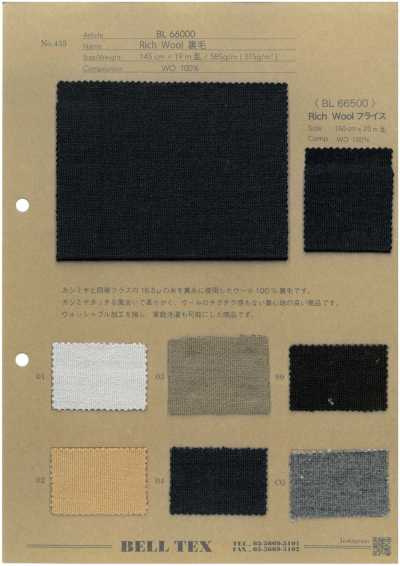
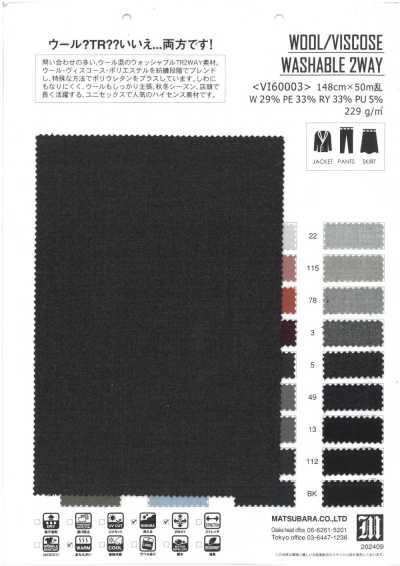
Fabrics that retain a wool-like appearance while being suitable for water washing are also used for sets, jackets, pants, and similar items. When deciding on applications, check not only washability but also fabric weight, stretch, sheerness, and breathability.
Selection and Handling Notes
When selecting a fabric, confirm the washing method, shrinkage rate after washing, color fading and color transfer, wrinkle recovery, and seam puckering through testing or wash samples. It is necessary to ensure that not only the outer fabric but also interlining, lining, sewing thread, buttons, and other trims are suitable for the washing conditions.
Before cutting and sewing, check the grain and stretch direction of the fabric, and if necessary, pre-wash or relax the roll. If differences in shrinkage occur after sewing, they can cause pulling or waviness in the outer fabric, so pay attention to the type of sewing thread, stitch density, and interlining bonding conditions as well.
Care instructions for products sold as finished goods are set based on the test conditions used and the care tag. Specifications such as the use of a laundry net, gentle handling, line drying in the shade, and low-temperature ironing may be required, so it is important not to treat the material label uniformly.
- Check dimensions, appearance, wrinkles, and seams before and after washing.
- For dark-colored items, confirm wash fastness and color transfer.
- Perform washing tests on the product state, including interlining and trims.
- Before mass production, check puckering using samples with different sewing conditions.
Differences from Similar Terms
Anti-shrink processing refers to treatment to suppress shrinkage caused by washing. It can be one element of washability, but suppressing shrinkage alone does not evaluate the appearance or loss of shape after washing.
Easy care is a broader term indicating ease of daily maintenance, such as wrinkle resistance, quick drying, and ease of ironing. It is sometimes used together with washable, but it does not mean suitability for water washing itself.
Frequently Asked Questions
If a fabric is washable, can it be washed in a household washing machine?
Not necessarily. Washable indicates suitability for water washing, but some items are intended for hand washing only, and some require conditions such as a laundry net, gentle handling, or low-temperature washing. Check the product care instructions and test conditions.
How is washable wool different from regular wool?
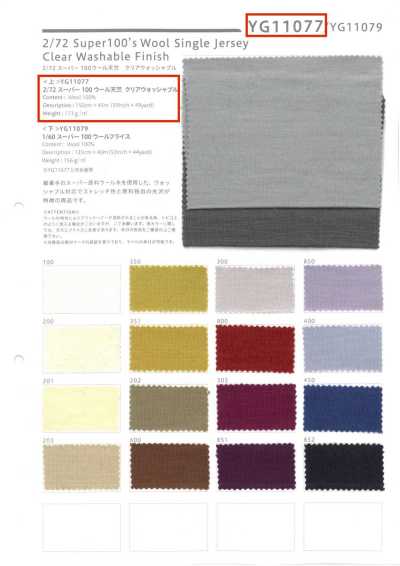
Washable wool is a wool material designed to suppress shrinkage, felting, and loss of shape that are likely to occur with water washing. However, the hand feel after washing, dimensional changes, and suitable washing methods differ by material, and it may still require careful handling similar to ordinary wool.
What should be noted when sewing washable materials?
It is important to check differences in shrinkage among the outer fabric, interlining, sewing thread, and trims after washing. Large differences in shrinkage can lead to seam pulling and puckering. Before mass production, wash the product and check its appearance, including the grain, seam density, and bonding conditions.